





Enhanced Sleep Quality
Consistently incorporating calming herbal teas, like chamomile, into your daily ritual can lead to noticeable improvements in your sleep patterns within
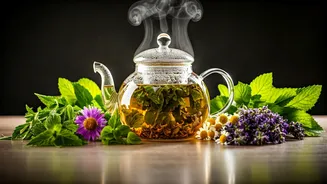
a month. Research indicates that regular chamomile consumption, particularly after two to four weeks, can enhance subjective sleep quality and reduce the frequency of nighttime awakenings. This effect is largely attributed to apigenin, a flavonoid present in chamomile, which interacts with GABA receptors in the brain to promote a sense of relaxation. While not a direct sedative, this sustained intake supports the development of more robust sleep cycles over time, fostering deeper and more restful nights without the grogginess often associated with sleep aids.
Soothing Digestive Aid
Integrating digestive powerhouses like peppermint and ginger into your daily tea intake can significantly alleviate bloating and general abdominal discomfort over a few weeks. The active compound in peppermint, menthol, is scientifically recognized for its ability to relax the smooth muscles of the intestines. This relaxation helps to mitigate spasms that commonly contribute to indigestion and symptoms associated with Irritable Bowel Syndrome (IBS). Furthermore, ginger has demonstrated efficacy in accelerating gastric emptying and diminishing feelings of nausea. A month of consistent consumption of these teas can translate into a notable reduction in digestive upsets and a more comfortable gut experience.
Cardiovascular Benefits Unveiled
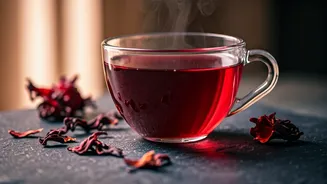
Making hibiscus tea a daily staple can yield considerable benefits for your cardiovascular system within a month. Studies, including a randomized controlled trial, have indicated that consuming approximately three cups of hibiscus tea each day can lead to a reduction in systolic blood pressure among individuals with pre-hypertensive levels, observed after about six weeks. Subsequent meta-analyses have reinforced these findings, showing similar blood pressure-lowering effects, particularly in those with elevated baseline readings. This suggests that the bioactive compounds in hibiscus actively contribute to a healthier circulatory system with regular, consistent intake.
Balanced Stress Response
The regular practice of drinking herbal teas can subtly yet effectively influence your body's response to everyday stressors. Herbs such as chamomile and lemon balm have been shown to help diminish mild anxiety symptoms when consumed regularly over several weeks. These botanicals are believed to influence neurotransmitter pathways associated with stress regulation, including those involving GABA and serotonin. While the effects might be subtle, a consistent month-long commitment to drinking these teas can foster greater emotional stability and establish a calmer baseline, particularly during periods of increased mental exertion or fatigue.
Effective Hydration Boost
A significant advantage of most herbal teas is their natural caffeine-free composition, allowing them to contribute effectively to your daily fluid intake without disrupting your body's fluid balance or stimulating your nervous system. Research confirms that beverages devoid of caffeine hydrate the body just as efficiently as plain water. By incorporating herbal teas into your daily routine for 30 days, you can comfortably meet your hydration needs while avoiding potential sleep disturbances or jitteriness, making them an ideal choice, especially for evening consumption.