




Embrace Festive Cooking
Makar Sankranti is a festival celebrated with immense joy, where people across India mark the transition of the sun into the zodiac sign of Capricorn.
A crucial part of this celebration involves the sharing of delicious, traditional foods. The article provides a selection of simple recipes perfectly suited for the occasion, designed to reduce cooking time and simplify the overall process. This ensures that everyone, regardless of their culinary skills, can partake in the joy and flavors of Makar Sankranti. The recipes are tailored to be accessible and enjoyable for home cooks, promoting a sense of community and shared celebration through food. These recipes are perfect for anyone looking to add a touch of authenticity to their festive meals.
Til Ladoo: Sweet Delight
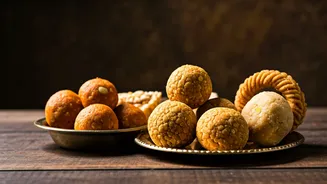
Til ladoo is a quintessential sweet prepared during Makar Sankranti, symbolizing the sweetness of the festival. These ladoos are made with sesame seeds (til), jaggery, and a touch of ghee, offering a delightful combination of textures and flavors. To create this treat, the sesame seeds are dry-roasted until they turn golden and aromatic. Then, the jaggery is melted to the correct consistency, which is crucial for the ladoos to hold their shape. The roasted sesame seeds are then combined with the melted jaggery, and small portions are shaped into round ladoos while still warm. This recipe is simple, requiring minimal ingredients and effort, making it ideal for both seasoned cooks and beginners alike. The sweetness from the jaggery complements the nutty flavor of the sesame seeds, making it a beloved treat during the harvest festival.
Peanut Chikki: Crispy Crunch
Peanut chikki is another popular Makar Sankranti treat, offering a satisfying crunch and a rich nutty taste. This recipe primarily uses peanuts and jaggery, making it a simple yet flavorful treat. The peanuts are dry-roasted to enhance their flavor, and the jaggery is melted over medium heat until it reaches a brittle consistency. Next, the roasted peanuts are quickly mixed into the molten jaggery. This mixture is then spread thinly on a greased surface and allowed to cool and harden. It is then broken into pieces, ready to be enjoyed. The combination of the sweet jaggery and the crunchy peanuts creates a delightful snack. Peanut chikki is a must-have for the festival, bringing a delightful crunch to the celebration.
Undhiyu: Mixed Vegetable
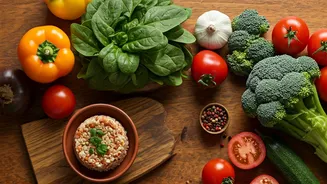
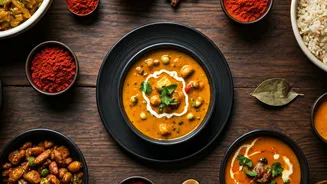
Undhiyu is a traditional Gujarati dish, often prepared during Makar Sankranti, and showcases a mix of seasonal vegetables. This dish can be made in two primary ways: the traditional method involves cooking the vegetables upside down in earthen pots underground, providing a unique smoky flavor; alternatively, it can be cooked on the stovetop or in an oven. The vegetables typically include a mix of root vegetables such as potatoes and sweet potatoes, along with other seasonal greens and beans. The vegetables are seasoned with a blend of spices, herbs, and sometimes, a touch of green masala paste. The dish is known for its complex and balanced flavors, making it a festive highlight. The cooking method and ingredients may vary, but the essence remains: a celebration of seasonal bounty.
Khichdi: Simple Comfort
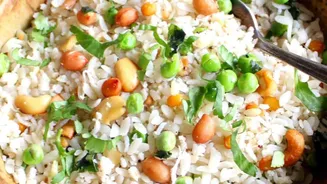
Khichdi, a comforting dish made with rice and lentils, is often enjoyed during Makar Sankranti. This simple yet nutritious meal is easy to prepare, making it a convenient choice amidst the festive preparations. The base ingredients include rice, lentils (typically moong dal), and water, which are cooked together until they soften. Various spices like turmeric, cumin, and asafoetida are added to enhance the flavor. Vegetables like carrots, peas, and cauliflower can also be incorporated to add more nutrients and flavor. The dish is often served with ghee and a side of yogurt, pickles, or papad, enhancing the overall dining experience. Khichdi provides a warming, filling, and balanced meal, making it an ideal choice for the celebrations.
Gajak: Sesame Crunch
Gajak, a crunchy sweet, is a popular treat during Makar Sankranti, and is made primarily from sesame seeds and jaggery. To prepare gajak, sesame seeds are first dry-roasted until they are lightly golden and aromatic. The jaggery is then melted carefully, and is heated to a certain consistency that ensures the final product's crunchiness. The roasted sesame seeds are combined with the molten jaggery. Once the mixture cools, it is spread thinly on a greased surface. It is then cut into small, bite-sized pieces once it cools and hardens. Gajak's simplicity makes it easy to create at home, and its combination of textures and flavors makes it a delightful treat for the festival. It offers a satisfying crunch and the sweetness of jaggery, making it a favorite during this festive period.