
What is Ragi?
Ragi, also known as finger millet, is a powerhouse of nutrients, and forms the basis of Ragi Roti. This grain is cultivated extensively in India, especially
in the southern regions. What makes ragi stand out is its rich mineral content, particularly calcium, making it an excellent choice for strong bones and teeth. It is also a good source of fiber, assisting in digestion and promoting a feeling of fullness. Moreover, ragi is gluten-free, which makes it a great alternative for those with gluten sensitivities. The complex carbohydrates present in ragi ensure a gradual release of energy, which prevents sudden blood sugar spikes, making it suitable for people with diabetes. Its high iron content is beneficial in preventing anemia and boosting energy levels. Ragi's adaptability to various climatic conditions makes it a sustainable crop, supporting local agriculture and offering a nutritional advantage for health-conscious consumers.
Ragi's Health Benefits
Incorporating Ragi Roti into your diet is a smart move for overall health. The high fiber content in ragi helps in managing weight by keeping you feeling full for longer, thus reducing overall calorie intake. It also helps control blood sugar levels, making it a good food for individuals with diabetes. The calcium content in ragi contributes to bone health, which is crucial for preventing osteoporosis. Furthermore, ragi helps improve digestion and prevents constipation due to its high fiber content. The iron in ragi helps combat anemia and supports healthy blood function. Regular consumption of Ragi Roti can contribute to lower cholesterol levels and improved heart health. The various vitamins and minerals in ragi also enhance the immune system, making your body more resilient to infections. Ragi offers a wide range of benefits for overall wellness, making it a valuable part of a balanced diet.
Making Ragi Roti
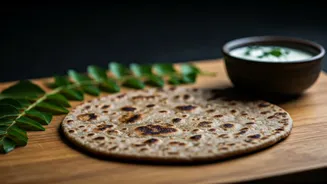
Preparing Ragi Roti is easier than you think, and can be customized with various ingredients. Start by taking ragi flour and mixing it with a little warm water to form a soft dough. You can also add salt to taste. Some people like to include grated vegetables like carrots or spinach for added nutrients and flavor. Knead the dough well, and allow it to rest for about 15-20 minutes. Next, divide the dough into equal-sized portions and shape them into small balls. On a lightly floured surface, roll out each ball into a thin circle using a rolling pin. Heat a flat griddle or tava on medium heat, and place the roti on it. Cook each side for about a minute or two, flipping it until it turns golden brown and slightly puffed up. You can add a little ghee or oil while cooking for taste, although it's fine without too. Serve hot with your favorite curries, vegetables, or chutneys for a delicious and nutritious meal.
Serving Suggestions
Ragi Roti is incredibly versatile and can be enjoyed in numerous ways. Pair it with a variety of vegetable curries, like mixed vegetable curry, palak paneer, or aloo gobi for a balanced meal. It goes well with lentil-based dishes, such as dal makhani or dal tadka, providing a combination of proteins and carbohydrates. You can also have it with a simple yogurt dip or raita, adding some cooling effect and enhancing the flavors. For a lighter meal, consider having Ragi Roti with a side of fresh salads and chutneys. It can also be a great addition to your breakfast, with a side of eggs or a cup of herbal tea. For those looking for a quick meal, the roti can be packed in lunch boxes and is suitable for all ages. Enjoy your Ragi Roti in any way you prefer, and savor the nutritional benefits and the delicious flavor!