








RRTS: A Catalyst
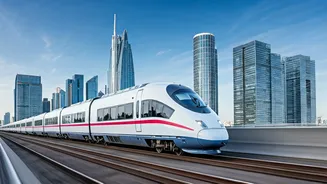
The Regional Rapid Transit System (RRTS) is not just a transportation upgrade; it's a catalyst for significant changes across India. This system aims to
overhaul urban mobility, connecting regions, and supporting economic expansion. By providing fast, reliable, and efficient transport options, the RRTS strives to ease traffic congestion and reduce travel times. This enhancement in transport infrastructure is projected to bolster commercial activities, facilitate job creation, and improve the overall quality of life for residents in the areas it serves. The RRTS's impact goes beyond the practical benefits of commuting; it also has the potential to reshape urban planning and development. The project's emphasis on sustainability and modern design aligns with global efforts to create livable and efficient cities. The government's investment in the RRTS underscores its commitment to modernizing the nation's infrastructure and fostering long-term economic growth. This visionary project plays a crucial role in supporting India's ambition for inclusive and sustainable urban development.
Boosting Urban Mobility
One of the primary advantages of the RRTS is its ability to transform urban mobility. The high-speed trains are designed to reduce commute times significantly, providing commuters with a more efficient and comfortable travel experience. By linking major cities and towns, the RRTS reduces the strain on existing transport networks, especially during peak hours. This enhancement in connectivity is particularly crucial for commuters traveling for business, employment, or personal purposes, promoting smoother movement and less time wasted on travel. Besides the efficiency gains, the RRTS is also expected to contribute to decongesting urban areas, making cities more livable and less polluted. This system promotes sustainability by encouraging public transport use. The introduction of the RRTS has the potential to boost tourism and attract investments, promoting further growth. The development of integrated transport hubs at RRTS stations simplifies the transition between various modes of transport, promoting seamless travel. These modern, efficient, and well-connected transport systems play a crucial role in enabling urban progress.
Driving Economic Growth
Beyond its immediate transport benefits, the RRTS is set to become a vital driver of economic growth across multiple sectors. The project's development creates numerous job opportunities in construction, manufacturing, and operations, encouraging economic activity across the regions. Moreover, the enhanced connectivity encourages trade and business, linking markets and boosting economic activity. Businesses can tap into larger markets, and supply chains become more efficient. The RRTS boosts real estate values around its stations, encouraging development and investment. The project promotes regional integration, which fosters economic synergies and reduces imbalances. It also offers potential to spur growth in the tourism sector, as people can access various destinations quickly. As more people use the RRTS, related industries such as retail, hospitality, and entertainment will also benefit, spurring a cycle of economic growth. The RRTS is poised to contribute to India's overall economic expansion and prosperity by stimulating investment and trade.
Challenges and Innovations
Despite its many benefits, the RRTS faces several challenges. These encompass land acquisition, cost overruns, and logistical complexities in project implementation. Managing complex projects in congested urban environments requires innovative strategies and meticulous planning. Addressing safety concerns and security protocols along the rail routes is also critical. Utilizing advanced technologies such as automated train control systems, real-time passenger information, and integrated ticketing solutions are essential to ensure the RRTS's efficiency and user-friendliness. Focusing on sustainable practices is crucial. This includes using energy-efficient trains, promoting green infrastructure around stations, and implementing waste management systems. The RRTS is meant to evolve with technological advancements, ensuring that it remains at the forefront of urban transport innovation and meets the changing needs of the public.