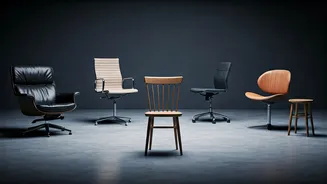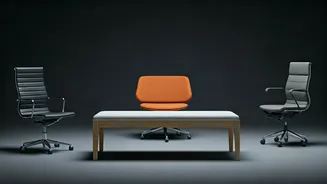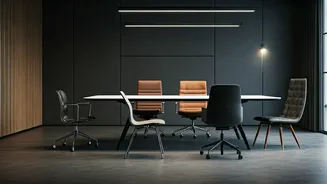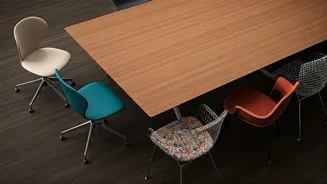





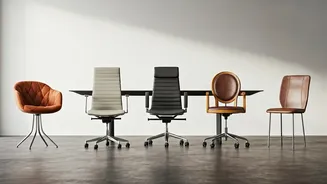

The Instinctive Seat
Before any meeting even begins, a subconscious decision is made the moment you choose where to sit. This isn't about comfort or convenience; it's a subtle
indicator of your underlying disposition and how you approach social and professional interactions. Your selection often reflects your natural inclination towards engagement, observation, or leadership. The chair you gravitate towards, whether consciously or not, acts as a silent announcement of your personality blueprint, offering insights into your comfort zone and your preferred role within a group dynamic. Understanding these inclinations can shed light on how you present yourself and interact with colleagues, particularly in the focused environment of a meeting where various personalities converge and collaborate. It’s a fascinating peek into the unspoken language of our seating choices, providing clues to our inherent nature and our typical behavior patterns when interacting with others in a professional context, helping us understand ourselves and those around us better.
The Supportive Partner
Selecting Chair 1 signifies a desire to be an active contributor and a reliable supporter within a group. You are drawn to proximity to leadership and key decision-makers, not out of subservience, but from a place of wanting to be strategically aligned and impactful. You see yourself as an essential part of the team, ready to execute plans and offer steady assistance, especially when challenges arise. Your approach is grounded in a respect for structure, yet you remain unfazed by its presence, confident in your ability to maintain momentum and offer practical solutions. This position reflects an individual who is engaged, understands the importance of hierarchy, and is proactive in ensuring the smooth operation of the group's objectives, embodying a 'first mate' mentality where efficacy and direct involvement are paramount to success.
The Diplomatic Observer
Opting for Chair 2 suggests a preference for being well-informed and observant without necessarily being at the forefront of attention. You possess a diplomatic nature, skilled at gauging the room's atmosphere and understanding underlying intentions. By positioning yourself near the center of authority, you can effectively absorb information and perceive subtle cues, yet you maintain a degree of personal space, allowing you to process before fully engaging. This approach highlights a value for maintaining harmony and a tendency to wait for situations to stabilize before interjecting. It indicates a thoughtful participant who prioritizes understanding the full context and fostering a balanced environment before contributing their perspective, demonstrating a nuanced approach to group dynamics and communication.
The Deliberate Thinker
Choosing Chair 3 points to a personality characterized by deep introspection and careful consideration. You are not one to fill conversational voids, often finding that discussions proceed too rapidly. Your method involves observing and analyzing the flow of conversation, meticulously weighing different viewpoints before speaking. This patient approach often leads to contributions that highlight overlooked details or offer unique solutions. Your strength lies in your restraint, enabling you to manage tense situations by maintaining an unhurried pace, unaffected by the urgency around you. This reserved yet impactful style ensures that when you do speak, your input is well-considered and valuable, showcasing a profound capacity for critical thought and strategic silence.
The Analytical Questioner
Sitting in Chair 4 indicates an engaged yet discerning participant, someone who critically evaluates information rather than passively accepting it. You possess an analytical mindset, constantly scrutinizing ideas for potential flaws or alternative interpretations. Unlike others who might agree to maintain conciliation, your focus is on uncovering the truth, even if it means presenting a dissenting opinion. You are comfortable being the voice of skepticism because you understand that such scrutiny often leads to more robust and well-founded outcomes. This position reflects a commitment to intellectual honesty and a belief in the value of constructive challenges to improve the collective decision-making process, prioritizing accuracy and rigorous examination.
The Bold Debater
Selecting Chair 5, directly facing authority, signifies a high degree of self-assurance and a straightforward communication style. You readily express your opinions without hesitation or embellishment, and you tend to engage more intensely when faced with disagreement, rather than withdrawing. You appreciate robust debate and hold a mutual respect for individuals who, like yourself, are not afraid to voice their perspectives openly and honestly. This chair choice embodies a confident, direct, and confrontational approach to discourse, valuing clear expression and the vigorous exchange of ideas as essential components of productive interaction and mutual understanding within a group setting.
The Perceptive Outsider
Gravitating towards the edge of the table, as with Chair 6, suggests you are a keen observer who absorbs information through watching and analyzing body language. Although you may remain quiet, your internal processing is highly active and insightful. When you finally contribute, your perspective often stems from observations that others have missed, highlighting your ability to find strength and clarity from the periphery. You process information thoroughly before stepping into the spotlight, utilizing your position on the margins to gain a comprehensive understanding of the dynamics at play before offering your unique insights.
The Strategic Contributor
Choosing Chair 7 indicates a mindful approach to conserving mental energy and avoiding the unnecessary drama or superficial exchanges common in meetings. You remain attentive and present but are selective about when to actively participate. This strategic positioning allows you to act decisively at opportune moments, much like a strategist planning their moves. By choosing not to comment on every item, you preserve your focus and prevent burnout, ensuring that your contributions are impactful and well-timed, demonstrating an ability to manage pressure effectively by engaging only when it's most crucial.
The Empathetic Unifier
Selecting Chair 8 highlights your role as the emotional cornerstone of the group, possessing a natural attunement to the feelings of others. Your presence contributes to softening formal or tense atmospheres, fostering a more approachable environment. You often use subtle gestures, like a reassuring smile or lighthearted conversation, to encourage comfort and openness among colleagues. This position signifies an individual who prioritizes emotional intelligence and actively works to create a welcoming and inclusive dynamic within the team, serving as a vital source of social connection and emotional support.
The Dedicated Follower
Choosing Chair 9 suggests a strong inclination towards seeking guidance and clear direction, preferring physical proximity to leadership for a sense of security and support. You are a committed team member who draws confidence and alignment from being close to the authority figure, effectively operating within the 'inner circle.' This position reflects a desire for structure and a reliance on established leadership to navigate tasks and objectives, finding assurance and clarity through direct association with the core command.