








The Gut-Brain Communication Highway
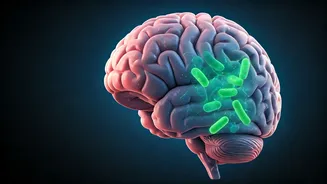
The intricate interplay between our digestive system and our brain is facilitated by a sophisticated communication network known as the gut-brain axis.
This dynamic bidirectional pathway involves continuous messaging through nerves, hormones, and immune system signals, allowing these two vital organs to profoundly influence each other. A well-functioning gut plays a crucial role in orchestrating the release of vital brain chemicals that govern our mood, ability to concentrate, and overall mental state. Essentially, the health of our gut acts as a foundational element for optimal brain performance and emotional resilience. This constant dialogue ensures that signals from the gut can impact brain activity, and vice versa, highlighting a deep and inseparable bond.
Vagus Nerve: The Direct Link
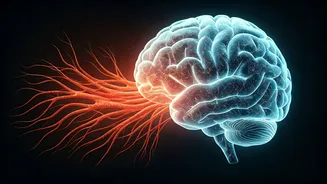
Central to the gut-brain axis is the vagus nerve, a significant cranial nerve that acts as a primary conduit for information exchange between the digestive tract and the brain. This nerve acts like a superhighway, rapidly transmitting signals in both directions. When the gut microbiome is in a state of equilibrium, it contributes significantly to improved cognitive functions and greater emotional stability. Furthermore, the gut is a powerhouse for producing neurotransmitters, the critical chemical messengers that direct brain activity. A remarkable array of these neurotransmitters, including serotonin, which is integral to mood regulation and the perception of happiness, are synthesized within the gut. Thus, a balanced gut environment is essential for manufacturing these mood-influencing chemicals.
Gut Imbalance and Mental State
Our digestive system harbors trillions of microorganisms, collectively termed the gut microbiome, which form a complex ecosystem. When the delicate balance within this microbiome is disrupted—a condition often referred to as dysbiosis—it can have tangible effects on our mental well-being. Experts indicate that such imbalances can adversely impact emotional health and cognitive functions, including memory recall and the capacity for sustained focus. Emerging research has also pointed towards a potential correlation between disruptions in the gut microbiome and the manifestation of mental health conditions such as anxiety and depression. While these conditions are multifactorial and influenced by numerous other elements, the state of our gut appears to be a significant contributing factor that warrants attention.
The Gut as a 'Second Brain'
The digestive system frequently earns the moniker 'second brain,' and this designation is rooted in solid scientific understanding. The reason behind this informal title lies in the presence of an extensive and complex network of nerve cells embedded within the gut, known as the enteric nervous system. This intricate neural network is responsible for independently managing a vast array of digestive processes, from nutrient absorption to the movement of food through the tract. Crucially, it maintains a continuous and robust line of communication with the central brain. This enteric nervous system comprises millions of nerve cells that not only regulate digestion but also play a role in the timely release of hormones and can even influence specific brain signals, further solidifying its 'brain-like' status.
Nurturing Gut Health for Brain Benefits
While enhancing gut health alone may not be a panacea for curing mental health conditions, it undeniably plays a pivotal supportive role in promoting overall well-being. By adopting healthier dietary patterns and lifestyle habits, individuals can positively influence both the health of their gut and the optimal functioning of their brain. A balanced gut microbiome is instrumental in supporting efficient digestion, mitigating inflammatory responses throughout the body, and facilitating the regulation of crucial brain chemicals associated with mood and cognitive performance. Simple yet effective lifestyle adjustments can significantly bolster this vital gut-brain connection. Recommendations include incorporating ample fibre-rich foods, an abundance of fruits and vegetables, and probiotic-rich items into one's diet, coupled with consistent physical activity, adequate sleep, and robust stress management techniques. Prioritizing gut health is thus a key strategy for enhancing overall bodily and mental vitality.