


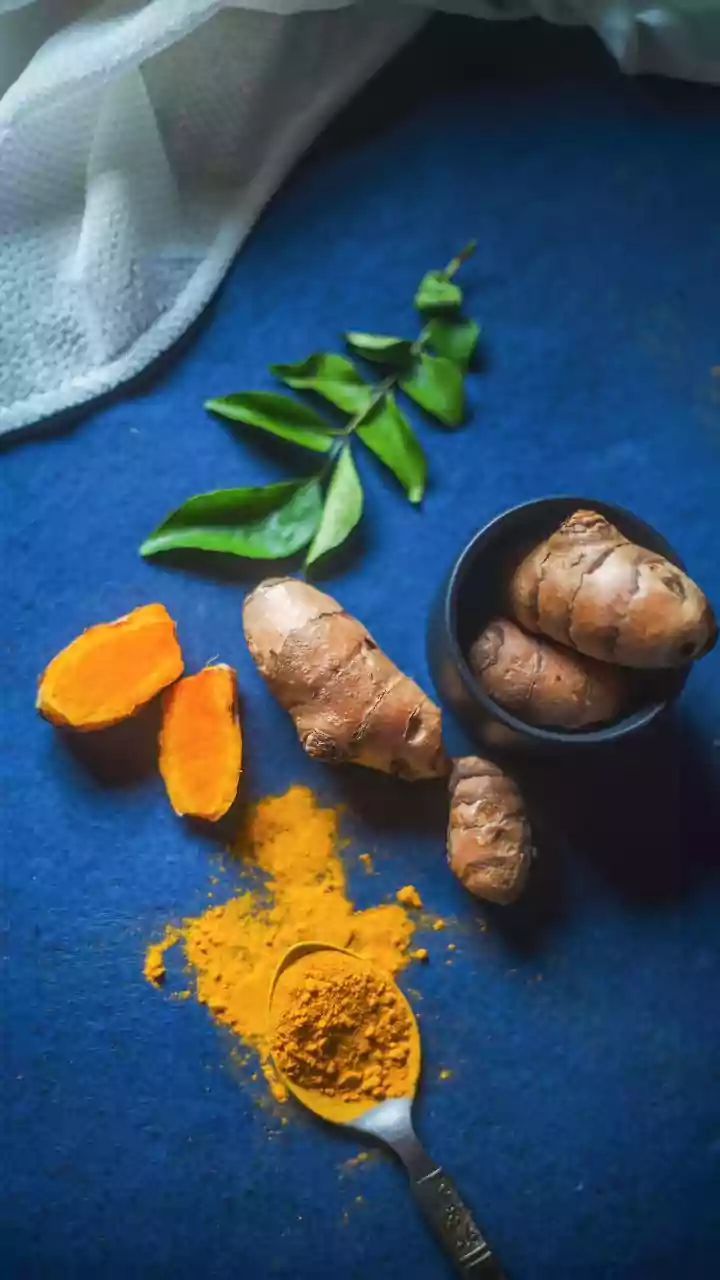
A Land of Spices
India's culinary landscape is a reflection of its vast geography and rich history. Each region boasts its own unique flavor profile, often shaped by local
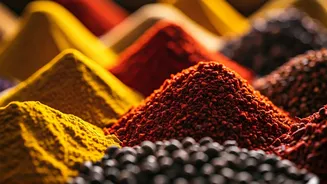
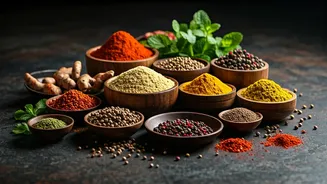
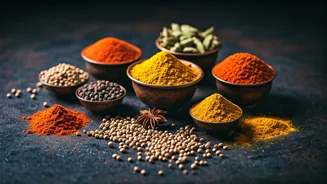
ingredients and cooking traditions. The use of spices is central to Indian cooking, with blends varying from state to state. Turmeric, cumin, coriander, and chili peppers are common, lending both flavor and color to dishes. The integration of spices is not just about taste; they also offer health benefits and play a vital role in preserving food. The diversity of spices means that a single Indian meal can offer a complex tapestry of tastes and aromas, creating a memorable dining experience. Moreover, the historical influence of trade routes has further enriched the spice palette, introducing ingredients from distant lands and integrating them seamlessly into local dishes.
Regional Culinary Delights
Indian cuisine is far from monolithic; it’s a mosaic of flavors, where each region has its own distinctive culinary practices. North Indian cuisine often features rich, creamy curries, flatbreads like naan and roti, and the liberal use of dairy products. Delhi's street food, with its chaats and kebabs, is legendary. South India, in contrast, showcases dishes dominated by rice, lentils, and coconut. The use of tamarind, curry leaves, and a variety of seafood adds distinct regional flair. The coastal states offer flavorful fish curries and seafood delicacies. Western India, with states like Maharashtra and Gujarat, boasts a mix of vegetarian and non-vegetarian dishes, each with a unique preparation style. Lastly, the East Indian states, like Bengal, are known for their sweet and savory dishes, often featuring fish and rice, alongside subtle spice blends.
Key Cooking Techniques
Indian cooking uses a variety of techniques passed down through generations. Tandoor cooking, originating from the North, involves grilling meats and bread in a clay oven (tandoor), imparting a smoky flavor. Tempering, a crucial step in many dishes, involves heating oil or ghee with spices to release their flavors before adding them to the main ingredients. The use of slow cooking is also important; this process allows flavors to meld and develop over time, resulting in rich and complex dishes. Frying, both deep-frying and shallow-frying, is a very common technique, as seen in many snacks and sweets. Moreover, the art of blending spices is integral, and chefs often grind and blend their own spice mixtures to achieve unique flavor combinations. The combination of these techniques, from the subtle to the bold, is what makes Indian food so versatile and loved worldwide.
Iconic Indian Dishes
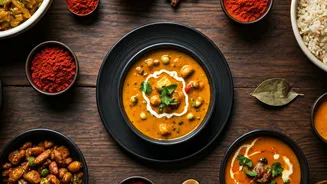
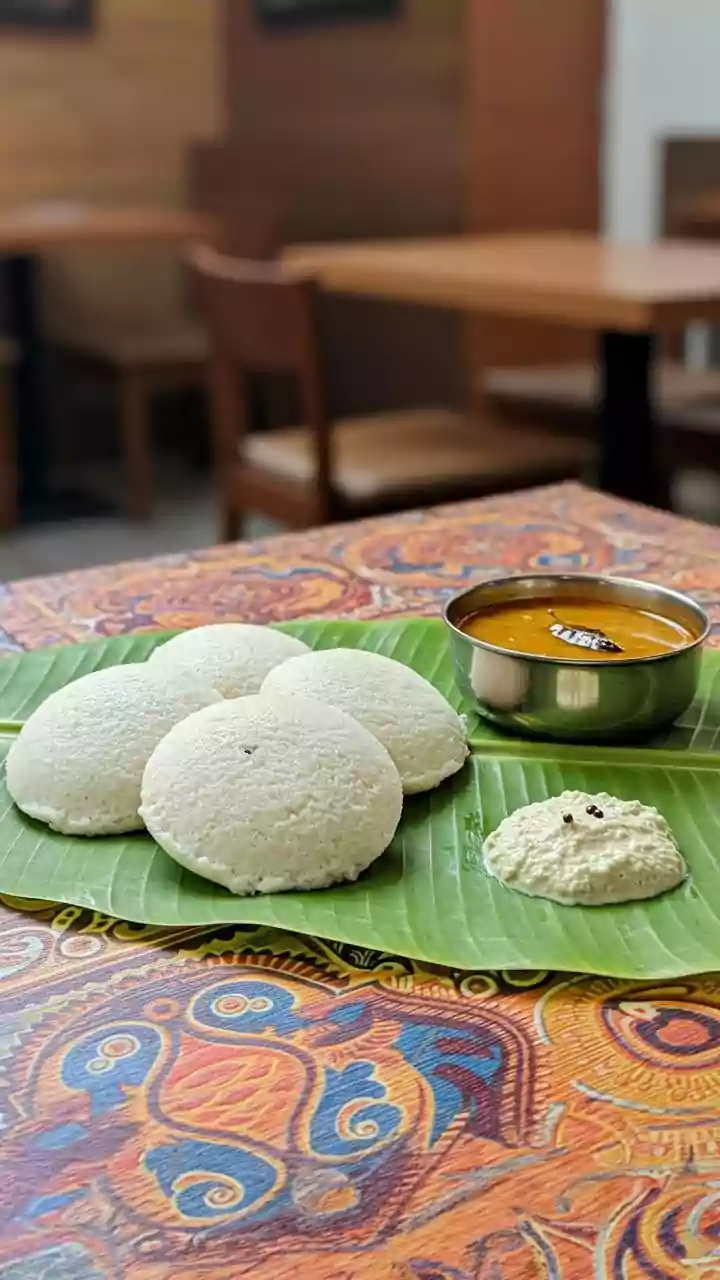
India's culinary legacy includes many iconic dishes, each with its own story and cultural importance. Butter Chicken, a rich tomato-based curry with tender pieces of chicken, is a popular choice and is considered a staple of North Indian cuisine. Biryani, a flavorful rice dish often made with meat or vegetables, represents the influence of Mughal cuisine. Dosas and Idlis, South Indian rice pancakes and steamed cakes, are breakfast favorites, enjoyed with chutneys and sambar. Samosas, the crispy fried or baked pastries filled with spiced potatoes, are a popular snack across the country. Sweets also form an essential part of Indian cuisine, and include Gulab Jamun (fried milk balls), Jalebi (syrup-soaked spirals), and various regional delicacies, illustrating the country’s wide-ranging culinary heritage.
The Culture of Food
Food in India transcends mere sustenance, playing a central role in social and cultural traditions. Meals are often social events, bringing families and communities together. Festivals and celebrations are incomplete without elaborate feasts and special dishes. Cooking methods and ingredients are often influenced by religious beliefs and traditions, leading to the evolution of vegetarian and non-vegetarian cuisines. The concept of 'Atithi Devo Bhava' (guest is equivalent to God) is deeply rooted in Indian culture, ensuring that guests are always offered the best food and hospitality. The food culture in India is a dynamic system. Dishes and food preparation are continually adapting, embracing modern influences without compromising traditional values. These core aspects enrich the overall experience and reflect the essence of India’s unique culinary practices.