





Walking is Movement
Experts clarify that while walking is a beneficial form of movement, it's not a complete workout. It supports circulation, mood, and basic activity, but
it doesn't sufficiently challenge the body for significant muscle growth or enhanced athletic performance. The principle of 'use it or lose it' applies; however, the body adapts to repetitive motions. For those new to exercise, recovering from illness, or managing stress, walking acts as an excellent reintroduction to physical activity. Yet, to progress beyond this initial stage, the body typically requires more diverse stimuli to stimulate adaptation and improvement.
When Walking Suffices
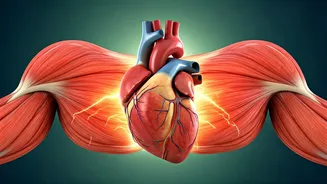
For certain individuals, walking can indeed be the primary form of exercise. This is particularly true for beginners, older adults, or those re-engaging with physical activity after a hiatus. Brisk walking at a moderate intensity, performed consistently over sufficient weekly durations, can meet the aerobic activity guidelines. It aids in maintaining cardiovascular health, improving circulation, assisting with weight management, and reducing stress. Additionally, it can contribute to building stamina and establishing a daily movement habit. The key conditions for achieving these benefits involve maintaining a proper pace, ensuring consistency, and aiming for gradual progression in duration or intensity.
Walking Intensity Matters
Not all walking yields the same fitness results; intention and intensity are crucial. A casual stroll is vastly different from a purposeful, brisk walk. Experts generally advise walking at a pace where you can talk but not sing comfortably, indicating a moderate intensity level, often around 5 km per hour, though this varies. Aiming for 150 to 300 minutes of moderate-intensity walking weekly is recommended. Utilizing tools to track steps, pace, or heart rate can help monitor progress and prevent plateaus. Maintaining an upright posture with relaxed shoulders and a natural arm swing also enhances the effectiveness of the walk. Incorporating inclines, stairs, or varied terrain can further challenge the body and prevent quick adaptation.
Where Walking Falls Short
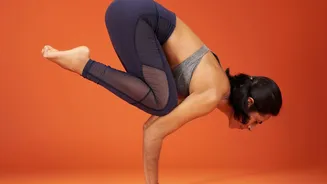
Walking alone is insufficient for building significant muscle mass, strength, or optimizing bone density for long-term resilience. It should not be considered a replacement for dedicated strength training or other weight-bearing exercises. As we age, muscle loss accelerates, and without resistance training, both strength and metabolic rate naturally decline. For visible muscle tone, stronger bones, improved posture, and sustained mobility, incorporating strength training two to four times per week is consistently advised. Walking helps maintain health, but it doesn't significantly enhance athletic performance or fully strengthen bones to the degree that resistance exercises can.
Optimal Walking Duration
The ideal duration for walking isn't a single magic number, and the cumulative effect of movement throughout the day is often more significant than one extended, intense session. Spreading walking into shorter bouts, even five to ten minutes each, can accumulate meaningful activity and offer benefits like improved blood sugar control, especially after meals. For older adults, shorter, more frequent walks might be more sustainable. If longer walks are enjoyable, an hour can be beneficial, provided they are complemented by strength training. Ultimately, consistent daily activity is more impactful than sporadic, prolonged exercise sessions.
Walking: Dos and Don'ts
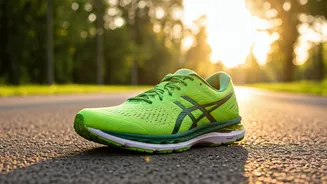
To maximize the benefits of walking, adhere to simple guidelines. Always warm up with a slower pace for five minutes and wear supportive footwear. Maintain an upright posture with relaxed shoulders and gradually increase your pace, distance, or incline over time. Aim for at least 150 minutes of brisk walking per week. Conversely, avoid slouching or constantly looking down, overstriding which can strain joints, and ignoring persistent pain. Never abruptly double your step count or rely solely on step numbers without considering intensity. Importantly, do not use walking as your only strategy for fat loss or muscle building, as it has limitations in these areas. Remember that not every walk needs to be intense, but if fitness is a primary goal, some walks should be brisk rather than casual.