
Initial Considerations
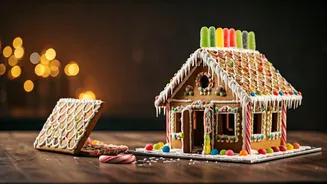
The primary factors in determining whether a gingerbread house is safe to eat revolve around its ingredients and how it was constructed. A crucial aspect
involves the type of icing used to hold the structure together and the decorations that adorn it. Often, gingerbread houses contain ingredients that are not meant for immediate consumption or are susceptible to spoilage. Understanding the materials utilized and any potential hazards associated with them is the first step in assessing its edibility. Furthermore, the environment where the house is kept plays a significant role in determining how long the structure remains safe for consumption.
The Ingredients Matter
The composition of a gingerbread house greatly impacts its safety. The gingerbread itself, typically made from flour, sugar, butter, and spices, is generally safe to eat. However, the icing is a critical concern. Royal icing, made from egg whites and powdered sugar, can harbor bacteria if not handled correctly or if eggs are not pasteurized. Certain decorations, such as nonpareils and candies, might contain artificial colors or preservatives. These ingredients are usually safe in small quantities but may cause issues if consumed in large amounts. The presence of inedible decorations or structural components like toothpicks further complicates its edibility. Always check the ingredients and their storage and handling.
Storage and Shelf Life
The storage conditions significantly influence the gingerbread house's edibility. A gingerbread house left at room temperature is more prone to spoilage due to bacterial growth, especially if royal icing is used. The shelf life can be extended by storing the house in a cool, dry place. Using airtight containers can also help maintain freshness and prevent contamination. Humidity can soften the gingerbread and icing, making it less appealing and potentially promoting mold growth. Generally, a gingerbread house, especially one with perishable decorations, is best consumed within a few days or weeks if stored properly. Checking for any signs of mold, off-odors, or changes in texture is crucial before consuming it.
Expert Insights and Advice
Experts often advise caution when considering eating a gingerbread house. They emphasize that while some parts might be safe, the risk of consuming something unsafe increases with time and improper storage. They suggest that homemade gingerbread houses have different safety profiles than commercially produced ones. Commercially made houses usually use preservatives and have controlled production environments. Consulting with food safety experts can provide detailed information about specific ingredients and their safe handling practices. They suggest if you are unsure about the ingredients or the handling process, it is best to err on the side of caution and avoid eating the gingerbread house. Prioritize safety by scrutinizing ingredients and storage methods, and when in doubt, it is best to admire the house rather than consume it.
When It's Okay?
In some scenarios, eating a gingerbread house might be safe. If the house is freshly made with safe, non-perishable ingredients, consumed shortly after construction, and stored properly, the risk is minimal. Using all-edible decorations and food-safe adhesives, like melted sugar, further enhances safety. If the gingerbread house is kept in a cool and dry environment, away from moisture and direct sunlight, the likelihood of bacterial growth is reduced. If the gingerbread is hard and crunchy, and the icing seems hardened, this could be a safe sign. Also, carefully check all the ingredients before consuming. The best practice, however, remains to weigh up all the factors before taking a bite.
When to Avoid
It is essential to avoid eating a gingerbread house under certain circumstances. If the house contains perishable ingredients like fresh eggs in the icing that were not adequately pasteurized, consumption is risky. If the house has been exposed to high humidity or is stored in a warm environment, the risk of mold growth increases. If the house has been sitting out for an extended period, particularly at room temperature, it's best to avoid eating it. When any sign of spoilage, such as mold or an off-odor, is detected, discarding the house immediately is necessary. Prioritizing safety over a treat is critical in such instances to prevent potential health issues.