




Hidden Calorie Culprits
Many individuals striving for weight loss often adhere to what they believe are clean eating principles, yet find themselves stuck at a plateau. Fitness
content creator and coach Kev Heintz highlights that the distinction between choices perceived as healthy and those conducive to weight loss often lies in the subtle, yet significant, caloric contributions of everyday foods. Heints' recent advice, shared on X, underscores a crucial point: the designation of a food as 'healthy' does not automatically equate to it being beneficial for shedding weight. His insights aim to illuminate how popular items, despite their wholesome reputation, can contribute to weight gain due to their inherent caloric density. This approach encourages a deeper look beyond the 'health halo' of certain foods, focusing instead on their actual impact on calorie expenditure and intake. By understanding these hidden caloric values, individuals can begin to re-evaluate their dietary habits and make more informed decisions that align with their weight loss objectives, moving from a general sense of healthy eating to a targeted strategy for fat reduction.
Breakfast Bowl Bombshells
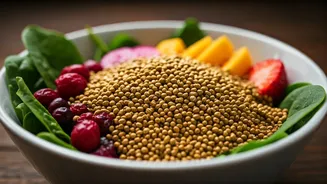
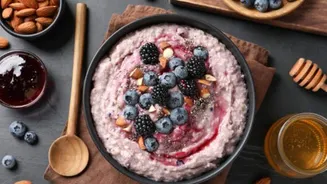
The morning meal is often a prime area where seemingly nutritious choices can pack an unexpected caloric punch. Heintz points to granola as a classic example, noting that a single cup can contain a substantial 600 calories. This is significantly higher than a more modest serving of oats, which typically amounts to around 300 calories for a comparable volume. Another popular breakfast item, the acai bowl, often lauded for its vibrant fruit and supposed health benefits, can also be a calorie heavyweight. Heintz estimates a standard acai bowl can reach up to 700 calories. In contrast, a simple bowl of Greek yogurt topped with berries offers a much lighter alternative, usually clocking in at about 200 calories. These comparisons emphasize that while fruits and whole grains are beneficial, their preparation and the accompanying ingredients can drastically alter the final caloric count. Prioritizing options like Greek yogurt and oats allows for greater portion sizes and sustained satiety with a considerably lower calorie investment, making them more suitable for those focused on weight reduction.
Salads and Snack Sabotage
Beyond breakfast, the midday meal and snacking habits can also fall prey to hidden calorie traps. Salads, often perceived as the epitome of healthy lunches, can quickly transform into calorie-dense meals depending on their accompaniments. Heintz warns that a typical salad featuring creamy dressings like ranch, along with croutons, can easily escalate to 650 calories. However, a strategic adjustment can dramatically reduce this number: opting for the 'same salad' but requesting the dressing on the side brings the potential calorie count down to a much more manageable 250 calories. This simple request allows for control over the amount of dressing used, significantly impacting the overall intake. Shifting focus to snacks, Heintz identifies trail mix as another item that, despite its wholesome ingredients like nuts and dried fruits, can be remarkably high in calories. A cup of trail mix can contain as much as 700 calories. As a significantly lighter alternative, he suggests beef jerky, which offers a satisfying chew and protein boost for approximately 160 calories per serving. These examples illustrate the importance of scrutinizing toppings and portion sizes for both meals and snacks to effectively manage calorie consumption.