


The Water Immersion Test
A straightforward method to detect potential artificial coatings or dyes involves a simple water test. Submerge your fruits and vegetables in water for a short
duration. If the water discolors or forms a noticeable oily film on the surface, it's a strong indicator that the produce might have been treated with artificial substances. For items like watermelons, a more specific approach involves placing a small chunk of the fruit's flesh into a glass of water. Observe closely; if the water rapidly turns pink or red, it's advisable to exercise caution before consuming, as this could signal the presence of added colorants.
Cotton Ball Rub Trick
For vibrant, potentially artificially colored items like watermelons, try a quick rub test. Gently rub the deep red flesh of the watermelon with a plain white cotton ball or a piece of tissue paper. If the cotton or tissue immediately turns a vivid pink or bright red, it suggests that artificial coloring agents, such as Rhodamine B or Erythrosine, have been used. Naturally colored fruits, on the other hand, will leave little to no discernible stain on the material, indicating their authenticity.
Sensory Evaluation Guide
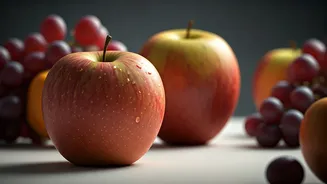
Pay close attention to the sensory cues your produce offers. Fruits that have undergone artificial ripening often lack the characteristic natural fragrance, sometimes emitting a faint chemical odor instead. Visually, they might appear uniformly colored, excessively shiny, or even show subtle signs of injection marks or splits. Steer clear of fruits that feel unusually hard despite their bright, appealing color, or those with a powdery residue on their skin. These characteristics can point to unnatural treatments rather than natural maturation.
Thorough Cleaning Practices
Adopting robust cleaning habits is crucial for minimizing exposure to surface chemicals. Instead of just wiping produce dry, experts recommend washing all fruits and vegetables thoroughly under a stream of running water. To further reduce potential pesticide residues, try soaking your produce for a few minutes in a solution of salt water or baking soda. For certain fruits and vegetables, peeling the skin is also an effective way to lower the intake of waxes or other chemicals often applied to preserve them during transit and storage.