

Fruits for Iron
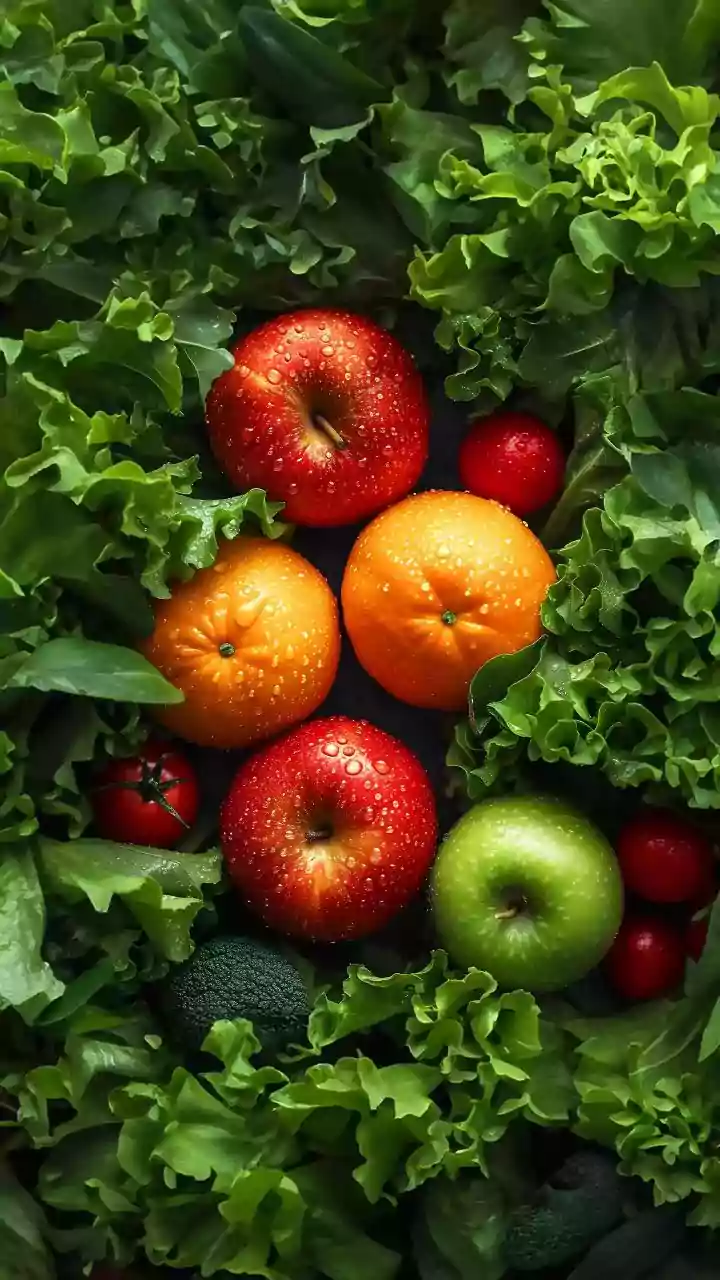
Fruits, often underestimated, are a powerhouse of nutrients, contributing significantly to your overall health. Rujuta Diwekar strongly advocates for daily
consumption of fresh, seasonal fruits. During warmer months, she highlights the exceptional benefits of mangoes, which are naturally abundant in Vitamin C. This essential vitamin plays a crucial role in enhancing the body's ability to absorb iron. Beyond mangoes, other excellent choices for a Vitamin C boost include guava, pear, and cashew fruit. By ensuring an adequate intake of Vitamin C, your body becomes more efficient at assimilating iron, which in turn helps maintain healthy haemoglobin levels and combats deficiencies like anaemia.
Legumes and Pulses
A diverse range of pulses and legumes, encompassing varieties like moong, arhar, chana, matki, and kulith, offers substantial amounts of amino acids, Vitamin B, and beneficial fibre. These nutrients are vital for optimising the body's capacity to absorb iron effectively. However, Diwekar points out that the full benefits of these iron-rich foods are best realised when they are consumed in conjunction with staples like chapati and rice, ensuring a balanced meal that aids nutrient assimilation.
Dairy for Absorption
During the summer season, incorporating curd and lassi into your diet can yield significant health advantages. Diwekar suggests consuming these dairy products, ideally during breakfast or lunch, to elevate the Vitamin B12 content of your meals. This practice not only enhances the nutritional profile of your food but also crucially aids in the better absorption of iron within your system, supporting healthy haemoglobin production.
Chickpea & Jaggery Power
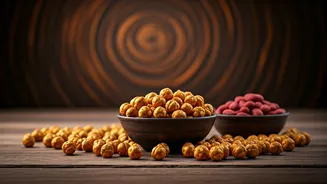
The combination of chickpeas and jaggery is a widely cherished snack across India, and for good reason. Rujuta Diwekar highlights this pairing as particularly effective for improving iron absorption in the body. Chickpeas are remarkably nutritious, providing a rich source of plant-based protein, dietary fibre, and essential minerals such as magnesium and potassium. When consumed with jaggery, which also contains iron, this snack offers a synergistic effect that significantly boosts the body's ability to utilise dietary iron.
Apricot's Hidden Benefits
Often overlooked, apricots stand out as one of the most nutrient-dense fruits available. Rujuta Diwekar emphasizes their value, noting that apricots are an excellent natural source of iron. She recommends incorporating them into your daily diet, suggesting one serving per day. Their regular consumption can contribute meaningfully to your iron intake, helping to prevent deficiencies and support healthy haemoglobin levels.
Aliv Laddoos
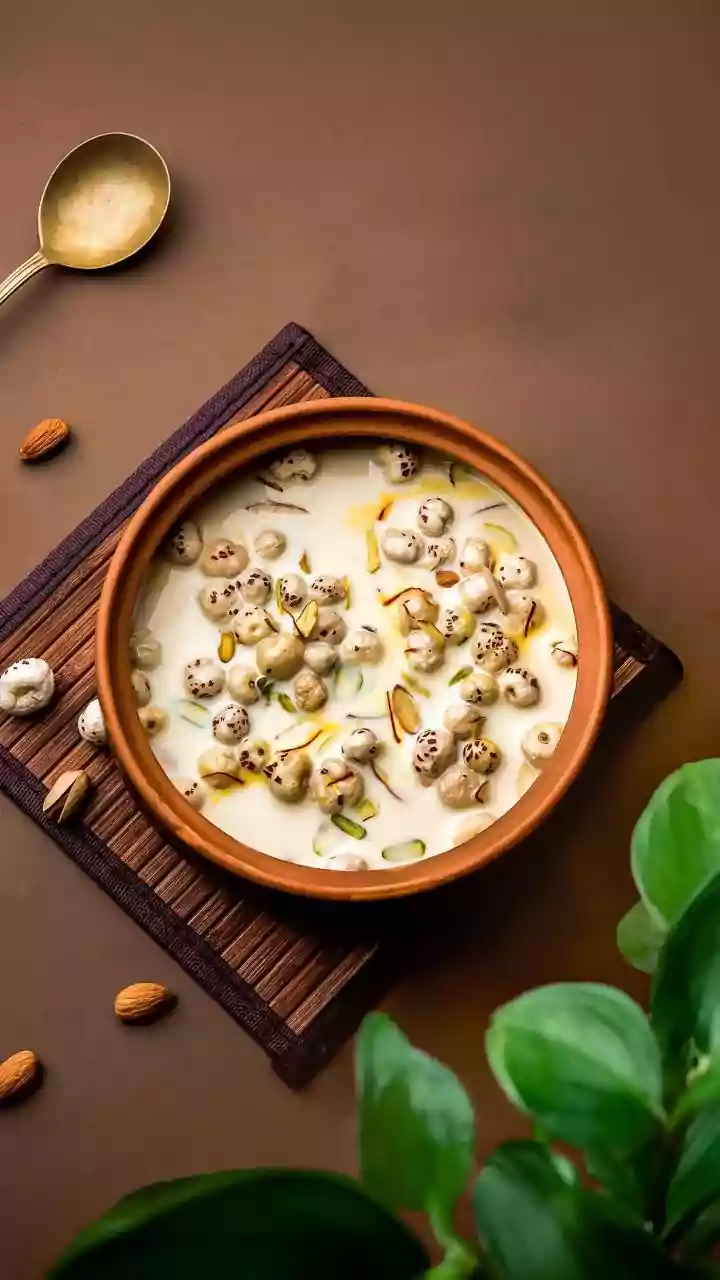
Adding aliv laddoos to your daily eating regimen is another practical step recommended for boosting iron and haemoglobin. These traditional Indian sweets are inherently rich in iron. By including them regularly, you can effectively enhance your body's iron reserves, contributing to improved haemoglobin levels and mitigating the risks associated with iron deficiency.
Cookware Choices
Rujuta Diwekar suggests a simple yet impactful change in your kitchen: using iron cookware for preparing meals. This practice allows a small amount of iron to leach into your food, thereby increasing your dietary iron intake subtly but consistently. She further explains that as your haemoglobin levels improve, you'll likely notice positive effects on other bodily functions, including thyroid and ovarian health, as well as enhancements in mood, energy, skin, and hair condition.
What to Avoid
Certain dietary habits can significantly hinder iron absorption and deplete your body's iron stores. Rujuta Diwekar strongly advises against excessive alcohol consumption, as it not only affects the liver but also impairs the body's ability to assimilate iron. Similarly, consuming large quantities of black coffee can have a detrimental impact on iron levels. Furthermore, relying heavily on juices, smoothies, and laxatives, especially in excess, can negatively influence iron absorption. Even a diet consisting solely of salads without sufficient real food can lead to decreased iron levels. Making informed choices about what you consume is crucial for maintaining adequate iron status.