

The Protein Connection
Your hair's fundamental building block is protein, specifically keratin. When your diet falls short on protein, your body conserves this essential nutrient
for vital bodily functions, causing hair growth to take a back seat. This can lead to a noticeable increase in shedding and overall thinning. Research supports this, indicating that inadequate protein intake, often seen in those following restrictive diets, can significantly contribute to hair loss. To combat this, aim to incorporate a source of protein into every meal, whether it's through eggs, lentils, paneer, chicken, fish, tofu, or a simple handful of nuts. Consistency in protein consumption is key to supporting robust hair structure and minimizing fall.
Iron's Oxygen Role
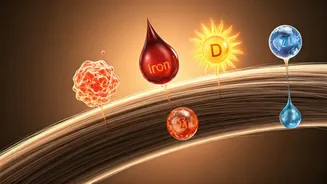
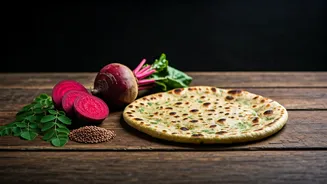
Iron plays a critical role in transporting oxygen throughout your bloodstream, and this oxygen is vital for the health of your hair follicles. A deficiency in iron, particularly low ferritin levels, means your hair roots aren't receiving sufficient oxygen, leading to weakening and eventual shedding. This connection is well-established, with studies linking low iron levels to conditions like telogen effluvium, a type of hair loss. If you're experiencing hair fall alongside symptoms like persistent fatigue, dizziness, or paleness, an iron deficiency could be a contributing factor. Boost your iron intake with foods such as spinach, beetroot, jaggery, dates, and lentils. Including vitamin C-rich foods like lemon alongside these can significantly enhance iron absorption.
Vitamin D's Impact
While often associated with bone health, Vitamin D also plays a surprising role in maintaining healthy hair. Low levels of this 'sunshine vitamin' have been correlated with various types of hair loss, including patchy thinning. Many individuals are deficient in Vitamin D without realizing it, especially those who spend a considerable amount of time indoors. Regular, moderate sun exposure, even just 15-20 minutes daily, can help bolster your levels. Additionally, incorporating foods like eggs, fortified milk, and fatty fish into your diet can contribute. If your deficiency is significant, consulting a healthcare professional for supplement recommendations may be advisable.
Zinc for Repair
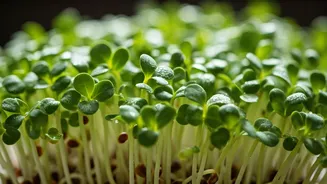
Zinc is a powerhouse nutrient that quietly supports crucial hair repair and growth processes. It is essential for maintaining the integrity of hair follicles and ensuring the proper functioning of the sebaceous glands that surround them. When zinc levels decline, hair can become brittle, lose its luster, and be more susceptible to breakage and shedding. Studies have indicated a link between lower zinc levels and hair loss, with improvements observed when these levels are replenished. A dry, flaky scalp, often a symptom of zinc deficiency, can further exacerbate hair problems. To ensure adequate zinc intake, integrate foods like pumpkin seeds, nuts, whole grains, dairy products, and legumes into your daily meals, focusing on dietary variety.
Biotin's Strength
Biotin, often celebrated as a 'hair vitamin,' contributes to hair strength and resilience. While not a magical cure, adequate biotin levels are important for preventing hair from becoming brittle, thin, and prone to breakage. Although true biotin deficiency is relatively uncommon, it can still manifest as hair loss, particularly in individuals with less varied diets or certain underlying health issues. However, for most people, a balanced diet provides sufficient biotin, making supplements unnecessary. Excellent food sources of biotin include egg yolks, nuts, seeds, bananas, and whole grains, emphasizing the importance of prioritizing whole foods for hair health.