





Border's Troubled Terrain
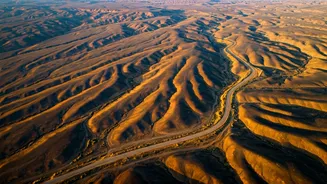
The relationship between Iran and Pakistan has been historically complex, further strained by the extensive 909-kilometer border they share. This border acts
as a conduit for various challenges, significantly impacting regional stability. The porous nature of this frontier has, in the past, facilitated smuggling activities, human trafficking, and the cross-border movement of armed groups. Recent events have amplified these existing tensions. Factors such as differing political agendas, security concerns, and economic disparities have complicated the relationship further. As these challenges persist, the importance of understanding the border's significance in regional dynamics increases. It is crucial to look at how these issues have influenced the course of events and what it could mean for the future of both countries. The need for effective border management and diplomatic efforts to address these issues becomes increasingly apparent to prevent a further escalation of regional instability.
Weaponry and Concerns
Weapon proliferation is a significant issue along the Iran-Pakistan border, fueling instability and tension. The flow of weapons, both illicit and otherwise, across the border, poses serious security risks. These arms often end up in the hands of insurgent groups and criminal organizations, intensifying conflicts and posing a threat to local populations. The easy availability of weapons heightens the potential for violence and complicates efforts to maintain peace. Both Iran and Pakistan have expressed concerns about the smuggling of weapons, but tackling it is complex due to the border's vastness and difficult terrain. International cooperation and strict border controls are vital to reducing the flow of weapons. Additionally, any rise in tensions could escalate the risk of conflict, and the accumulation of arms could make the situation even worse. The interplay of weaponry and security concerns is at the heart of the challenges along the border, therefore careful management is crucial to avert any further escalation.
Refugee Crisis Impact
The movement of refugees across the Iran-Pakistan border is another major challenge that impacts the relations between these nations. Refugees, often fleeing violence, persecution, or economic hardship, seek safety across the border, placing strain on resources and creating humanitarian concerns. The influx of refugees creates difficulties for both countries, from providing basic needs to border management. Pakistan has had to handle large numbers of refugees, and this has, on occasion, become an issue that causes friction with Iran, especially when it comes to the safety and the well-being of the refugees. The situation can be worsened if the nations struggle to cooperate on refugee management and protection. Addressing these concerns requires a coordinated effort between both nations, along with international humanitarian aid, to ensure the refugees' well-being. Furthermore, a focus on addressing the root causes of refugee flows is crucial to bring lasting peace and stability along the border region.
Tehran's Destabilisation Plan
Analysts have examined potential strategies that Tehran could use to destabilize the Iran-Pakistan border region. These strategies could involve a range of actions, including supporting insurgent groups, allowing the flow of arms across the border, and using proxy forces to carry out attacks. The goal of these actions could be to influence Pakistan's internal affairs, undermine regional stability, and to further Iran's geopolitical interests. Some reports have pointed to instances where Iran has been accused of supporting groups that have carried out attacks in Pakistan, thereby increasing tensions and mistrust between the two countries. The situation is complicated further by the complex regional rivalries and competing interests. Addressing these issues requires transparency, open communication, and international collaboration to avoid escalation. De-escalation also requires the two nations to work together to address underlying causes of instability, reduce tensions, and foster a peaceful border environment.
909 KM Border's Significance
The 909-kilometer border is a central element in the Iran-Pakistan relationship, and its significance goes beyond its mere physical presence. The border acts as a symbol of the shared history and the challenges that both nations face. It serves as a vital trade route, yet it is also a site of conflict and tension. Proper border management is critical to address issues like smuggling, illicit activities, and cross-border movement of armed groups. The border's length and the difficult terrain make it challenging to monitor and secure effectively, but it also increases the possibility of illegal activities. Strengthening border security measures, improving cooperation between border forces, and using technology to monitor the border are crucial to maintaining security. The future of this border will greatly influence the relationship between Iran and Pakistan, and how both countries handle issues will determine their relationship and their influence on the region.
Future Outlook and Challenges
The future of the Iran-Pakistan border is uncertain, and several factors could influence its stability. Political relations, economic conditions, and regional dynamics will affect the interactions between the two nations. Increased tensions or cooperation between Iran and Pakistan could lead to greater instability or increased opportunities for peace and stability. Challenges like arms trafficking, refugee movements, and the involvement of armed groups will likely persist and need ongoing attention. The international community, as well as the regional countries, must be actively engaged in promoting dialogue and cooperation to address these issues. Long-term solutions involve strengthening border management, building trust through diplomacy, and promoting economic development. The outlook for the border will be determined by how these challenges are addressed and whether Iran and Pakistan can find common ground to advance stability in the region.