


Embrace Anti-Inflammatory Indian Staples
Managing arthritis pain can be significantly eased by adopting a thoughtful Indian diet rich in anti-inflammatory foods. The cornerstone of such a diet involves
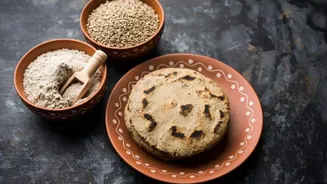
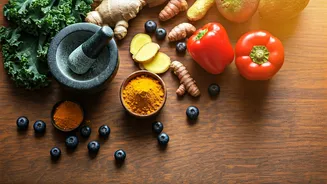
incorporating ingredients known for their ability to combat inflammation and alleviate joint discomfort. Key players include vibrant spices like turmeric, with its active compound curcumin, and pungent ginger, both renowned for their potent anti-inflammatory properties. Seeds such as flaxseeds and chia seeds are excellent sources of omega-3 fatty acids, which are crucial for reducing inflammation throughout the body. Leafy greens like spinach are packed with antioxidants and vitamins that support overall health and reduce oxidative stress. Furthermore, the inclusion of whole grains like bajra (pearl millet) and quinoa provides essential fiber, aiding in weight management which is vital for reducing stress on joints. This approach focuses on naturally sourced ingredients transformed into everyday Indian dishes, making the dietary changes both effective and enjoyable.
Powerhouse Foods for Joint Health
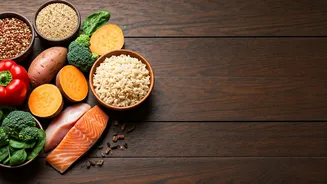
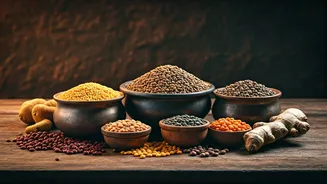
To effectively manage arthritis, it's beneficial to center your meals around specific nutrient-dense foods. Foods high in Omega-3 fatty acids, such as walnuts, chia seeds, and flaxseeds, are highly recommended as they play a significant role in reducing inflammation; consuming 2-3 tablespoons of seeds or 4-5 walnuts daily is advised. Antioxidant-rich fruits and vegetables are also critical; think of broccoli, spinach, berries, and citrus fruits, which provide essential vitamins and compounds like lutein and Vitamin C to combat inflammation and bolster the immune system. Aim for at least 2-3 servings of fruits and 4-5 servings of vegetables daily, prioritizing those with deep colors. Whole grains like oats, barley, bajra, and quinoa are vital for their high fiber content, which aids in weight management and provides sustained energy. Incorporating these into your diet 4-5 times daily can make a substantial difference. Don't forget the benefits of sulfur-rich vegetables such as cabbage, Brussels sprouts, and cauliflower, which contain compounds that actively reduce joint inflammation; including at least one serving daily is beneficial. Finally, boosting your intake of beans and legumes, like rajma and chickpeas, offers fiber and essential minerals such as magnesium and potassium, supporting immune function and overall joint health, with a recommendation of 2-3 times per week.
Crafting Flavorful Arthritis-Friendly Meals
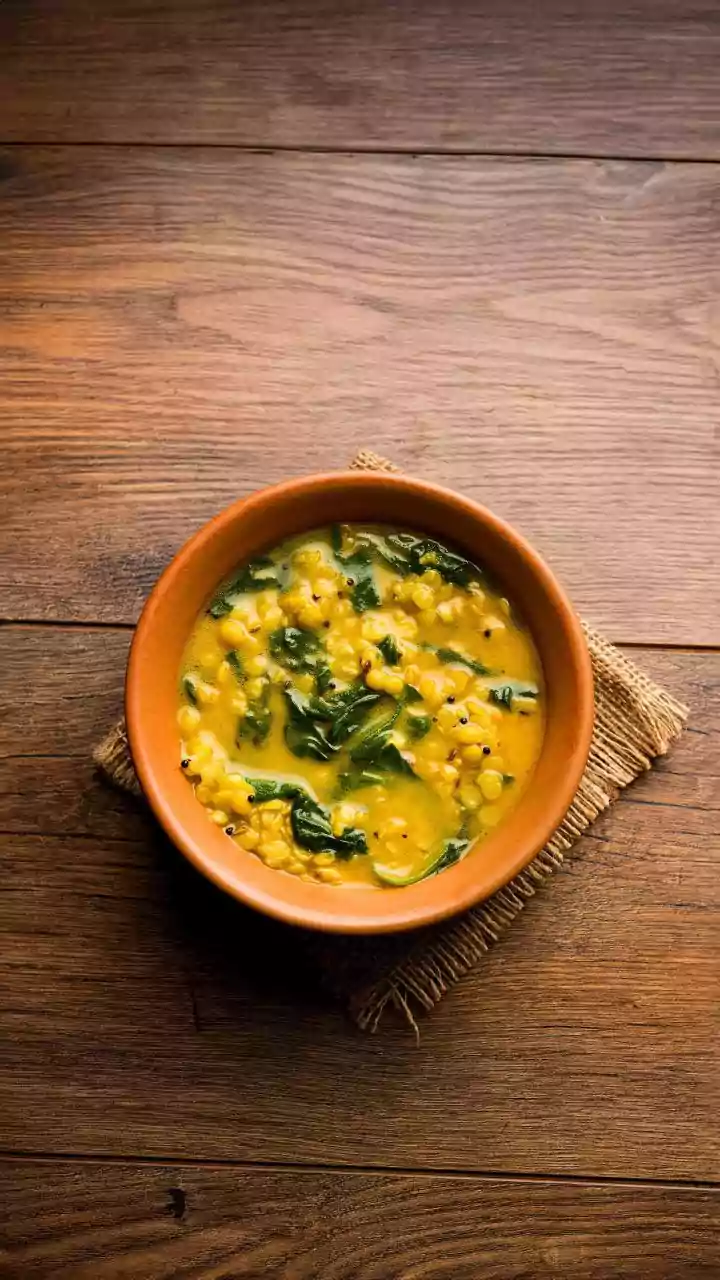
Transforming these beneficial ingredients into everyday meals is key to a sustainable arthritis diet. Consider incorporating recipes that highlight these anti-inflammatory powerhouses. For instance, a Masoor Dal with Spinach recipe offers a protein-rich and iron-packed meal, while a Bajra Whole Moong and Green Pea Khichdi provides a hearty and fiber-filled option that is also beneficial for managing conditions like diabetes and high cholesterol. Quick Paneer Sabzi offers a speedy protein boost, and a Spinach Mushroom Sabzi adds more greens and essential nutrients. For those seeking variety, a Healthy Chawli Sabzi (Lobia Curry) or a Pumpkin Dry Vegetable (Kaddu Ki Sabzi) can offer delicious ways to include legumes and vibrant vegetables. Even breakfast can be anti-inflammatory with options like a Quick Quinoa Dosa or a Buckwheat Groats Strawberry Porridge. The goal is to create balanced meals that are not only healthy but also satisfying and simple to prepare, ensuring adherence to the dietary recommendations.
Foods to Approach with Caution
While focusing on beneficial foods is crucial, it's equally important to be mindful of ingredients that can exacerbate arthritis symptoms. Certain common food items can trigger or worsen inflammation and joint pain. These include excessive sugar and refined carbohydrates, often found in processed foods like burgers, pasta, and pizza, which can promote systemic inflammation. High salt intake should also be minimized, as it can contribute to fluid retention and inflammation. While moderate consumption of tea is generally fine, green tea is often preferred due to its high polyphenol content, which acts as an antioxidant. Similarly, coffee's effects can vary, and some individuals find it beneficial to limit intake. Fried foods and ready-to-eat meals are often high in unhealthy fats and preservatives that can be detrimental to joint health. Alcohol and tobacco are also significant contributors to inflammation and should be avoided or consumed with extreme caution. By reducing or eliminating these items from your diet, you can create a more supportive environment for managing arthritis pain and improving overall joint function.
Integrating Diet and Lifestyle for Relief
Achieving significant relief from arthritis pain involves a holistic approach that combines dietary adjustments with other healthy lifestyle practices. While these anti-inflammatory recipes and food choices are powerful allies, they are most effective when integrated into a broader wellness plan. Regular exercise, as recommended by a healthcare professional, is fundamental for maintaining joint mobility, strengthening muscles around the joints, and managing weight. Weight management itself is a critical factor, as excess body weight places additional stress on weight-bearing joints, particularly the knees and hips, often worsening osteoarthritis. Therefore, a balanced diet that supports a healthy weight is paramount. It's also essential to remember that dietary changes alone are not a substitute for prescribed medical treatments. These recipes and dietary guidelines serve as a complementary strategy to manage symptoms and improve quality of life. Consistency in both diet and exercise, coupled with adherence to medical advice, offers the most promising path towards reducing pain, stiffness, and improving overall joint health for individuals managing arthritis.