



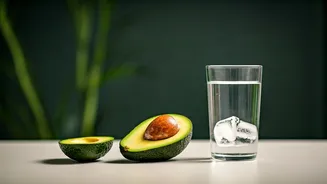

Start Small, Stay Consistent
Embarking on a journey towards better eating doesn't necessitate an immediate overhaul of your entire diet. Instead, focus on small, consistent adjustments.
Begin by introducing one or two healthy habits each week. Maybe you start by swapping sugary drinks for water, or adding a serving of vegetables to your dinner. The key is to make changes that you can realistically maintain over time. Think of it as building a house: you lay the foundation first, then gradually add the walls, the roof, and the finishing touches. Small, steady steps are more sustainable than drastic changes that may lead to burnout. Celebrate your successes, no matter how small, as each healthy choice contributes to your overall well-being. Remember, it's about progress, not perfection.
Plan Your Meals
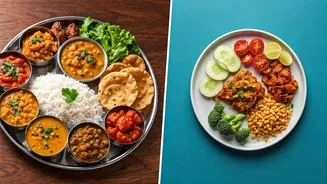
One of the most effective ways to eat well is to plan your meals ahead of time. This doesn't mean you need to be a culinary expert or spend hours in the kitchen every day. Simply take some time each week to think about what you'll eat for the next few days. Consider creating a weekly menu, writing a grocery list based on your chosen meals, and preparing ingredients in advance. When you plan, you're less likely to make impulsive, unhealthy choices when hunger strikes. Moreover, meal planning helps control portion sizes and ensures you have a balanced intake of nutrients. You can start with simple breakfasts, lunches, and dinners, and slowly expand your repertoire. Websites, apps, and cookbooks can provide inspiration and recipes to get you started. Remember that planning doesn't have to be rigid; be flexible and adjust as needed, but always have a general idea of your meal schedule.
Focus on Whole Foods
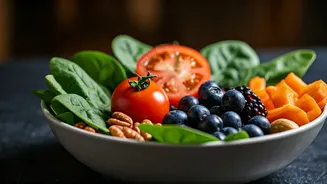
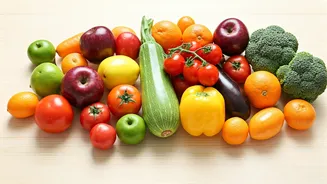
Prioritizing whole foods is another cornerstone of healthy eating. Whole foods are those that are unprocessed or minimally processed, retaining their natural nutrients and fiber. Think about fresh fruits and vegetables, lean proteins like chicken and fish, whole grains such as brown rice and quinoa, and healthy fats from avocados and nuts. These foods are packed with essential vitamins, minerals, and antioxidants, which are crucial for overall health and well-being. Minimize your consumption of processed foods, which often contain excessive sugar, salt, and unhealthy fats. These can lead to weight gain, inflammation, and chronic diseases. Read food labels carefully and aim to choose foods with minimal ingredients and no added sugars. A diet rich in whole foods not only nourishes your body but also provides sustained energy and supports healthy digestion.
Hydrate Regularly
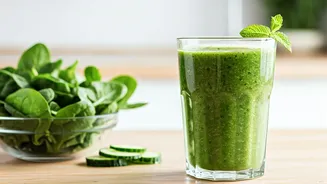
Staying adequately hydrated is fundamental to good health and often overlooked. Water plays a vital role in numerous bodily functions, from regulating body temperature to transporting nutrients and flushing out waste. Aim to drink water throughout the day, even before you feel thirsty. Keep a water bottle with you and refill it frequently. You can also incorporate hydrating foods into your diet, such as fruits and vegetables with high water content, like watermelon and cucumbers. Avoid excessive consumption of sugary drinks like sodas and juices, which can contribute to dehydration and add empty calories. Listen to your body and adjust your fluid intake based on your activity level and the climate. Proper hydration not only supports your physical health but can also improve your energy levels, skin health, and cognitive function.
Cook More at Home
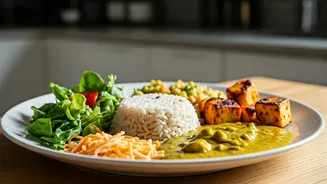
Cooking more meals at home offers greater control over the ingredients and portions, leading to healthier eating habits. When you prepare your meals, you know exactly what goes into them, allowing you to avoid hidden sugars, unhealthy fats, and excessive sodium commonly found in restaurant meals and processed foods. Start with simple recipes that you enjoy and gradually expand your culinary skills. Don't be afraid to experiment with different flavors and ingredients. Cooking at home doesn't have to be time-consuming; there are many quick and easy recipes available. Even preparing a few meals per week can make a significant difference. Involve your family or friends in the cooking process, making it a social activity. You'll not only eat better but also strengthen your connection with others and develop a greater appreciation for the food you eat.