




Beyond the Obvious Signs
While frizz often steals the spotlight as a summer hair woe, several subtler indicators signal that your hair is under environmental duress. You might
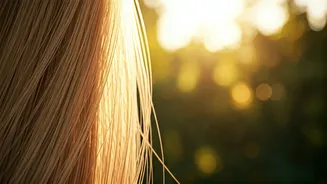
notice a distinct change in how your hair feels under your fingertips; it might feel rough or like straw, even after applying your usual conditioning treatments. Styles that once held their shape might start to fall flat prematurely, and your hair may become more prone to tangling, especially towards the ends. Furthermore, a noticeable loss of its natural sheen or a slight alteration in texture can be early warnings. Even hair colour might appear to fade more rapidly than usual. These incremental shifts, often dismissed as seasonal inconveniences, are actually your hair's quiet way of communicating that it's experiencing stress and needs attention, rather than being normal seasonal changes.
Sun and Heat's Silent Attack
The sun's rays, while enjoyable, pose a significant threat to hair's structural integrity. Prolonged exposure to ultraviolet radiation can degrade the hair's outer protective layer, known as the cuticle. When this layer weakens, it becomes more permeable, diminishing its ability to retain essential moisture. This leads to a cascade of issues, including dryness and increased brittleness. The damage extends deeper, as UV rays can break down the protein components within the hair shaft itself, ultimately contributing to split ends and a fragile feel. Heat, whether from direct sunlight or styling tools used to combat summer issues, exacerbates this by stripping away moisture. This relentless moisture loss leaves hair susceptible to breakage and significantly weakens its overall resilience, with the cumulative damage often going unnoticed for weeks.
Summer Hair Fall Concerns
An increase in the amount of hair found in your drain or on your brush after showering can be a concerning sign during summer months. While a slight uptick in shedding can be considered normal due to factors like increased sweat, scalp buildup, and natural seasonal fluctuations, excessive or prolonged hair fall warrants closer inspection. Persistent shedding, especially when accompanied by noticeable thinning, could point to significant stress on the scalp, dehydration, or weakened hair roots that lack the nourishment needed to remain robust. While temporary hair loss is a part of the hair's natural cycle, if the shedding doesn't abate after a few weeks, it’s no longer just a seasonal issue but a clear indication that your hair is struggling to cope with its environment.
Distinguishing Dryness from Damage
It can be challenging to differentiate between simple dryness and more profound hair damage, especially when the hair feels unmanageable. Temporary dryness typically responds well to consistent care; a few washes with a good conditioner and a simplified routine can often restore hair to its normal state. However, damage manifests differently. It presents as persistent roughness, split ends that tend to travel upwards, and breakage that occurs with minimal stress. Crucially, damaged hair often loses its natural elasticity, snapping easily when gently stretched. Even after deep conditioning treatments, it may remain dull and rough, indicating a loss of structural integrity that moisture alone cannot rectify. Many mistakenly believe more products will help, but they can only maintain what's healthy, not repair compromised hair.
Crafting Your Summer Routine
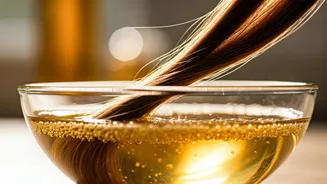
A simplified and consistent hair care regimen is far more effective during summer than an overly complicated one. Prioritizing protection is key; shielding your hair from direct sun exposure with scarves, hats, or UV-protective sprays creates a vital barrier against damaging elements. Opt for a gentle, hydrating shampoo and a rich conditioner to replenish lost moisture without stripping the hair's natural oils. Minimize the use of heat styling tools, and always apply a heat protectant when necessary. Incorporating weekly oil treatments or deep conditioning sessions is essential for combating the environmental moisture loss. Maintaining a clean scalp prevents buildup that can weaken roots, and regular trims are crucial to remove split ends before they worsen and travel up the hair shaft, preserving the overall health and appearance of your hair.
The Path to Recovery
The aftermath of summer on hair isn't always dramatic; it often presents as a subtle decline in manageability, shine, and overall vitality. What might be mistaken for humidity or general 'bad hair days' are actually your hair's signals for help. Paying close attention to these subtle cues—lingering roughness post-conditioning, increased tangling, styles failing to hold, and rapid colour fading—is paramount. These aren't inevitable signs of the season but indicators of distress that, if addressed early, are correctable. Proactive protection is the best defence against cumulative damage. If damage has already occurred, the focus should shift from adding more products to a simplified routine that prioritizes moisture, protection, and regular trims. By being attentive and adopting the right care strategies, you can prevent summer from wreaking havoc on your hair and help it recover its health and lustre.