


Aloo Tamatar Magic
During the auspicious Chaitra Navratri, a time dedicated to Goddess Durga, meals are traditionally simple and pure, known as 'sattvik'. This means avoiding
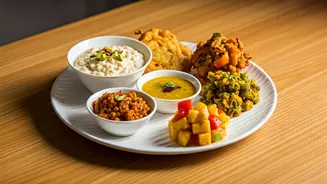
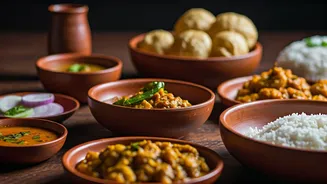
ingredients like onion and garlic, focusing instead on fresh, wholesome flavors. A prime example of this culinary philosophy is the Aloo Tamatar Sabzi. This humble yet delightful curry brings together tender potatoes and ripe tomatoes, simmered and infused with a symphony of aromatic spices. Its mild yet satisfying taste makes it an ideal accompaniment to traditional flatbreads like puris or hearty kuttu rotis, creating a balanced and nourishing meal that honors the spirit of the festival. The preparation is straightforward, allowing the natural sweetness of the tomatoes and the earthiness of the potatoes to shine through, enhanced by careful seasoning that respects the sattvik principles.
Crispy Kuttu Poori
Elevating the festive spirit of Navratri fasting, Kuttu ki Poori offers a delightful textural contrast and deep satisfaction. These puris are crafted from buckwheat flour, a nutritious grain that lends a distinct, slightly nutty flavor. The dough is skillfully shaped into small discs and then deep-fried to a perfect golden crispness, resulting in a light yet indulgent treat. Traditionally, these are served as a quintessential pairing with the aforementioned Aloo Tamatar Sabzi, forming a classic and comforting combination that is both festive and filling. The preparation of Kuttu ki Poori is a cherished ritual, symbolizing the joy and abundance that can be found even within the constraints of fasting, providing a sense of celebration on the Navratri table.
Creamy Makhana Kheer
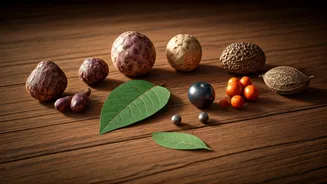
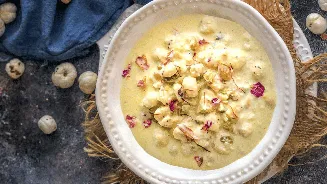
For a sweet conclusion to your Navratri meals, Makhana Kheer presents a wonderfully light and nourishing dessert option. This enchanting kheer, or pudding, is created using fox nuts (makhana), which are gently roasted and then simmered in creamy milk. The addition of finely chopped dry fruits, such as almonds and pistachios, introduces a delightful crunch and a boost of energy. Its delicate sweetness and smooth texture make it an ideal choice for fasting, as it is easy to digest and provides essential nutrients without feeling heavy. Makhana Kheer beautifully embodies the sattvik approach to cuisine, offering a guilt-free indulgence that is both comforting and spiritually uplifting during the sacred festival.
Flavorful Sabudana Khichdi
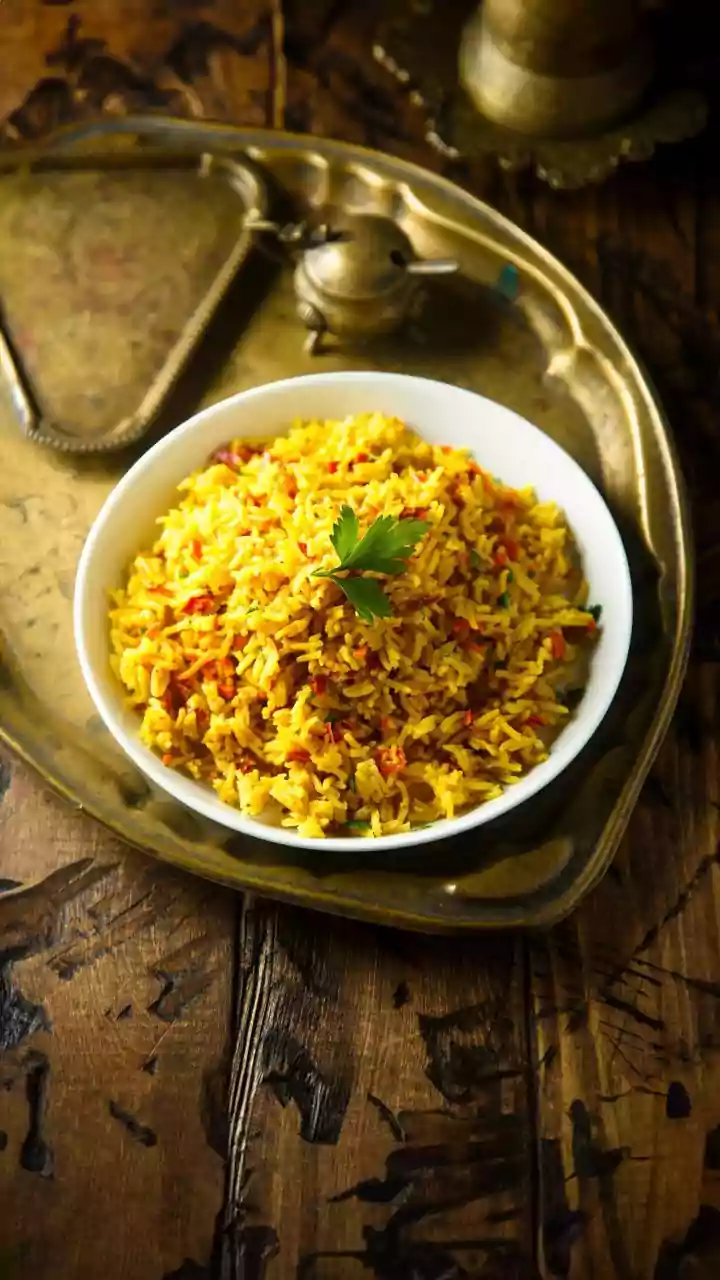
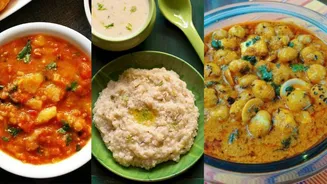
A perennial favorite during fasting periods across India, Sabudana Khichdi is a testament to the delicious possibilities of sattvik cooking. This dish is artfully prepared using tapioca pearls (sabudana) that are soaked and then stir-fried with roasted peanuts, which add a satisfying crunch and nutty flavor. Mildly spiced with green chilies and a touch of cumin, the khichdi remains light yet remarkably filling. The preparation requires careful attention to ensure the sabudana pearls achieve a fluffy, non-sticky texture. Its widespread popularity stems from its ability to provide sustained energy and its comforting, familiar taste, making it a staple for those observing Navratri fasts.
Wholesome Samak Rice
Known colloquially as 'vrat ke chawal' or fasting rice, Samak Rice Khichdi is another stellar option for Navratri meals. This dish is made from barnyard millet, a gluten-free grain that is incredibly easy to digest and provides a wholesome base for a sattvik meal. The millet is typically cooked with water until tender and then lightly seasoned with mild spices, sometimes including roasted peanuts or small pieces of potato. Its subtle flavor profile allows it to be paired with various accompaniments, and its gentle nature makes it particularly suitable for those observing strict fasts. Samak rice offers a nutritious alternative to traditional grains, ensuring one remains nourished throughout the spiritual observance.
Rich Singhare Halwa
Symbolizing purity and often prepared as an offering (prasad), Singhare ke Atte ka Halwa is a luxurious dessert to grace the Chaitra Navratri table. This rich halwa is meticulously crafted from water chestnut flour, a unique ingredient that imparts a distinct texture and delicate flavor. It is generously cooked in ghee (clarified butter) and sweetened with sugar, creating a decadent yet satisfying treat. The preparation involves slowly roasting the flour in ghee until fragrant and golden, before adding water or milk and sugar to achieve a smooth, pudding-like consistency. Garnished with nuts, this halwa is a celebratory dish that perfectly rounds off a sattvik meal, embodying both devotion and culinary artistry.