





Grain Swaps Matter
Transitioning from refined grains like maida to more wholesome alternatives is a fundamental step towards better health, especially as women age. Incorporating
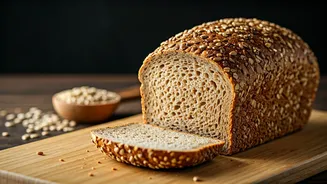
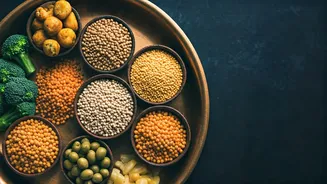
whole grains such as atta, millets, and oats into daily meals can significantly improve blood sugar management, ensuring a more stable release of energy throughout the day. These fibrous options also contribute to a feeling of fullness, aiding in portion control and overall dietary balance. Unlike maida, which offers minimal nutritional value, these whole grain choices are packed with essential nutrients that support sustained vitality and well-being, making them an excellent foundation for any meal. The shift is not just about avoiding empty calories but actively choosing foods that nourish the body and support its metabolic functions, a key consideration for maintaining health as one gets older.
Snack Smarter, Not Harder
Rethinking your snack choices is a powerful way to introduce healthier fats, essential fibre, and beneficial antioxidants into your mom's diet. Instead of relying on traditional fried namkeens, which can be high in unhealthy fats and sodium, opt for nutrient-dense alternatives. Options like roasted chana, puffed makhana (fox nuts), or a variety of mixed seeds offer a satisfying crunch and a wealth of health benefits. These snacks provide sustained energy and crucial nutrients without the adverse effects often associated with processed or fried treats. Making these simple switches ensures that snack time contributes positively to overall health, supporting everything from digestive function to providing essential micronutrients, which is particularly important for maintaining the body's well-being over time.
Sweetness Without the Spike
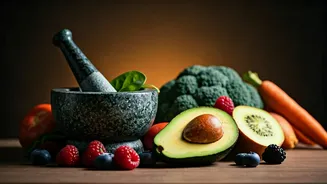
Managing sugar intake is crucial for maintaining consistent energy levels and preventing rapid insulin spikes, which can impact overall health. Traditional sugary snacks and desserts can be replaced with healthier, naturally sweet options. Fresh seasonal fruits are an excellent choice, offering fibre and a spectrum of vitamins and minerals along with their sweetness. For those craving something richer, a small portion of 70% dark chocolate can provide antioxidants and a satisfying taste without the excessive sugar found in many confectioneries. Furthermore, when baking or sweetening beverages, consider natural alternatives like dates or jaggery, used in moderation, which may help reduce the body’s inflammatory load compared to refined white sugar, supporting a less inflammatory internal environment.
Prioritizing Protein Power
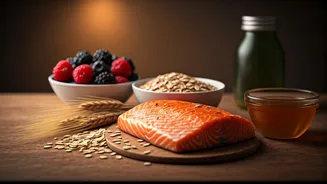
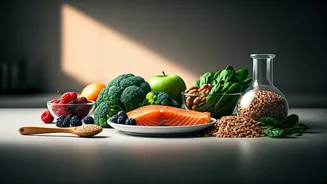
Protein intake becomes increasingly vital as individuals age, primarily to combat age-related muscle loss, a condition known as sarcopenia. Ensuring your mother's diet regularly includes adequate protein sources is essential for maintaining muscle strength and supporting bodily repair processes. Excellent dietary sources include versatile options like paneer (Indian cottage cheese), curd (yogurt), various lentils, and eggs. By incorporating these protein-rich foods into daily meals, you can actively contribute to preserving muscle mass, which is fundamental for mobility, metabolism, and overall functional independence. This focus on protein supports not just physical strength but also contributes to overall well-being and recovery from daily activities.
Gut and Bone Health
Maintaining robust gut health and strong bones are paramount for an aging mother's vitality and comfort. Enhancing digestive function can be achieved by incorporating probiotic-rich foods like curd and buttermilk, which introduce beneficial bacteria to the gut microbiome. Pairing these with fibre-rich foods further supports a healthy digestive system, promoting better nutrient absorption. Simultaneously, fortifying bone strength requires adequate intake of calcium and Vitamin D. Ensuring sufficient sources of these nutrients, whether through dairy, leafy greens, or fortified foods, plays a critical role in preventing bone density loss and reducing the risk of fractures, thereby supporting physical resilience.
Hydration and Mindful Eating
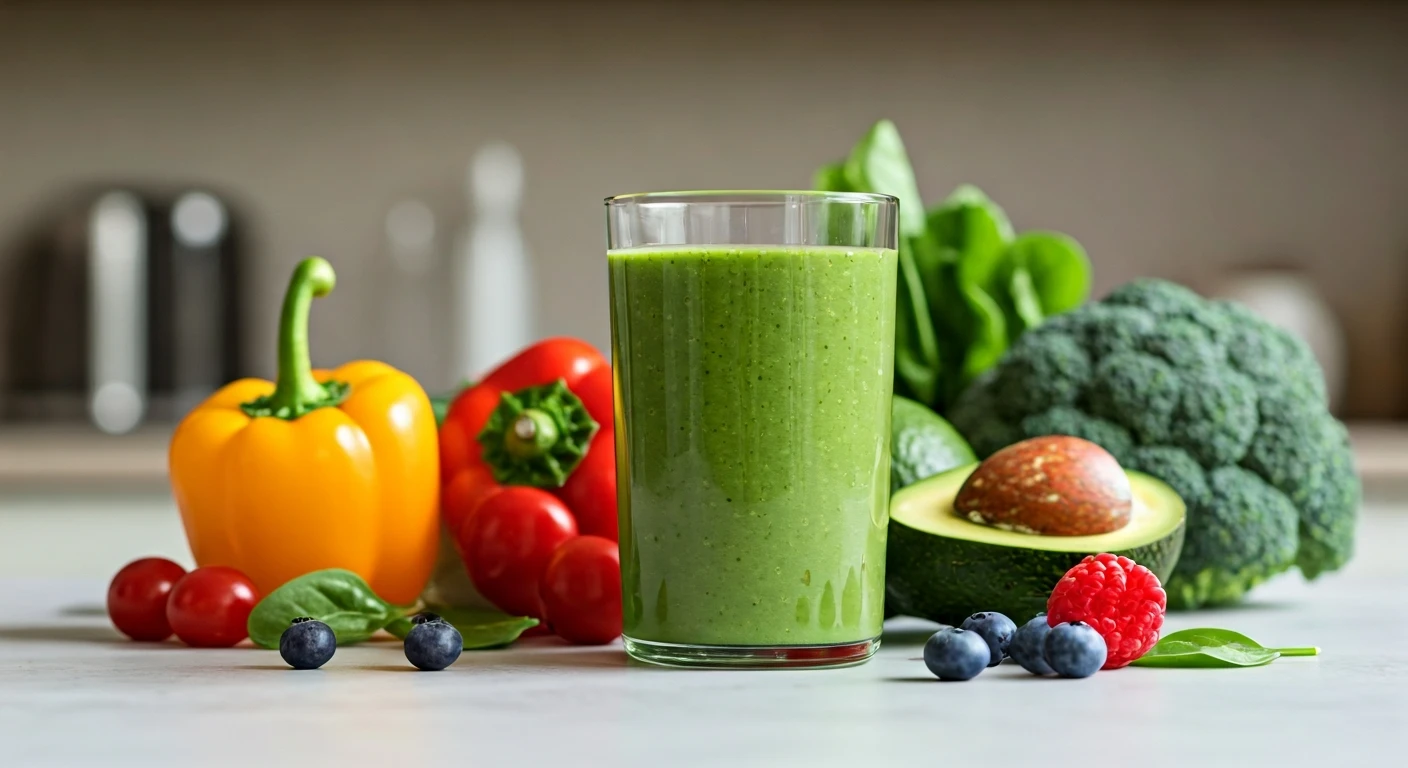
Staying adequately hydrated is a cornerstone of overall health, and choosing healthier beverage options over sugary drinks makes a significant difference. Instead of sodas or heavily sweetened juices, encourage the consumption of water, coconut water, or infused water. These provide hydration with minimal or no added sugar. Beyond drinks, embracing mindful eating habits, such as practising portion control and opting for earlier dinners, can greatly enhance metabolic efficiency and improve digestion. These conscious choices contribute to a healthier relationship with food and support the body's natural rhythms, fostering a sense of well-being and optimizing the digestive process.
More Healthy Swaps
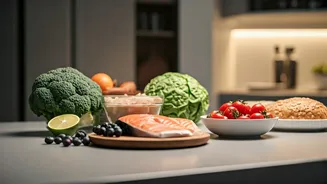
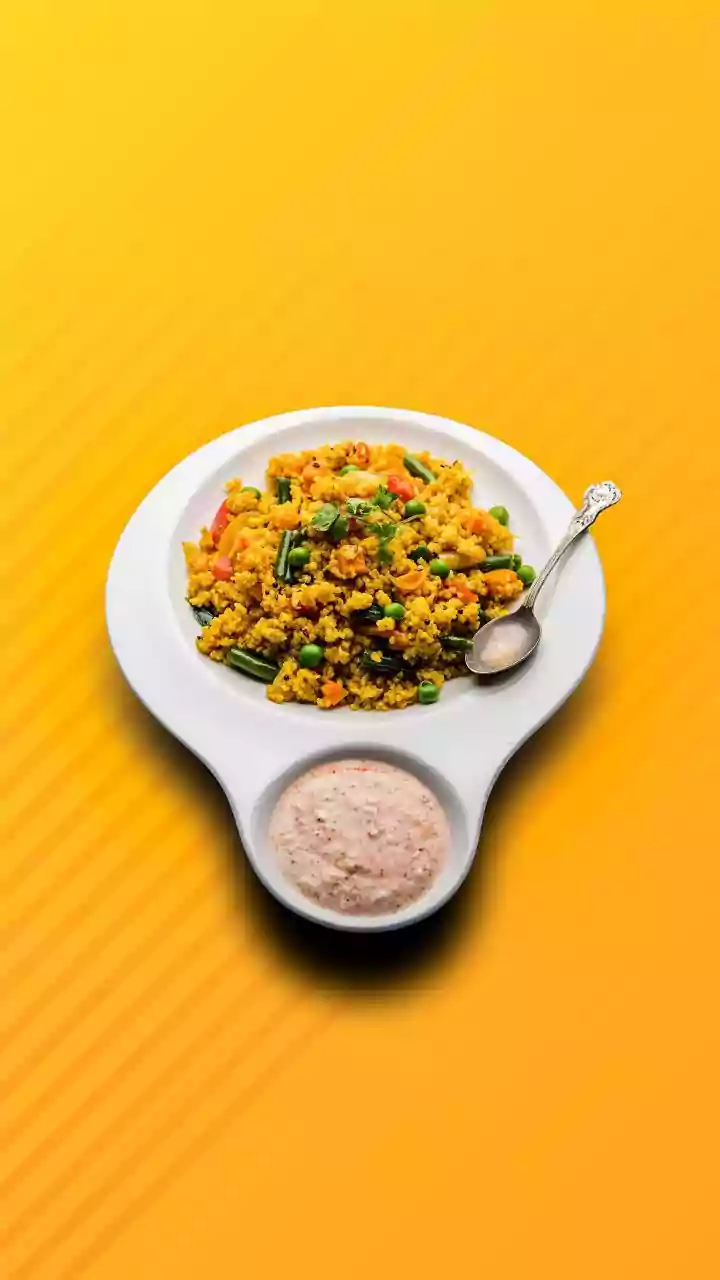
Expanding on simple dietary adjustments, several other practical food swaps can significantly benefit your mother's health. Replacing white rice with brown rice or quinoa offers a substantial increase in dietary fibre and supports better blood sugar regulation compared to refined white rice. When it comes to fruit consumption, opting for fresh, whole seasonal fruits instead of packaged fruit juices is preferable, as it guarantees higher fibre content and drastically reduces the intake of added sugars. Furthermore, for dressings and spreads, choose healthier homemade options like hummus or hung curd dips over mayonnaise-based sauces; these provide a superior source of protein and beneficial healthy fats, contributing positively to a balanced diet.