







Swallowing Air Unseen
The simple act of chewing gum can introduce an unseen enemy: air. Every time you chew, you are, consciously or unconsciously, swallowing air along with
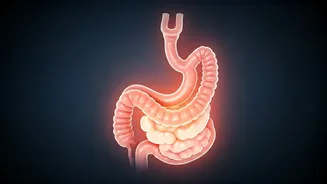
your saliva. This air then travels down into your digestive system. Think about the mechanics. You are continuously working your jaw, opening and closing your mouth, and with each swallow, you're unwittingly adding to the air volume within. Consequently, this excessive air can lead to bloating, burping, and, of course, the passage of gas. This often occurs unnoticed and accumulates gradually, leading to a state of digestive unease. The more you chew, the more air you take in. This is why frequent gum-chewing habits might correlate with increased gas production. Understanding this simple mechanism can bring much needed clarity.
Sweeteners and Your Gut
Beyond air, the ingredients in chewing gum, particularly artificial sweeteners, can further upset your stomach. Many sugar-free gums use sweeteners like sorbitol, mannitol, and xylitol. These substances are known as sugar alcohols, and while they have fewer calories than regular sugar, the human body may struggle to fully digest them. When these sugar alcohols reach the large intestine undigested, they become a feast for gut bacteria. The bacteria then ferment these sweeteners, producing gas as a byproduct. This fermentation process can cause significant bloating, cramping, and flatulence. The sensitivity to these sweeteners varies among individuals; what affects one person minimally can severely impact another. Therefore, consider the sweeteners in your gum and how they correspond to your body's tolerance to minimize potential digestive disturbances.
Gum Chewing Assessment
To determine whether chewing gum is a significant contributor to your gas problems, a simple self-assessment is essential. Keep track of how much gum you chew daily and note the frequency and intensity of your bloating, burping, or gas production. Try keeping a food diary where you mark when you chew gum and when you feel gassy. Over a week or two, this log can reveal a correlation between your chewing habits and digestive symptoms. A clear pattern might emerge, showing your gas symptoms are worse on days you chew more gum. This helps you figure out if chewing gum is directly connected to your discomfort. In essence, it offers an evidence-based approach to assessing its impact on your digestive health, enabling you to make informed decisions and adjustments.
Alternatives to Consider
If you discover that chewing gum aggravates your gas, exploring alternatives can significantly improve your comfort. For many, simply eliminating gum is the most straightforward solution. If you still crave that oral stimulation or fresh breath, there are alternative options. Consider carrying breath mints or using mouthwash, which provide similar benefits without the continuous chewing. Alternatively, you can opt for sugar-free gums with different sweeteners that you might tolerate better. Reading the labels is essential to be aware of the ingredients, particularly sugar alcohols. Additionally, try chewing gum less frequently. This reduces air intake and the potential digestive effects of sweeteners. This approach enables you to manage or even solve the issue without entirely giving up refreshing your breath.
Making Informed Choices
Understanding the connection between chewing gum and gas allows for conscious choices regarding your digestive health. It is a matter of being informed, self-observant, and adaptable to your body's needs. By recognizing the potential impact of chewing gum, you can proactively manage your digestive well-being. This requires monitoring your symptoms and understanding the ingredients. By doing this, you're better prepared to decide what is best for your health. While chewing gum might seem harmless, its effects on your digestive system can be surprising. Taking these steps can ultimately lead to a more comfortable and gas-free life.