



Savory Curry Enhancer
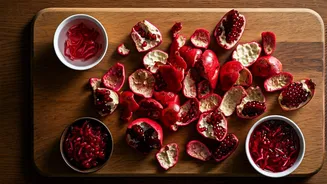
The dried and finely ground peel of a pomegranate offers a remarkable natural alternative for adding tanginess to savory dishes, especially curries and gravies.
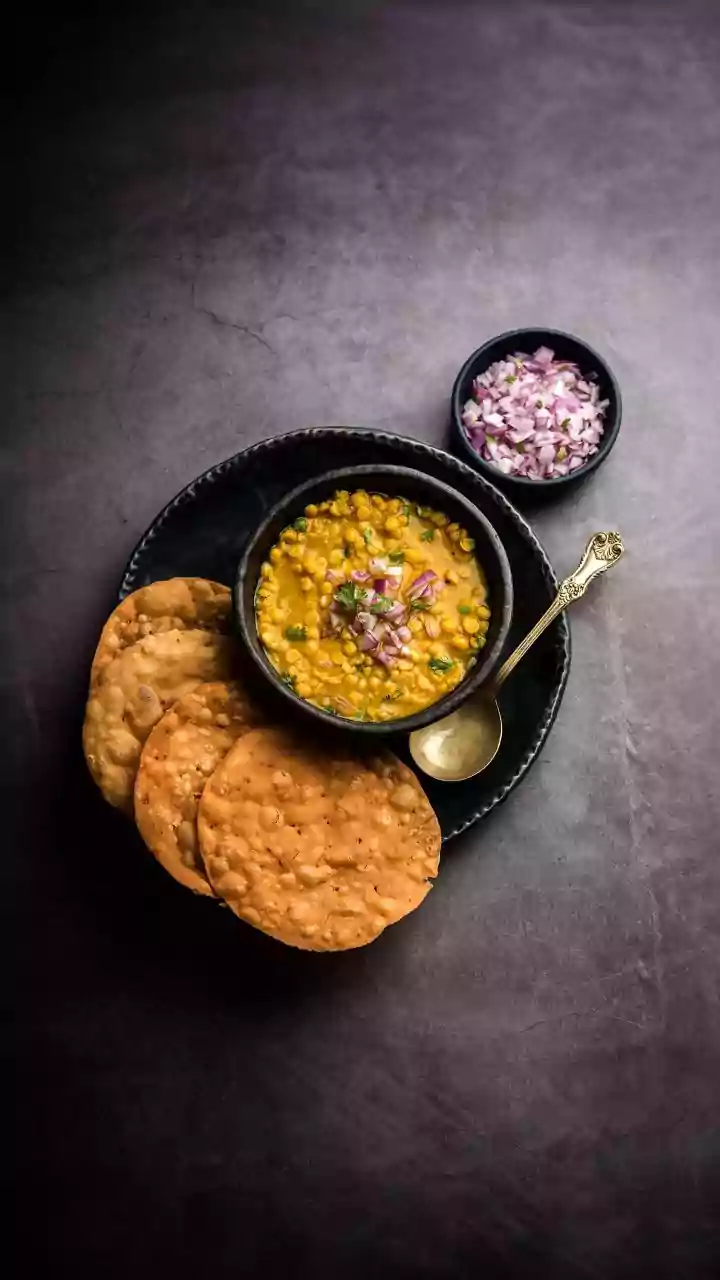
This powder imbues dishes with a gentle, nuanced sourness, distinct from sharper agents like tamarind or dried mango. It blends seamlessly into lentil-based preparations and vegetable stews, contributing a subtle layer of complexity and a hint of bitterness that complements other spices. Its ability to enhance overall flavor without dominating the palate makes it a valuable addition for those seeking to reduce food waste and explore traditional culinary techniques. This method effectively transforms a common discard into a functional flavor component that adds depth and character to everyday meals.
Aromatic Herbal Brews
Pomegranate peels, when thoroughly dried, can be used to create a delightful and subtly tart herbal tea. This infusion offers a comforting warmth and a pleasant, zesty flavor profile, especially when paired with complementary spices such as warming cinnamon or invigorating ginger. It provides a rich taste experience that goes beyond simple hydration, offering a unique beverage option. For an even simpler twist, a small piece of dried peel can be added to a standard cup of black or green tea, imparting a novel fruity undertone and a gentle, palate-cleansing quality. This approach transforms the peel into a soothing and flavorful drink, perfect for a relaxing moment.
Spice Blend Booster
Incorporating ground pomegranate peel into homemade spice blends can elevate the complexity and depth of flavor in various culinary applications. When combined with other roasted or dried spices, the peel introduces a distinctive tartness that beautifully balances heat and savory notes. It proves particularly effective in dry rubs for meats or as a component in masala mixes for roasted vegetables and snacks. The peel's inherent tanginess provides a welcome contrast to pungent spices like chili and black pepper, while also contributing an underlying earthy essence. This usage allows for the creation of truly multi-dimensional spice profiles, adding a unique character to dishes.
Chutney's Tangy Twist
Pomegranate peels can add a wonderfully deep and slightly bitter tang to homemade chutneys, enriching their flavor and texture. When cooked down and blended with fresh herbs, other spices, and a touch of sweetness, the peel contributes a distinct character that complements traditional accompaniments. It integrates particularly well into vibrant mint or coriander-based chutneys, where its bitterness softens during the cooking process, leaving behind a nuanced and balanced taste. This integration makes the chutney more layered and engaging, offering a unique dimension beyond typical fruity or spicy variations.
Infused Syrups & Drinks
By boiling pomegranate peels in water, one can create a concentrated liquid extract that serves as an excellent base for homemade syrups and beverages. This flavorful liquid can then be sweetened with sugar or jaggery to form a tangy syrup. Such a concentrate is versatile, finding its way into refreshing sherbets, creative mocktails, or even as a zesty drizzle over sweet desserts. The extract not only imparts a distinct flavor but also contributes a natural, appealing color to the final product, offering a visually attractive and gastronomically interesting way to repurpose this often-discarded part of the fruit.
Pickle's Tart Element
In certain regional culinary traditions, dried pomegranate peel plays a significant role as an ingredient in pickles, lending them a subtle yet distinct tartness. It pairs exceptionally well with a variety of pickling vegetables and fruits, including crisp carrots, fiery chilies, and tart raw mangoes. As the pickle matures, the peel absorbs the surrounding spices and oil, contributing its unique taste profile over time. Furthermore, it aids in balancing the overall saltiness and spiciness of the pickle, creating a more harmonious and complex flavor. This application highlights how traditional methods creatively utilized every part of available produce.