






Memory's Three Stages
The brain’s capacity to remember is a complex, multi-stage process that researchers often explain using a three-stage model. The first stage, acquisition,
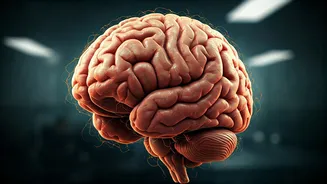
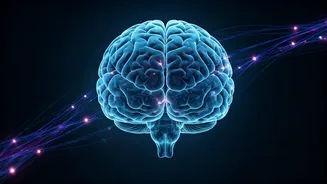
is where new information is initially encountered and learned, forming transient electrical pathways between neurons. The specific brain regions activated during this phase depend on the type of data; for instance, language-related information typically engages the left temporal lobe, while spatial understanding activates the right parietal lobe. Following acquisition is consolidation, where these initial pathways are reinforced, particularly by the hippocampus, to transform them into more permanent long-term memories. This consolidation is influenced by factors like the new information's connection to existing knowledge, a concept known as declarative memory. For motor skills and habits, a different process called procedural memory occurs, relying on areas like the frontal lobes, cerebellum, and basal ganglia, and consolidating through practice rather than direct hippocampal involvement. Finally, retrieval is the act of bringing a stored memory back into conscious awareness. Memories are stored as unique patterns of neural activity; recalling them involves reactivating these dormant patterns. However, due to overlapping activation patterns between similar memories, retrieval can sometimes be imperfect, leading to the recall of a different, related memory instead.
Short-Term vs. Long-Term
Our memories operate on different timescales, broadly categorized into short-term and long-term. Short-term memory, also known as working or immediate memory, is a temporary holding space for information we need for immediate tasks, typically lasting only a few seconds to minutes. This capacity is quite limited, with the average person able to hold about five to nine unrelated pieces of information simultaneously. Without active effort to retain it, this information quickly fades, usually within 18 to 20 seconds, making way for new input. This transient nature is actually advantageous, allowing us to efficiently discard irrelevant data. In contrast, long-term memory is designed for enduring storage. While short-term memory can only manage a handful of items, the brain’s long-term storage is vast, capable of retaining a massive amount of information. Emotionally significant or personally meaningful events are particularly likely to be preserved in long-term memory. Barring illness or injury, the capacity for lifelong learning and memory retention remains robust.
Types of Long-Term Memory
Within the realm of long-term memory, distinct types exist, each serving different functions. One particularly resilient form is procedural memory, which governs our motor skills and learned habits, such as riding a bicycle or tying shoelaces. This type of memory is stored at a subconscious level and remains remarkably intact, even in individuals experiencing early stages of dementia. It’s the kind of memory that allows us to perform complex physical actions without conscious thought or deliberation. Declarative memory, on the other hand, encompasses explicit recollections of facts and events that we can consciously recall and articulate. This category includes episodic memories of personal experiences and semantic memories of general knowledge. While procedural memory relies on a network of brain regions involved in motor control, declarative memory is more dependent on the hippocampus for its initial formation and consolidation into long-term storage.