




Expressway Status & Journey Time
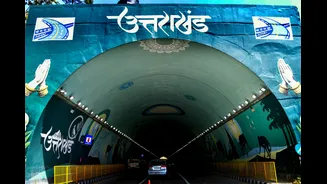
The entire 213 km stretch of the Delhi-Dehradun Expressway, connecting the Akshardham temple in Delhi to Dehradun, has been made fully operational. Inaugurated
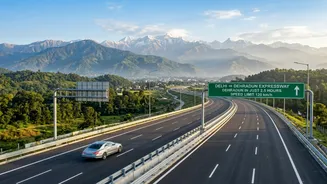
on April 14, 2026, by Prime Minister Narendra Modi, this modern infrastructure marvel promises a dramatically reduced commute. Previously, travelers would spend approximately 6 hours navigating the route between these two important cities. However, with the expressway now open, the journey has been significantly optimized, allowing passengers to reach Dehradun from Delhi in a mere 2.5 to 3 hours. This substantial time saving is a testament to the efficiency and design of the new corridor, aiming to boost connectivity and accessibility for commuters, tourists, and businesses alike.
Navigating the Route
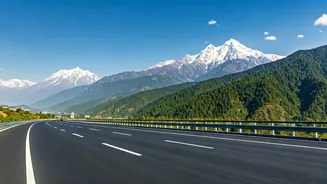
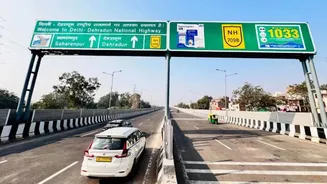
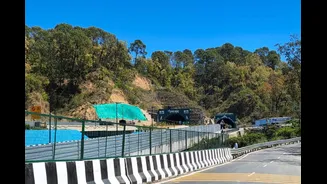
This expansive 6-lane expressway is designed for swift and seamless travel, traversing a diverse landscape that includes several key towns and regions. The corridor begins its journey from the iconic Akshardham temple in Delhi, marking the official starting point. From there, it winds its way through Loni and Khekra in Baghpat, before continuing through Baraut, Shamli, and Muzaffarnagar. Further along, the route passes through Saharanpur and Ganeshpur, finally concluding its stretch at Asharodi, which leads directly into Dehradun. These carefully selected entry and exit points are strategically placed to facilitate easy access for travelers originating from or heading to various localities along the path, ensuring broad connectivity across the region.
Convenience and Facilities
While the expressway is now fully operational for travel, it's important for travelers to note that some essential roadside amenities are still in the process of being fully established. This means that services such as petrol pumps, designated rest areas, public toilets, and dining establishments might not be entirely ready for immediate use across the entire stretch. While this may lead to minor inconveniences during the initial phase of its operation, these facilities are expected to be completed and functional shortly. These amenities are crucial for ensuring a comfortable and uninterrupted travel experience for all commuters using the Delhi-Dehradun Expressway.
Toll Charges and Payment
The Delhi-Dehradun Expressway is equipped with advanced toll collection systems, featuring 5 toll plazas that are fully enabled for FASTag payments. This ensures a quick and contactless tolling experience for motorists. For private vehicles, such as cars and sedans, the estimated one-way toll charge is expected to be in the range of Rs 670 to Rs 675. For those planning a return journey within a 24-hour period, a round trip toll might cost approximately Rs 1,000. It is advisable for travelers to confirm the exact charges and the operational status of each toll plaza before their journey, as not all plazas may be fully functional at this nascent stage of the expressway's opening.
Wildlife Conservation Corridor
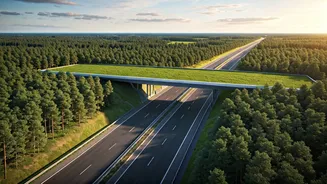
A remarkable feature of this 6-lane access-controlled expressway is its commitment to environmental preservation, particularly for wildlife. It boasts Asia's longest elevated wildlife corridor, spanning approximately 12 kilometers within the Rajaji National Park. This innovative design allows animals to move freely and safely across their natural habitat without interference from vehicular traffic. The elevated structure minimizes habitat fragmentation, thereby supporting the biodiversity of the region. This thoughtful integration of infrastructure with ecological considerations sets a precedent for future development projects, prioritizing both connectivity and conservation.
Future Expansion Plans
Looking ahead, there are ambitious plans to further extend the connectivity offered by the Delhi-Dehradun Expressway. An announcement has been made regarding a future extension of this vital corridor all the way to Mussoorie. This proposed expansion aims to significantly alleviate the persistent traffic congestion that often plagues the capital city of Uttarakhand. By providing an alternative and more efficient route, the extension is expected to ease travel to this popular tourist destination and improve overall mobility within the region, further enhancing its appeal and accessibility.