






Living Rock Marvel
Venture to Ellora Caves, a UNESCO World Heritage site, to witness a monumental feat of rock-cut architecture. Here, the Kailasa Temple (Cave 16) stands
as a colossal single-piece excavation, carved downwards from a solid cliff face. This incredible monolithic structure is dedicated to Lord Shiva and depicts intricate carvings from Hindu mythology, showcasing an unparalleled level of craftsmanship and devotion from the Rashtrakuta dynasty of the 8th century. The sheer scale and detail are breathtaking, representing a pinnacle of Indian rock-cut architecture. The temple complex itself is vast, with courtyards, pillars, and multi-storied structures all hewn from the living rock, creating an ethereal and awe-inspiring atmosphere that transports visitors back in time. It's not just a temple; it's an entire city carved from a mountain, a testament to human ingenuity and faith.
The Serpent's Sanctuary
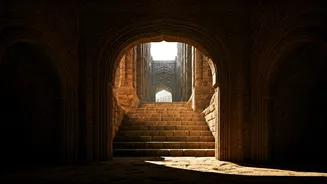
Journey to Sheshnag Temple in Gujarat, a serpentine marvel dedicated to the mythical serpent god. What makes this temple extraordinary is its foundation; it's built on a 7-foot deep foundation of 20,000 liters of milk. This practice is believed to have been initiated to appease the serpent deity and ensure the temple's stability and prosperity. The deity is enshrined in a subterranean chamber, accessible via a flight of stairs, adding an element of mystique. The temple's architecture, though perhaps less grand than some, is steeped in unique local traditions and beliefs, drawing devotees who believe in the protective and wish-granting powers of Sheshnag. The peculiar ritual of the milk foundation underscores the deep-rooted spiritual significance and the unique ways faith manifests in India.
The Whispering Walls
Discover the enigmatic Veerabhadra Temple in Lepakshi, Andhra Pradesh, renowned for its breathtaking murals and the mysterious 'Hanging Pillar'. This 16th-century Vijayanagara architectural masterpiece is adorned with vibrant frescoes depicting scenes from the Ramayana and Mahabharata, rendered with such skill that they seem to tell stories through their colors. The 'Hanging Pillar', a granite column suspended a few inches above the ground, continues to baffle engineers and visitors alike with its seemingly impossible construction. It's said that a British officer once tried to move it to understand its secret, but failed. The temple's intricate sculptures and the serene, almost magical ambiance make it a must-visit for anyone interested in history, art, and the unexplained wonders of India.
The Floating Wonder
Explore the floating temple of Loktak Lake in Manipur, home to the Shri Shri Loktak Maha-shakti mandir. This sacred site is not a typical temple but a unique structure situated on a floating island within India's largest freshwater lake. The temple's existence is intertwined with the natural rhythm of the lake, and it is accessed by boat, offering a serene and picturesque pilgrimage experience. The temple is dedicated to a local deity and plays a significant role in the spiritual life of the surrounding communities who depend on the lake's resources. The combination of natural beauty and spiritual devotion makes this a truly unusual and captivating destination, offering a glimpse into a life lived in harmony with nature and faith.
The Bullet Baba Shrine
Visit the intriguing Bullet Baba temple in Rajasthan, a shrine dedicated not to a deity, but to a motorcycle. The story goes that Om Singh Rathore, known locally as Om Baba, was riding his Royal Enfield motorcycle when he met with a fatal accident. After his arrest, the police confiscated his bike and took it to the station. However, the bike mysteriously returned to the accident site the next day. This phenomenon led locals to believe the bike possessed supernatural powers, and a temple was built in its honor. Devotees offer prayers and alcohol to the 'bullet shrine', believing the spirit of Om Baba protects travelers on the highway. It's a peculiar yet compelling example of how faith can manifest in the most unexpected ways.
The Rat Infestation
Journey to Karni Mata Temple in Deshnoke, Rajasthan, famously known as the 'Temple of Rats'. This temple is dedicated to Karni Mata, an early 15th-century Hindu warrior-saint. The remarkable aspect of this temple is that it houses an estimated 25,000 rats, referred to as 'kabbas'. These rats are considered sacred by the local Charan community and are fed and protected within the temple premises. While many find the concept unsettling, the rats are believed to be the reincarnated souls of the devotees. White rats are considered particularly auspicious. The temple complex itself is intricately carved and reflects the traditional Rajasthani architectural style, making it a unique blend of religious devotion and an unusual living phenomenon.
The Clay House
Explore the fascinating Kamakhya Temple in Guwahati, Assam, a revered Shakti Pitha dedicated to the goddess Kamakhya. This temple is unique not for its idols, but for its representation of the goddess's yoni (vagina) which is believed to be a natural spring within a cave. During the Ambubachi festival, the temple is closed for three days as it is believed that the goddess menstruates. After the menstruation period, the temple reopens, and a piece of cloth that has soaked the menstrual fluid is distributed among the devotees as a sacred blessing. This powerful symbolism and the unique rituals surrounding menstruation make Kamakhya Temple a site of immense spiritual significance and unconventional worship.
The Sky-High Sanctuary
Discover the architectural marvel of the Hanumangarh Fort's ancient temple in Haryana, built entirely of sand. This unusual structure, standing for centuries, defies conventional building materials. The temple's unique construction method, using sand as its primary component, has allowed it to withstand the test of time and weather, a testament to the ingenuity of its ancient builders. The intricate carvings and detailed artistry, all rendered in sand, are particularly striking. It serves as a place of worship and a living museum, showcasing an extraordinary example of what can be achieved with limited resources and a deep understanding of construction. The sheer persistence of this sand structure is a wonder in itself.
The Musical Pillars
Visit the Vijaya Vittala Temple in Hampi, Karnataka, a masterpiece of the Vijayanagara Empire, renowned for its unique musical pillars. These seven pillars, carved from single pieces of stone, produce distinct musical notes when struck. Each pillar is adorned with intricate carvings that depict various scenes from mythology and daily life. The temple complex also features a magnificent stone chariot, a stunning example of sculptural artistry. The engineering and acoustic brilliance behind these musical pillars continue to captivate visitors, offering a glimpse into the advanced scientific knowledge and artistic prowess of ancient Indian civilization, making it a truly harmonious blend of art, science, and spirituality.