




Rice Reimagined
Traditional rice, a cornerstone of diets globally, is predominantly carbohydrate-based and can lead to rapid blood sugar increases, posing challenges for
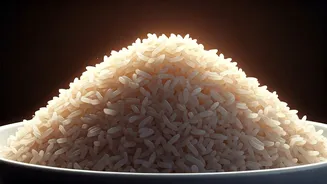
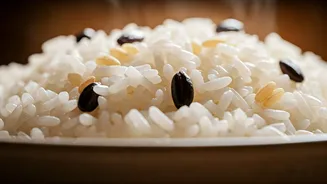
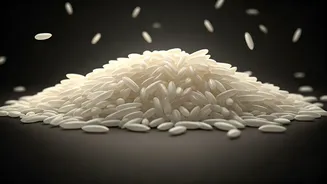
individuals with type 2 diabetes. Recognizing this, scientists at the CSIR – National Institute for Interdisciplinary Science and Technology in Thiruvananthapuram, Kerala, have embarked on a mission to transform this fundamental food. Their work has resulted in a novel 'designer rice,' a product of advanced food-processing techniques rather than genetic modification. This innovative grain is engineered to be significantly richer in protein, boasting over 20% compared to the 6–8% found in conventional varieties, while simultaneously maintaining a low glycemic index (GI) of below 55. This means the energy from the rice is released slowly, preventing sharp spikes in blood sugar levels, making it a promising dietary choice for diabetes management and overall metabolic health. The project aims to address malnutrition and provide a nutritionally superior alternative that retains the familiar taste and cooking characteristics of regular rice, thereby seamlessly integrating into existing culinary practices.
The Science Behind It
The creation of this designer rice involves a meticulous process of deconstruction and reconstruction of the grain's primary components: starch, protein, and fiber. Instead of genetically altering the rice, researchers employ sophisticated food-processing methods. They begin with broken rice, often a lower-value product, which is then ground into flour. This flour is then expertly blended with a substantial amount of protein and essential micronutrients, including iron, folic acid, and vitamin B12, directly embedding them into the grain's structure. Following this enrichment, the mixture is reformed into grains that are indistinguishable from traditional rice in appearance, texture, and taste. This 'fundamental re-architecture' ensures that the rice is not merely coated with nutrients but is intrinsically fortified. Dr. C. Anandharamakrishnan, Director of CSIR-NIIST and a key figure in the project, likens this transformation to rebuilding a house: traditional rice is like a structure made primarily of 'sugar bricks' (starch), while the designer rice incorporates 'protein beams' by reducing starch and increasing protein content. This approach aims to create a nutritionally dense food that acts as a proactive solution for metabolic well-being without demanding drastic dietary changes from consumers.
Nutritional Advantages Unveiled
The benefits of this advanced rice variant are multifaceted, primarily revolving around its enhanced protein content and low glycemic index. With protein levels exceeding 20%, it offers a significantly more substantial nutritional contribution than regular rice. This is particularly impactful in regions where rice is a staple food, as even minor improvements can have a considerable effect on overall health, helping to bridge everyday protein deficiencies, especially for vegetarians or those with limited access to diverse protein sources. Furthermore, the integration of iron, folic acid, and vitamin B12 directly into the grain structure addresses critical micronutrient gaps, aiding in the prevention of conditions like anemia. The low GI ensures that energy is released gradually, preventing post-meal sugar surges, which is a crucial factor for individuals managing type 2 diabetes. This sustained energy release also contributes to a greater sense of fullness, potentially aiding in weight management. The innovation is designed to be a cultural unifier, allowing people to continue enjoying their beloved rice dish with a significantly amplified nutritional profile, thereby promoting better muscle health, stable energy levels, and improved metabolic regulation.
Accessibility and Future Impact
A pivotal aspect of this groundbreaking development is its commitment to accessibility and widespread adoption. CSIR-NIIST has taken proactive steps to ensure this 'designer rice' reaches the public by officially transferring the technology to major industry players, such as Consumer Products Limited, paving the way for its commercialization and availability in local grocery stores. This strategic move aims to democratize access to this advanced nutritional product, making it a practical and affordable option for millions. The taste and culinary qualities have been carefully preserved, with Dr. Anandharamakrishnan even noting that the increased protein content enhances its flavor. This means individuals do not need to switch to expensive or unfamiliar foods like quinoa or salads to improve their nutrition; they can simply continue to consume rice, but with a threefold increase in its nutritional value. The rice is positioned not as a replacement for other healthy foods but as a significant enhancement to a staple, making healthier eating a more achievable goal for a vast population and contributing to a healthier India.