





The Dual Threat
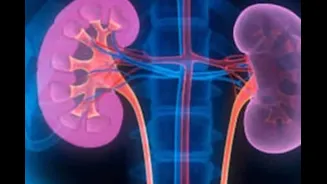
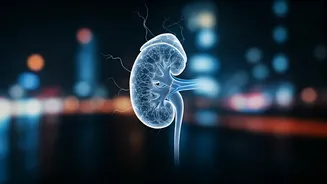
Preliminary research from SCB Medical College and Hospital, Cuttack, and Vimsar in Burla points to a concerning double threat for Chronic Kidney Disease
(CKD) in Odisha. While uncontrolled diabetes accounts for a substantial 30-40% of CKD cases, a significant 15% are now being attributed to the presence of heavy metals in drinking water. This revelation emerged from an extensive study examining 3,200 patients, where a considerable 480 individuals exhibited traces of heavy metals in their urine samples. Dr. Bibekananda Kar, a leading nephrology expert, observed these heavy metal contaminants during his investigations across districts like Cuttack, Balangir, and Jharsuguda, underscoring the widespread nature of this environmental hazard.
Understanding CKD Origins
The findings emphasize that while diabetes and hypertension are well-established primary drivers of CKD, an increasing focus is shifting towards CKD of unknown origin (CKDu). Many affected individuals, particularly agricultural workers, do not present with these traditional risk factors. Environmental influences, including contaminated water sources, prolonged exposure to heat leading to dehydration, and occupational hazards from agrochemicals, are being investigated as potential culprits. However, the precise etiological factors for these unknown cases remain a subject of ongoing research and uncertainty. Dr. Sukanto Kishore Das, a consultant nephrologist, highlighted the need for greater attention to these environmental factors in regions experiencing high CKD rates.
Key to Kidney Health
Preventing and managing CKD hinges on a multi-faceted approach. Dr. Kar advocates for eight fundamental rules for maintaining robust kidney health. These include maintaining regular physical activity, adopting a healthy diet, ensuring adequate hydration, rigorously controlling blood glucose levels, effectively managing blood pressure, abstaining from smoking, adhering to prescribed medications, and undergoing routine kidney function tests. The study's implications suggest that ensuring access to safe and potable drinking water in areas with high CKD prevalence could significantly mitigate the number of new cases. Early detection through regular screening, especially for high-risk populations, coupled with the adoption of healthy lifestyle practices, and timely access to advanced treatments like dialysis and kidney transplantation, are crucial for improving patient outcomes and quality of life.