






Celebrity Food Quirks
Actor Ishaan Khatter, known for his role in 'The Royals,' recently opened up about his travel eating habits, admitting that while he doesn't typically
consider himself prone to homesickness, extended periods away from home, even up to 2.5 months during shooting schedules, eventually stir a desire for familiar Indian dishes like 'dal chawal' or 'roti.' He contrasts this with his brother, actor Shahid Kapoor, who, according to Ishaan, can only manage about four days before experiencing an intense need for Indian cuisine. This personal anecdote highlights a common human experience, even among those who seem to embrace new environments readily. Ishaan's own threshold of 2 to 2.5 months showcases a significant difference in how individuals cope with being away from their native food culture.
Beyond Taste Buds
Psychotherapist Dr. Chandni Tugnait explains that the strong urge to have Indian food while abroad is far more complex than just a preference for taste; it’s a sophisticated interplay of biological predispositions, deeply ingrained upbringing, and individual personality traits. She notes that individuals like Shahid Kapoor find solace and comfort in adhering to their traditional foodways, a stark contrast to those like Ishaan Khatter who tend to adapt to new culinary landscapes more fluidly. Understanding these underlying factors, she suggests, can empower travelers to better prepare for their journeys, whether through strategic packing of essential spices or by consciously training their palates to be more receptive to different flavors before embarking on their trips.
Early Imprints Matter
Our earliest food experiences lay a foundational blueprint for our lifelong culinary preferences. Dr. Tugnait emphasizes that individuals who were nurtured in homes where Indian cuisine was not merely sustenance but an integral part of cultural celebrations and daily rituals develop a profound emotional connection to these flavors. This early imprinting creates a deep-seated association between food and feelings of belonging, comfort, and identity, making the absence of these familiar tastes during travel particularly challenging. The scent of spices, the texture of roti, or the comforting warmth of dal can evoke powerful memories and a sense of home that is difficult to replicate with foreign dishes.
Gut Health's Role
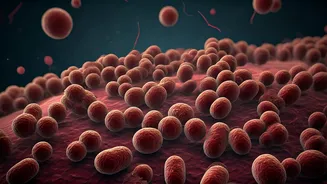
The intricate ecosystem of our gut microbiome plays a surprisingly significant role in dictating our food cravings. Regular exposure to the diverse spices and fermented products common in Indian cuisine, such as curd and various pickles, cultivates a unique community of gut bacteria that thrives on these specific nutrients and flavors. Dr. Tugnait points out that a sudden and drastic shift in diet can lead to digestive discomfort, prompting the gut to signal for the familiar components it's accustomed to. Conversely, individuals with a more varied gut flora, often a result of diverse dietary habits, tend to exhibit greater adaptability and experience fewer cravings for their native cuisine when exposed to new foods.
Flavor Profiles & Sensitivity
Indian culinary traditions are renowned for their robust and multifaceted flavor profiles, often characterized by spicy, tangy, and umami notes. Dr. Tugnait highlights that individuals who are accustomed to these intense taste sensations may perceive Western or other cuisines as comparatively 'bland,' leading to a feeling of dissatisfaction. Conversely, those with a naturally lower level of sensory sensitivity or who find pleasure in more subtle and delicate flavors are generally more adept at adjusting to different culinary environments without experiencing significant cravings for the bold tastes of home. This difference in flavor perception is a key factor in how individuals react to foreign food.
Mindset and Adaptability
Personal psychology and an individual's inclination towards new experiences significantly influence their ability to adapt to eating abroad. People who approach food with a sense of adventure and curiosity, viewing meals as an opportunity for exploration rather than a deprivation, are often more successful in navigating unfamiliar culinary territory. This open-mindedness and psychological flexibility allow them to embrace local cuisines and mitigate strong cravings for home food. It suggests that a positive and adaptable mindset can be as crucial as any practical preparation when it comes to food during travel.
Social and Situational Influences
The social context surrounding meals can profoundly shape eating habits and cravings. Dr. Tugnait observes that individuals traveling alone or primarily interacting with non-Indian companions may find themselves adapting more quickly to local food scenes as a way to integrate and 'fit in.' In contrast, those who are part of a close-knit family group or a larger Indian community abroad often find themselves drawn to familiar Indian meals, which serve as a vital tool for maintaining social bonds, fostering a sense of community, and preserving cultural connections during their time away from home.