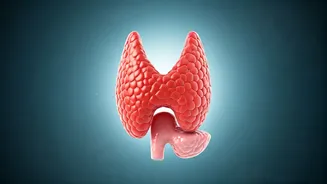







Thyroid's Key Role
The thyroid gland, often underestimated, is vital for bodily functions. Located in the neck, it produces hormones that regulate metabolism, growth, and development.
When this gland falters, it can lead to a range of health issues. Thyroid disorders, which are more common than many people realize, can manifest in various ways, affecting everything from energy levels to weight management. Understanding the thyroid's function and recognizing potential problems are crucial first steps in maintaining overall well-being. Regular check-ups with a healthcare professional are essential to monitor thyroid health. It is advisable to consult a doctor before undergoing any thyroid tests.
Thyroid Disorders' Variety
Thyroid disorders encompass a spectrum of conditions. The most common include hypothyroidism (underactive thyroid) and hyperthyroidism (overactive thyroid). Hypothyroidism often results from the thyroid not producing enough hormones, leading to fatigue, weight gain, and depression. Hyperthyroidism, conversely, can cause rapid heart rate, anxiety, and weight loss. Other issues involve nodules or inflammation. Symptoms may vary, hence why it’s imperative to discuss any concerns with a doctor to get an accurate diagnosis. The medical field has recognized the importance of early detection and proactive management, stressing the need for expert guidance.
Consult Before Testing
Before undergoing any thyroid tests, consulting with a healthcare professional is crucial. Thyroid test results can be complex. Consulting a doctor allows for an evaluation of your symptoms, medical history, and risk factors. They can determine if testing is necessary and choose appropriate tests. Self-diagnosing or interpreting test results without professional guidance can be misleading. A doctor can then accurately interpret results. Furthermore, the healthcare provider will be able to recommend the correct course of action, which could be anything from medication to lifestyle adjustments, tailored to the patient's individual needs. This ensures a more effective approach.
Nuclear Medicine's Role
Nuclear medicine has played a pivotal role in treating thyroid diseases. The development of radioactive iodine therapy provided an effective treatment for hyperthyroidism and certain thyroid cancers. Radioactive iodine works by targeting and destroying thyroid cells, helping to control hormone production. Nuclear medicine's use has improved over time. It offers advanced diagnostic tools, such as scans that visualize thyroid function, helping clinicians to make informed decisions about treatment. Modern nuclear medicine techniques deliver precise and targeted therapies. This approach has significantly improved outcomes for patients with thyroid disorders, underscoring its continued importance in thyroid health management.
Regular Check-ups Needed
Regular check-ups are essential for maintaining thyroid health and detecting issues. These check-ups typically involve a physical examination and blood tests to assess thyroid hormone levels. Through this, any changes or abnormalities are identified early on. Early detection facilitates timely intervention, such as medication adjustments or other treatments, which prevent symptoms from worsening. People with a family history of thyroid disorders, those experiencing symptoms like fatigue or weight changes, and those with autoimmune diseases should be more diligent about check-ups. Regular monitoring allows healthcare providers to effectively manage and prevent complications.