





A Pocket-Sized Powerhouse
In February, NASA engineers at the Jet Propulsion Laboratory sent a triumphant "Hello Universe" message, marking a significant milestone with the first
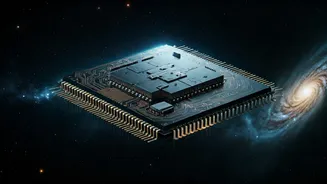
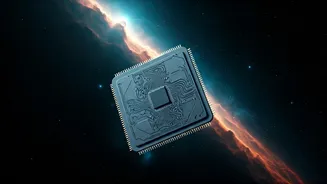
full test of their High Performance Spaceflight Computing (HPSC) processor. This compact chip, about the size of a smartphone component, integrates multiple CPU cores, memory, and networking capabilities. Unlike the powerful processors in our everyday devices which would be quickly destroyed by the harsh conditions of space, the HPSC is engineered to withstand intense cosmic radiation. Traditional space-grade computers, prioritizing longevity over speed due to the impossibility of on-site repairs, often rely on designs that are decades old. The HPSC aims to revolutionize this by offering an astonishing 500 times the performance of current radiation-hardened chips, all while maintaining the crucial fault tolerance necessary for long-duration missions, ensuring spacecraft can operate reliably for years in the unforgiving environment of space.
Autonomy in the Void
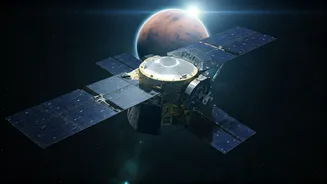
The advent of the HPSC processor is set to redefine what is possible for robotic explorers in deep space. Imagine a Mars rover discovering a scientifically significant rock formation; under current technology, it would need to transmit images back to Earth, wait for human analysis, and then receive commands for the next steps. This process can take considerable time. The HPSC eliminates this critical delay by enabling spacecraft to execute advanced artificial intelligence algorithms directly onboard. This allows for immediate identification of scientific targets, real-time hazard avoidance during maneuvers, and on-the-spot scientific decision-making. Future lunar landers could autonomously adjust their landing trajectories, and probes venturing far into the solar system could process and compress vast amounts of sensor data, transmitting only the most critical discoveries back to Earth, dramatically increasing mission efficiency and scientific return.
Built for the Extremes
To ensure its readiness for the rigors of space travel, the HPSC processor is undergoing an exhaustive battery of tests that simulate the most challenging conditions it might encounter. Engineers are deliberately exposing the chip to intense radiation bombardment, extreme temperature fluctuations, and violent vibrations equivalent to those experienced during rocket launches. This comprehensive stress-testing utilizes actual data from past space missions to replicate realistic operational workloads. Simultaneously, NASA and its collaborator, Microchip Technology, are meticulously validating every single circuit within the processor. This rigorous validation process is essential to guarantee the chip's resilience and reliable performance throughout its operational life in the unforgiving environment of space, where component failure can mean mission loss.
Beyond NASA's Reach
The impact of this groundbreaking HPSC processor extends far beyond the immediate needs of NASA's space exploration endeavors. Microchip Technology, involved in the development of this advanced system, plans to adapt its radiation-hardened design for use in other demanding sectors. Specifically, the technology is slated for integration into aviation and automotive systems. This means that the same level of reliability and robustness proven in the harsh vacuum of space could soon enhance the safety and performance of aircraft and vehicles on Earth. As humanity continues to push the boundaries of space exploration, sending more autonomous missions to increasingly distant destinations, this compact, intelligent computing core represents a vital upgrade, transforming remote-controlled machines into truly independent and discerning explorers of the cosmos.