




The Spice Revelation
In the bustling culinary landscape of Hyderabad, where biryani reigns supreme, a recent revelation from a wedding cook has sent ripples of excitement and intrigue
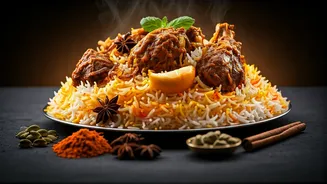
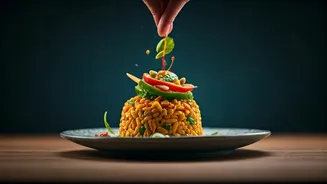
through the food community. This seasoned chef, responsible for crafting the beloved layered rice dish for large-scale celebrations, shared a surprisingly simple secret to achieving that coveted, authentic Hyderabadi biryani taste. According to a widely shared video, the master cook attributes the dish's exceptional flavor profile not to an extensive arsenal of spices, but to the judicious use of just four fundamental aromatics. This approach challenges the common notion that more spices equate to a richer taste, instead advocating for a refined method that allows the natural essence of the premium ingredients like tender meat and fragrant rice to truly express themselves. The cook's minimalist philosophy emphasizes enhancing, rather than overpowering, the core components of this iconic Indian delicacy. This focus on restraint is particularly noteworthy in the context of traditional wedding biryanis, which are often slow-cooked in large vessels over wood fires, a method that inherently builds deep, complex flavors with fewer individual spice additions.
The Core Four Spices
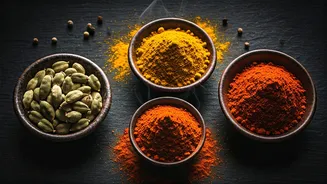
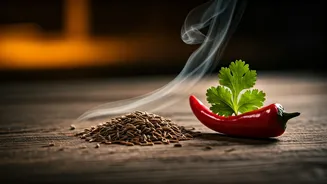
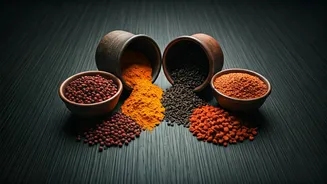
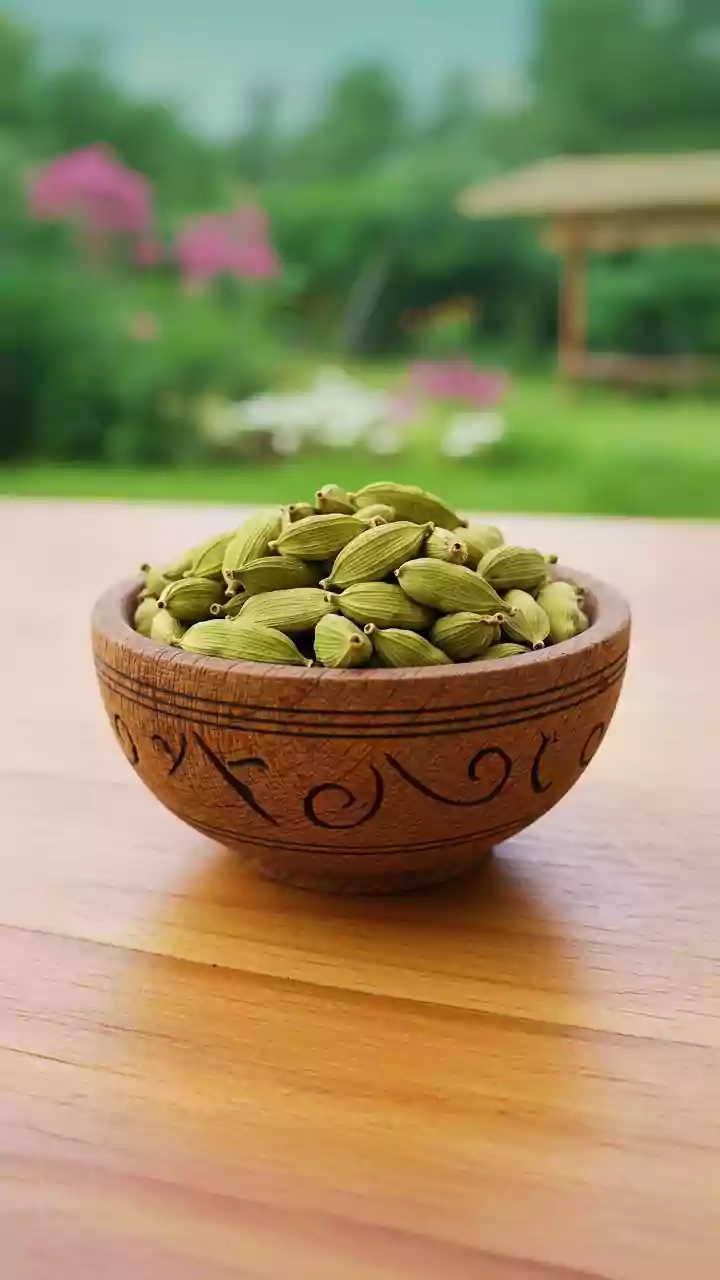
The celebrated Hyderabadi wedding cook distilled the essence of perfect biryani down to a quartet of readily available spices: Daalchini (cinnamon), Laung (cloves), Shahi jeera (black cumin), and Hari elaichi (green cardamom). This carefully selected group forms the backbone of the flavor profile, each contributing a distinct yet harmonious note. Cinnamon provides a gentle warmth and subtle sweetness, creating a comforting base. Cloves introduce a pungent, earthy depth that adds a layer of complexity. Shahi jeera, also known as black cumin, offers a unique, slightly smoky, and nutty undertone that differentiates it from common cumin. Finally, green cardamom lends its bright, floral, and aromatic notes, infusing the dish with a refreshing lift. When used in precise moderation, these four spices work synergistically to elevate the natural flavors of the rice, meat, and ghee, resulting in a balanced and deeply satisfying biryani experience. The cook’s dismissal of additional, often overpowering, spices underscores the traditional Hyderabadi approach, which prioritizes the inherent quality of the primary ingredients.
Simplicity Over Complexity
The wisdom shared by the Hyderabad wedding cook highlights a fundamental principle often overlooked in contemporary cooking: the power of simplicity. The common tendency, especially for home cooks, is to assume that a more extensive spice list will yield a superior biryani. This often leads to a muddled flavor profile where individual spice notes clash, creating a dish that is heavy and indistinct. By limiting the spice repertoire to just cinnamon, cloves, black cumin, and green cardamom, the cook ensures that the primary flavors of the meat and rice are not masked but are, in fact, amplified. This controlled approach allows the subtle nuances of each ingredient to shine through, enhanced by the richness of ghee and the foundational aromatics. Wedding biryanis, traditionally prepared with a focus on slow cooking in large 'deghs' over wood fires, naturally develop profound, smoky layers and a cohesive taste that benefits immensely from this restrained use of spices. This method not only simplifies the cooking process but also allows the authentic character of Hyderabadi biryani to be appreciated in its purest form.
Regional Debates Ensue
The unveiling of this four-spice secret for Hyderabadi biryani, shared by Chef Velton Saldanha on Instagram, predictably ignited a vibrant discussion among biryani aficionados across social media platforms. While many embraced the cook's minimalist approach as a brilliant shortcut to authentic flavor, others passionately defended regional variations and the inclusion of additional ingredients. Comments ranged from applause for the elegance of simplicity to spirited debates about the distinctive elements of biryanis from other culinary hubs, such as the inclusion of potatoes in Kolkata-style biryani or the subtle tartness often found in Lucknowi preparations. The Hyderabadi style itself, with its Mughlai heritage, traditionally emphasizes the 'dum' cooking technique, where flavors are allowed to meld slowly under sealed heat, creating an unparalleled depth. For home cooks inspired by this revelation, it serves as a potent reminder to perhaps move away from pre-packaged biryani masala mixes, which often contain a generic blend of spices, and instead experiment with whole, fresh spices to achieve a more nuanced and authentic taste that truly honors the rich legacy of this beloved dish.