



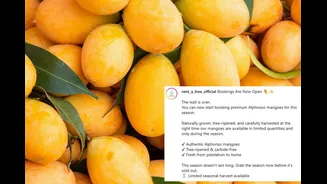


A New Way to Mango
As the Indian summer arrives, mangoes are a quintessential part of daily life, usually discussed in terms of taste, cost, and variety. However, a novel
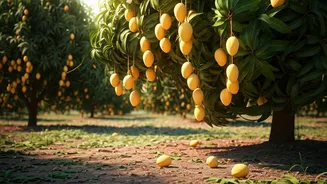
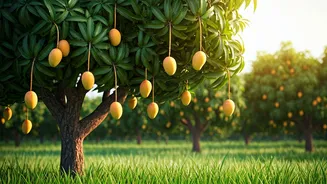
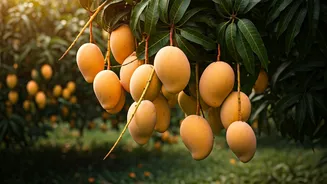
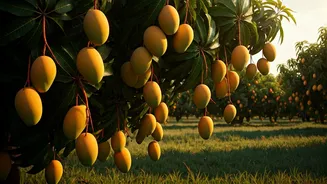
concept is emerging, shifting the focus from merely purchasing fruit to establishing a direct connection with a single mango tree for the entire fruiting period. This innovative approach allows individuals to lease a mango tree for a single season, offering a unique way to experience the bounty of summer. The process is designed for ease, with customers able to browse and select a tree online from various orchards. Initial costs are reported to be around ₹10,300, with the benefit of receiving the entire season's yield from the chosen tree, potentially amounting to as much as 90 kilograms of mangoes, depending on the tree's natural productivity.
Orchard to Home Process
The operational framework of this 'rent-a-tree' initiative involves orchards situated in prominent mango-growing regions across India, including Maharashtra, Tamil Nadu, and Kerala. The farmers engaged in this venture continue to manage all aspects of tree care, from nurturing the trees throughout the year to the crucial task of harvesting the fruit. Mangoes are permitted to ripen naturally on the tree, ensuring optimal flavor and quality. Once harvested and deemed ready, the fruits are meticulously packed and then delivered directly to the customer's residence. This entire seamless process is managed remotely, eliminating the need for customers to visit the farms personally at any stage.
Consumer and Farmer Benefits
This novel concept has garnered significant attention due to its departure from conventional fruit purchasing methods. The idea of 'owning' a mango tree, even temporarily, appeals to urban dwellers, offering a sense of connection and exclusivity. Beyond the novelty, the underlying philosophy highlights the potential of simple ideas to foster a renewed link between people and the agricultural world. Urban consumers gain access to fresh, seasonal produce, while farmers or landowners benefit from a stable and predictable income stream, insulated from market price volatility. This model also holds promise for the preservation of local orchards and the promotion of sustainable farming practices. When scaled effectively, such initiatives could fundamentally alter our perceptions of food ownership and the farm-to-home supply chain.