




Beat the Cold
Older adults often struggle with regulating body temperature, making plane cabins feel significantly colder. To combat this, it's wise to pack a warm,
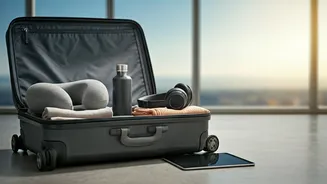
lightweight blanket or a versatile garment that can serve as an extra layer. Many travel blankets are designed to be compact and include features like luggage sleeves for easy transport, doubling as a pillow when needed. Layering clothing is also a smart strategy; a cardigan, poncho, or shawl made from soft, breathable materials like bamboo-sourced viscose offers warmth without bulk, easily transforming into a cozy blanket mid-flight. These adaptable items ensure comfort in varying cabin temperatures.
Confidently Navigate
Seniors may find themselves moving more slowly through airports and on planes, which can inadvertently cause delays. To enhance mobility and confidence, consider a portable and sturdy cane. Look for models that are designed to be compact, fitting easily under the seat in front of you, eliminating the need to retrieve it from overhead bins or rely on flight attendants. A freestanding cane offers additional stability not just in narrow airplane aisles but also while standing in queues, providing a sense of security and independence throughout the travel process. Many passengers have found these canes to be invaluable aids.
Stay Hydrated Easily
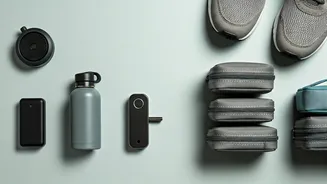
Maintaining adequate hydration is crucial for everyone, but especially for seniors whose kidneys may be less efficient and who might be taking medications that can increase fluid loss. A reusable water bottle is an indispensable travel companion. Opt for one with encouraging reminders to drink throughout the day and a leak-proof lid. The ideal size is one that holds enough water to minimize frequent refills but remains convenient to carry. Staying hydrated helps with overall well-being and can mitigate many discomforts associated with air travel, ensuring a smoother journey.
Comfortable Feet
Long flights can lead to swollen feet and ankles, and for seniors, there's an increased risk of deep vein thrombosis. Wearing compression socks is a medically recommended solution to improve circulation and reduce swelling. While some compression socks can be challenging to put on, the benefits of preventing discomfort and potential health issues are significant. The effort involved in wearing and removing them is often outweighed by the relief they provide, ensuring legs and feet feel less tired and swollen at the destination. Choosing socks with adequate compression is key for these benefits.
Lighten Your Load
Many seniors inadvertently struggle with heavy carry-on luggage, which can be difficult to lift and maneuver. Airlines are not obligated to assist with lifting bags due to liability concerns. Opting for lightweight luggage is a practical solution. Consider carry-on bags made from durable yet light materials like polycarbonate, or explore softside options that are even lighter. Some bags are designed to be smaller, naturally limiting how much can be packed, while others feature robust wheels and handles that can even offer support while walking through the airport. Choosing intelligently can significantly reduce physical strain.
Ease Ear Pressure
Air pressure changes during flights can cause significant discomfort, particularly for seniors, as the eustachian tubes in the inner ear become stiffer with age, making it harder to equalize pressure. While chewing gum can help, specialized earplugs designed to regulate pressure offer a more consistent solution. These earplugs are engineered to manage the pressure fluctuations experienced during take-off and landing, significantly reducing the sensation of 'ear popping' and discomfort. They can be a game-changer for anyone prone to ear issues during flights, including children.
Cushion Your Seat
As individuals age, they may experience a loss of natural cushioning, making hard airplane seats particularly uncomfortable. Carrying a portable seat cushion can dramatically improve comfort on long journeys. Memory foam cushions are a popular choice, providing ample support and reducing pressure on the sit bones. These cushions are typically designed to be compact and easy to carry in a carry-on bag, making them a practical addition to any senior traveler's packing list, ensuring a much more pleasant flight experience, even in economy class.
Handy Tissues
It's a good idea to keep tissues readily accessible during flights. Airlines may not always provide them, and they serve numerous purposes beyond a runny nose. Tissues are useful for wiping spills, cleaning eyeglasses, or even as a makeshift substitute if lavatory supplies are depleted. They offer a more hygienic and convenient option compared to traditional handkerchiefs, ensuring personal comfort and readiness for minor inconveniences that can arise during air travel.
Track Your Belongings
Seniors sometimes misplace items in the busy environment of an airport or on the plane. Investing in item trackers can provide peace of mind by helping to locate misplaced belongings, whether left in a restroom or at a gate. These small devices can be attached to keys, bags, or other essentials, and their location can often be shared with family members, enabling collaborative searching efforts. This technology significantly reduces anxiety over lost items and helps ensure nothing important is left behind during the journey.
Secure Your Meds
A crucial piece of advice for all travelers, especially seniors, is to pack all medications in their carry-on luggage rather than checked baggage. This ensures that essential medicines are always accessible and not lost in transit. Using a well-organized pill organizer can keep all necessary prescriptions in one secure place. Features like magnetic closures make these organizers easier to operate for those with arthritis, while still ensuring the contents remain safe and spill-free, even if the bag is jostled or dropped.