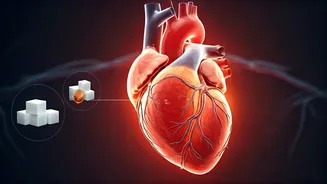








Obesity as Chronic Disease
Modern medicine is reclassifying obesity, moving away from viewing it as a mere lifestyle choice and acknowledging it as a chronic, relapsing condition
affecting multiple bodily systems, much like hypertension or diabetes. This complex illness arises from an interplay of genetic predispositions, hormonal regulation, dietary habits, physical activity levels, sleep quality, stress, and environmental influences, particularly the 'obesogenic environment' that promotes consumption of calorie-dense foods while discouraging physical exertion. Effectively managing obesity necessitates a holistic strategy that addresses these intertwined factors. In India, the escalating rates of obesity, diabetes, and cardiovascular diseases underscore the urgency of treating obesity as a significant health concern rather than a superficial issue. Early recognition and intervention in India are vital for mitigating the burden of non-communicable diseases, as untreated obesity significantly elevates the risk of conditions such as type 2 diabetes, heart disease, sleep apnea, osteoarthritis, fatty liver disease, and depression. The body's inherent biological mechanisms also contribute to weight maintenance; hormonal and metabolic shifts can stimulate appetite and reduce satiety, making weight loss challenging and regain more probable due to the body's defense of its set point. This biological resistance highlights the necessity of ongoing medical support and tailored long-term strategies for successful weight management.
Understanding GLP-1 Therapy
GLP-1 therapies harness the body's natural appetite and metabolic regulation by mimicking the action of glucagon-like peptide-1 (GLP-1), a hormone released by the gut after eating. This hormone plays a critical role in signaling fullness to the brain, managing blood sugar levels, and balancing energy expenditure. By emulating this natural hormone, GLP-1 medications help patients feel satiated sooner, reduce overall appetite, and enhance blood glucose control. This approach offers a distinct advantage over traditional weight management methods that rely primarily on behavioral modifications. However, it is crucial to understand that these therapies are most effective when integrated into a comprehensive treatment plan that includes nutritional guidance, physical activity, behavioral support, and consistent medical supervision. Emerging research also points to potential additional health benefits associated with certain GLP-1-based treatments, extending beyond weight reduction to improvements in cardiovascular and metabolic health markers.
Impact on Health Outcomes
GLP-1 therapy represents a paradigm shift in obesity treatment by directly addressing the underlying biological mechanisms of the disease, rather than solely focusing on behavioral changes. For many suitable individuals, these therapies, when combined with dietary adjustments, exercise regimens, and sustained clinical monitoring, can facilitate significant and meaningful weight reduction. While the extent of weight loss can vary based on the specific medication and individual patient characteristics, the most profound benefits lie in the improvements observed in metabolic health. These include better control of blood sugar levels, reduced blood pressure, enhanced mobility, and improved sleep quality. The overarching objective of these treatments is to enhance overall health and quality of life, rather than to achieve a specific aesthetic body image. Responsible and ethical application of GLP-1 therapies, alongside lifestyle interventions and comprehensive support, is key to unlocking their full potential. The future of obesity management lies in this synergistic approach, combining scientific innovation with compassionate, patient-centered care to foster a healthier society.