



Bharti's Kitchen Wisdom
In a candid conversation, television personality Bharti Singh revealed a deliberate choice she’s made regarding her kitchen staples. She exclusively utilizes
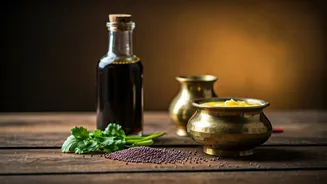
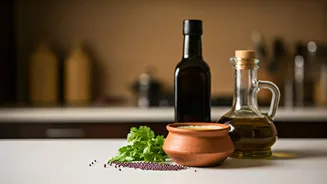
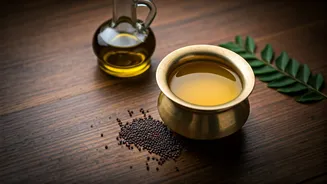
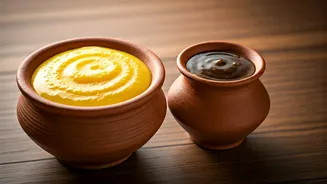
either desi ghee or sarson ka tel (mustard oil) for all her culinary preparations, eschewing modern refined or so-called 'sweet' oils. Bharti explained that her cooking routine consistently features dishes prepared with either the rich, aromatic desi ghee or the pungent, robust mustard oil, highlighting that these two are the sole occupants of her pantry for cooking purposes. This commitment to traditional cooking fats stems from a desire to embrace time-tested ingredients, reflecting a belief in their inherent goodness and suitability for everyday meals. Her approach emphasizes simplicity and authenticity in everyday cooking, a practice many are now exploring for its connection to heritage and perceived health benefits.
Expert Nutritionist's View
Consultant dietitian Garima Goyal weighed in on the trend of exclusively using desi ghee and mustard oil, advising a balanced perspective rather than blind adherence. Goyal acknowledged that both ghee and mustard oil are indeed traditional Indian fats with distinct advantages. Mustard oil is lauded for its beneficial monounsaturated and omega-3 fatty acids, along with its anti-inflammatory properties, making it a sound choice for cardiovascular health. Desi ghee, conversely, is a powerhouse of fat-soluble vitamins such as A, D, E, and K, and when consumed judiciously, it can contribute positively to gut health. The dietitian stressed that the mere substitution of oils does not automatically guarantee a healthier diet; the overall dietary pattern, cooking methods, and, crucially, the quantity used are paramount. She emphasized that even nutrient-rich fats, when consumed in excess, can lead to an unhealthy caloric surplus, potentially hindering health and fitness objectives.
Mindful Usage is Key
Garima Goyal further elaborated on the potential pitfalls associated with the exclusive use of these traditional oils, emphasizing the critical importance of moderation and proper handling. She pointed out that mustard oil, if subjected to excessively high temperatures or used liberally, can still pose health challenges. Similarly, ghee, being calorie-dense, offers a deceptive ease of overconsumption, often happening unnoticed due to its palatable taste. Therefore, vigilant portion control becomes indispensable for both fats to reap their benefits without adverse effects. Goyal also highlighted that the pervasive issue in many modern diets isn't necessarily the type of oil used, but rather the prevalent consumption of ultra-processed foods and the detrimental habit of repeatedly heating and reusing cooking oils. Completely eradicating refined oils might not always be the most practical or necessary step for overall dietary improvement.
Balanced Approach to Fats
From a nutritional standpoint, the most beneficial strategy involves incorporating a diverse range of fats into one's diet, rather than relying on a single type. Garima Goyal advocates for maintaining a mindful approach to visible fat intake and consciously avoiding unhealthy cooking practices such as deep-frying or the repeated heating of oils, which can degrade their quality and create harmful compounds. While Bharti Singh's preference for desi ghee and mustard oil is rooted in valuable traditional culinary wisdom, the ultimate lesson extends beyond simply selecting these specific oils. The true takeaway emphasizes the significance of mindful application, achieving a harmonious balance in one's overall dietary habits, and maintaining consistency in healthy eating practices. This holistic perspective ensures that the fats we choose contribute positively to our well-being without compromising health goals.