





Cholesterol’s Vital Role
Many people have come to view cholesterol as inherently harmful, leading to immediate medical intervention at relatively low levels. However, this perspective
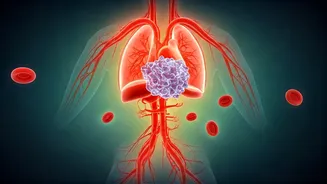
overlooks its fundamental importance for human survival and bodily functions. Cholesterol is not solely derived from dietary intake; in fact, a significant 85% is synthesized internally by our own bodies. This endogenous production highlights its essential nature. Beyond its structural role, cholesterol is a critical component of our immune system, actively participating in fighting off infections, deactivating bacteria, and protecting against cellular damage. It also plays a part in recovery processes from illnesses and potentially mitigates risks for conditions like Alzheimer’s. Its levels naturally fluctuate, often increasing during colder months and in response to physiological stressors such as infections, surgeries, or even emotional stress, declining when the body is at rest.
Good vs. Bad Cholesterol
The common dichotomy of ‘good’ and ‘bad’ cholesterol, represented by HDL and LDL respectively, often fuels misunderstanding. Cholesterol itself is not a detrimental substance; it’s indispensable for producing vital hormones, synthesizing Vitamin D, and maintaining the integrity of cell membranes. The concern arises from the type and amount of cholesterol circulating in the bloodstream. LDL (Low-Density Lipoprotein) cholesterol is dubbed ‘bad’ because its excess can accumulate within artery walls, progressively narrowing them and impeding blood flow. Conversely, HDL (High-Density Lipoprotein) is termed ‘good’ as it assists in transporting cholesterol away from the arteries, thereby helping to clear potential blockages.
Holistic Approach to Heart Health
Focusing on individual food items or a single blood test result to assess heart disease risk is an oversimplification. Cardiologists are more concerned with sustained patterns of living that contribute to cardiovascular issues. These include a combination of factors such as a consistently poor diet, habitual smoking, insufficient physical activity, existing conditions like diabetes, chronic stress, inadequate sleep, and being overweight. Attributing heart disease risk solely to foods like eggs or ghee ignores the broader picture. True heart health is cultivated through an integrated lifestyle that addresses metabolic well-being rather than fostering an irrational fear of specific nutrients.
Interpreting Cholesterol Readings
Persistent elevations in cholesterol, particularly LDL and triglycerides, are a cause for concern as they can accelerate the development of plaque within the arterial walls. However, medical professionals do not interpret cholesterol readings in isolation. A slightly elevated cholesterol level in a young, healthy individual may present a different risk profile compared to the same reading in someone with pre-existing conditions like diabetes, hypertension, a history of smoking, or a family predisposition to heart disease. Genetic factors also significantly influence cholesterol levels, sometimes necessitating early intervention with medication even with a healthy lifestyle.
Fluctuations and Advanced Markers
It’s medically recognized that cholesterol levels can fluctuate more than commonly understood. Acute illnesses, infections, surgical procedures, significant physical stress, dehydration, rapid weight loss, and certain medications can temporarily alter lipid profiles. Emotional stress can also indirectly impact these levels through hormonal changes and detrimental lifestyle adjustments. Consequently, a single abnormal test result should not precipitate panic; doctors often repeat tests after a period of recovery or stabilization to make informed long-term decisions. Modern cardiology emphasizes a comprehensive assessment beyond total cholesterol, incorporating LDL, triglycerides, HDL, waist circumference, blood sugar, blood pressure, inflammatory markers, and lifestyle habits. Advanced tests like hs-CRP, serum homocysteine, Lipoprotein(a), ApoA, and ApoB can further reveal hidden inflammation, genetic predispositions, and particle-specific risks not apparent in standard reports.