

The Science of Tanning
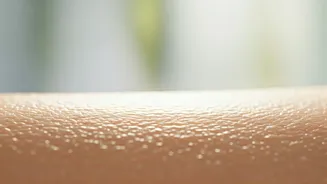
Exposure to the sun's ultraviolet (UV) rays triggers your skin's natural defense mechanism: an increase in melanin production. This pigment absorbs UV radiation,
acting as a protective shield for your cellular DNA against damage. While tanned skin is a sign of this defense, it typically fades over a three-to-four-week period as dead skin cells are naturally shed. However, this natural fading process can feel too slow when you're eager to restore your skin's original complexion. Fortunately, you can expedite this natural renewal process by harnessing the power of ingredients found right in your kitchen, applying dermatological principles to traditional remedies without resorting to costly salon procedures.
Protecting Your New Skin
It's crucial to understand that any method aimed at accelerating skin cell turnover, essentially removing the outer layer of tanned skin, will reveal fresh, delicate new skin underneath. This newly exposed layer is exceptionally vulnerable. Without adequate protection, such as a broad-spectrum SPF 50 sunscreen, this sensitive skin can instantly re-tan or even burn severely if exposed to sunlight. Therefore, safeguarding this freshly revealed skin is paramount. Once it is properly protected, you can then confidently utilize natural kitchen ingredients to complete the tan removal process and restore your skin's natural radiance and health.
Heritage Mixes for Skin
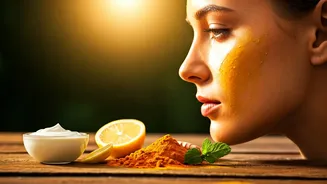
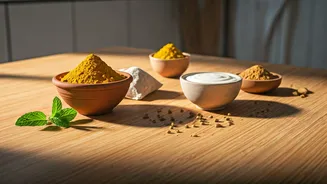
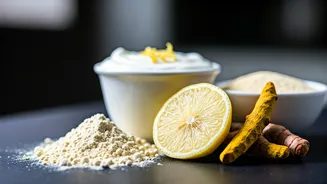
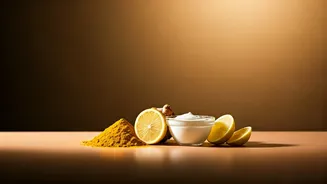
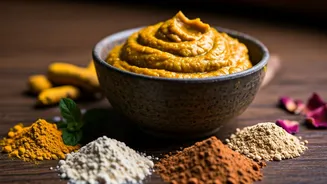
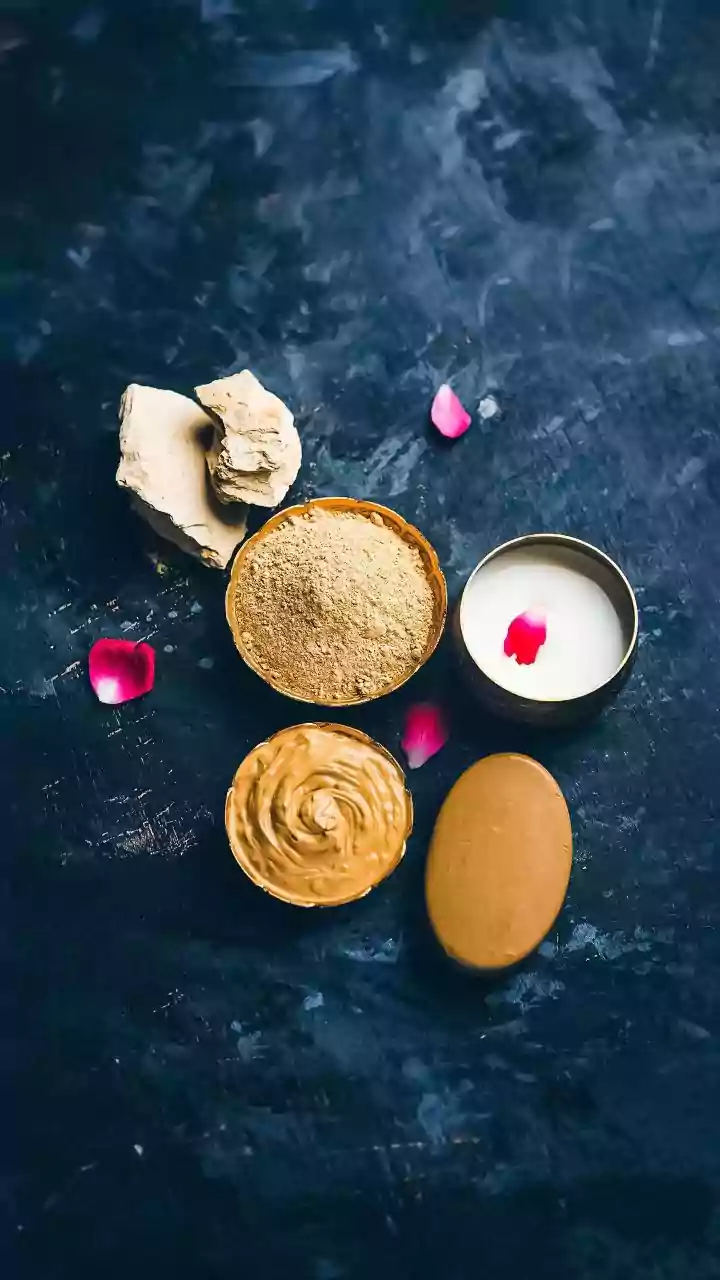
To achieve noticeable results in removing sun tan, it's best to use a combination of ingredients that work synergistically. For individuals with normal to oily skin types, a time-tested blend can be prepared by mixing two tablespoons of gram flour (besan) with one tablespoon of plain yogurt and a minuscule pinch of turmeric. The yogurt provides gentle chemical exfoliation due to its lactic acid content, the gram flour acts as a physical scrub to remove dead cells, and the turmeric offers its potent antioxidant and brightening properties. For those with sensitive or dry skin, a different approach is recommended: mash a ripe papaya and combine it with a spoonful of fresh aloe vera gel. This hydrating concoction leverages the papaya's natural enzymes for a soothing, non-abrasive exfoliation that calms inflammation.
Dangerous Myths Debunked
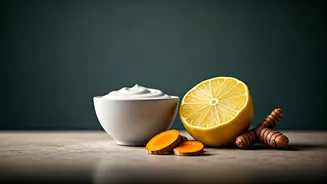
A common, yet dangerous, internet trend involves applying raw lemon juice directly to the skin to lighten dark spots and tan. This practice should be avoided entirely. Lemon juice is highly acidic, with a pH of approximately 2, which can severely disrupt and degrade your skin's natural protective barrier, known as the acid mantle. Furthermore, if you venture outdoors with citrus residue still on your skin, you risk phytophotodermatitis. This condition is an inflammatory reaction that can manifest as painful blistering and resembles a chemical burn, causing significant discomfort and skin damage. It is essential to disregard such lemon-based 'beauty hacks' and opt for safer, proven methods.
Kitchen Dermatology Explained
Your grandmother's skincare wisdom often aligns with effective kitchen dermatology. Yogurt, for instance, contains lactic acid, a natural Alpha Hydroxy Acid (AHA). AHAs are celebrated in dermatology for their ability to break down the bonds holding dead, pigmented skin cells together, leading to a brighter complexion without the micro-damage associated with harsh physical scrubs. Gram flour (besan) is excellent for oily summer skin, providing mild physical exfoliation to lift away dead cells and absorb excess oil. Turmeric, containing curcumin, is a powerful antioxidant that helps regulate melanin production, effectively targeting hyperpigmentation. For dry or sensitive skin, ripe papaya offers enzymatic exfoliation through papain, dissolving dead skin without friction. Aloe vera, with its compound 'aloin', inhibits melanin synthesis and deeply hydrates. Tomatoes, rich in lycopene, combat UV damage and their mild acidity acts as an astringent to refresh dull skin.