

Shady Container Stars
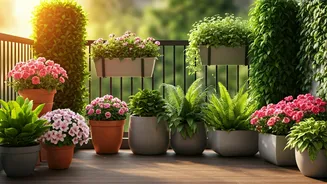
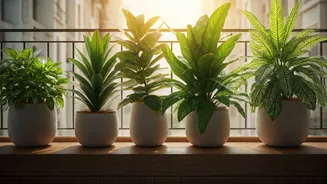
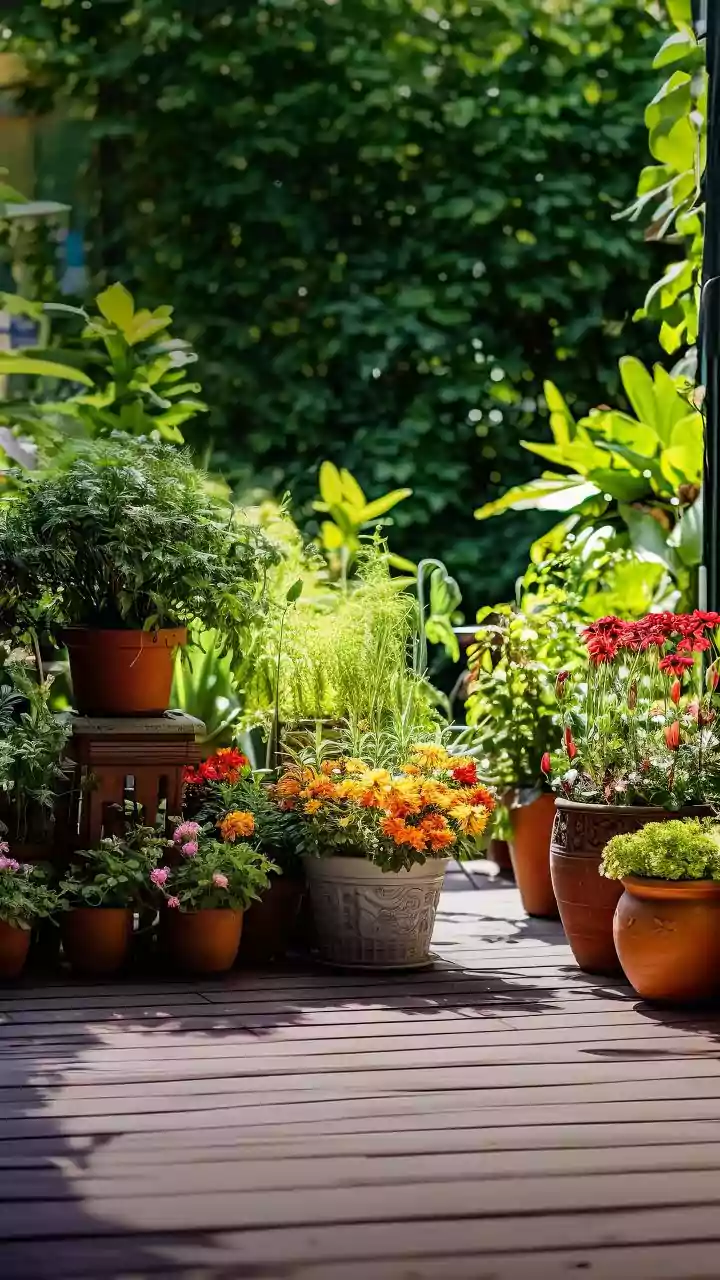
Creating a visually appealing garden doesn't require abundant sunlight. For those with shaded patios, balconies, or yard spaces, container gardening with shade-loving
plants offers a perfect solution. Many plants can adapt to pots, but some simply grow too large or develop extensive root systems, making containers an ideal choice. Before selecting your plants, carefully observe the light conditions in your chosen spot, noting how many hours of direct sun it receives daily. While most plants need some sunlight, a select few, like impatiens, are true full-shade champions. This guide highlights 11 exceptional plants that are well-suited for container plantings in shady environments, ensuring your low-light areas become vibrant focal points.
Understanding Shade Levels
Distinguishing between 'partial sun/partial shade' and 'full shade' is crucial for plant success. Plants categorized for partial sun or shade still require a daily dose of two to four hours of direct sunlight to truly flourish. Conversely, plants designated for 'full, dense, or deep shade' are capable of thriving without any direct sun exposure at all. If direct sunlight isn't feasible for those needing partial sun, ensuring they receive several hours of filtered light, akin to what they'd experience beneath a dense tree canopy, is a good alternative. This nuanced understanding ensures you select plants that match your specific garden conditions, leading to healthier growth and more abundant blooms.
Coleus: Foliage Masterpiece
Coleus, botanically known as Plectranthus scutellarioides, is a renowned shade plant celebrated for its striking, ornamental foliage rather than its flowers. This plant genuinely excels in full shade conditions, though newer cultivars are emerging that can tolerate partial shade and even some direct sun. The vibrant and intricate patterns on its leaves demand thoughtful garden design, whether Coleus is used as a standalone specimen or to complement other plants. Its intense, variegated colors create a stunning visual impact, making it a favorite for adding unique texture and color to any shaded container. While traditionally grown as an annual in USDA zones 10-11, its adaptability to various light levels makes it a versatile choice.
Fuchsia: Cascading Blooms
Fuchsias are instantly recognizable by their graceful, pendulous flowers that offer a continuous display of color throughout the season. These plants are ideal for adding charm to hanging baskets or mixed containers due to their naturally trailing habit. With approximately 100 species in the genus, Fuchsias provide a beautiful summer spectacle even in full shade. While some varieties are known for being a bit particular, most are quite manageable with consistent watering and fertilization. In colder climates (typically zones 9 and warmer), Fuchsias are generally grown as annuals, but they can be overwintered indoors to survive the winter months, showcasing their rich hues of reds, pinks, and violets.
Torenia: Cheerful Wishbone
Known as the wishbone flower, Torenia fournieri is a delightful and resilient annual plant that blooms prolifically all summer, even in deep shade. It boasts a high tolerance for heat and is remarkably easy to care for, requiring only regular watering and fertilizing until the first frost, with no need for deadheading. Torenia's compact size, ranging from 6 to 18 inches, and its tendency to trail make it an excellent addition to hanging baskets, window boxes, and mixed containers with good drainage. While heat-tolerant, it appreciates some protection from intense heat in warmer climates. This plant, suitable for USDA zones 2-11, thrives in part to full shade and is a fantastic choice for consistent color.
Coral Bells: Foliage Jewels
Coral Bells (Heuchera spp.) are exceptionally hardy perennials that bring stunning foliage to shady container gardens. They generally thrive in shade, can tolerate some sun, and are remarkably drought-tolerant. While their blooms are often subtle, their foliage presents an extraordinary range of colors, from deep purples and blacks to vibrant peach and lime green. These plants are magnets for hummingbirds and butterflies and can withstand temperatures as low as -25°F, retaining their beauty until snow. Growing in USDA zones 4-9, Coral Bells are low-maintenance, with deadheading being optional, and offer rich, well-drained soil as their preference. Popular varieties include 'Dolce Licorice' and 'Dolce Key Lime Pie'.
Begonias: Versatile Beauty
The Begonia genus boasts over 1,800 species, offering immense diversity for container gardening, especially in shaded areas. Tuberous and rhizomatous varieties are particularly popular for their vibrant, neon-like flowers, while Rex begonias captivate with their uniquely patterned and textured leaves. Many modern trailing, angel wing, and dragon wing types bloom continuously throughout the summer. Begonias generally require excellent drainage, as they do not tolerate waterlogged conditions. While some varieties are content in full shade, others prefer filtered light. Consistent feeding with a diluted fertilizer is essential for most flowering begonias to maintain their spectacular displays, thriving in USDA zones typically 6-11.
Persian Shield: Exotic Flair
Strobilanthes dyeranus, or Persian Shield, is an exquisite foliage plant, typically grown as an annual, that lends an exotic touch to containers. Its broad leaves are a striking combination of iridescent purple and silver, making it a standout 'thriller' plant that can reach heights of 3 to 4 feet. This plant is remarkably easy to cultivate and thrives in bright light, though it performs exceptionally well in partial shade, making it a great option for shaded spots. To encourage a bushier, fuller appearance, regularly pinching back its stems is recommended. Although it prefers some sun, it adapts beautifully to less intense light, making it a sought-after addition to shaded container arrangements in USDA zones 10-11.
Oxalis: Delicate Charm
Oxalis plants enchant with their delicate, shamrock-shaped leaves and lovely tubular flowers that open and close in response to light changes. This easy-to-grow species is celebrated for its vibrant colors and unique textures, making it a wonderful companion plant for other container specimens. In full shade, it pairs beautifully with plants like fuchsia or torenia, while in partial shade, it complements bacopa. Several species, including Oxalis versicolor, O. triangularis, and O. tetraphylla, are well-suited for shady containers, offering blooms in shades of white, peach, yellow, and pink, with O. tetraphylla being primarily grown for its attractive foliage. In colder regions, Oxalis can be brought indoors as a houseplant during winter, thriving in USDA zones 6-10.
Impatiens: Shade's Bright Spark
Impatiens walleriana stands out as a quintessential shade-loving plant due to its ability to produce an abundance of colorful blooms even in complete shade. Available in a wide spectrum of colors—including white, pink, salmon, red, and purple—with both single and double petal varieties, impatiens are a reliable source of continuous color. These mounding plants are perfect for mixed pots and hanging baskets. While the closely related New Guinea impatiens (Impatiens hawkeri) prefer more sun, they can still perform well in partial shade. A significant advantage is that impatiens grown in containers are generally unaffected by downy mildew, a disease that can plague those planted in the ground in many parts of the US. They thrive in rich, moist, well-drained soil in USDA zones 10-11.
Trailing Lobelia: Cascading Color
While many lobelia species favor direct sun, the trailing variety, Lobelia erinus var. pendula, is an exceptional choice for shaded containers. Commonly known as edging lobelia, its pendulous cultivars produce long, cascading stems that are perfectly suited for hanging baskets and pots, adding a waterfall of color. Available in a range of flower shades, including blues, violets, purples, reds, and pinks, this plant brings delicate beauty to shady spots. It performs best in rich, moist, well-drained soil and is generally grown as an annual in USDA zones 7-11, providing a lovely trailing effect throughout the growing season.
Dichondra: Silvery Trail
Dichondra argentea is a creeping, evergreen perennial in warmer climates, often utilized as a cascading 'spiller' plant in containers, primarily for its attractive foliage rather than its flowers. Despite its preference for sun, this plant demonstrates a good tolerance for partial shade, performing well with just an hour or two of daily sun. Its growth habit is low to the ground, reaching only about 4 inches in height, but its shoots can extend up to 4 feet long, making it ideal for hanging baskets, tall containers, and window boxes. The 'Silver Falls' cultivar is particularly sought after for its shimmering, silvery foliage. Although somewhat drought-tolerant in the garden, it requires consistent watering when grown in containers, thriving in medium-moisture, well-drained soil in USDA zones 10-12.
Creeping Jenny: Bright Accent
Creeping Jenny (Lysimachia nummularia) offers a fantastic non-flowering option for container gardens, featuring a mat-forming habit with round, vibrant lime-green leaves. It grows to a modest height of 2 to 4 inches but can trail up to 2 feet, making it an exceptional spiller plant for the edges of containers and hanging baskets, effectively brightening dim corners with its cheerful foliage. This perennial is particularly well-suited for containers because it can become invasive if planted directly in the garden. It thrives in rich, well-drained soil and adds a lovely splash of bright green, performing well in USDA zones 3-9, and tolerating conditions from full sun to part shade.