







Meal Planning Benefits
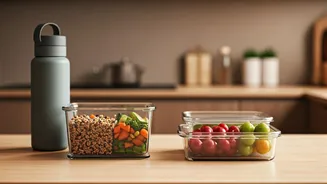
Meal planning is more than just deciding what to eat; it's a strategic approach that dramatically improves your kitchen experience. The primary advantage
is time-saving. With a clear plan, you avoid last-minute decisions and reduce the time spent on daily cooking. You can create meal plans for specific dietary needs, such as gluten-free, vegan, or paleo, helping you easily stick to your health goals. This proactive planning reduces food waste. By planning your meals ahead and preparing only what you'll consume, you minimize the amount of unused ingredients that end up in the trash. The process can also enhance your creativity in the kitchen. Experimenting with different recipes and cuisines becomes easier when you have a plan. Meal planning can also contribute to a less stressful environment, as you eliminate the daily mental load of figuring out what to eat.
Weekly Meal Outline
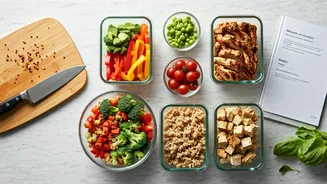
Creating a weekly meal plan is a straightforward process, beginning with an inventory of your pantry and refrigerator. Start by reviewing what you already have to minimize unnecessary grocery purchases. Then, examine your calendar to determine your meal needs. Consider your work schedules, social engagements, and any other commitments that might impact your ability to cook. Based on these considerations, choose your recipes. Opt for a variety of meals to ensure a balanced diet. Consider recipes that offer leftovers for convenient lunches. Finally, create a grocery list. This list should be detailed and organized according to the layout of the grocery store to save time. When you shop, stick to your list to avoid impulse buys, which can disrupt your meal plan.
Adapting Dietary Needs
Adapting meal plans to dietary restrictions is an essential aspect of inclusive and healthy eating. If you follow a gluten-free diet, carefully review all ingredients to avoid wheat, barley, and rye. Choose alternative grains such as rice, quinoa, and oats. For vegan diets, ensure your meals are entirely plant-based. Replace animal products with items such as tofu, lentils, and beans, and ensure that you get enough iron, vitamin B12, and omega-3 fatty acids. If you’re following a paleo diet, focus on whole, unprocessed foods like fruits, vegetables, lean meats, and nuts, while avoiding grains, legumes, and dairy. For those with nut allergies, double-check all ingredient labels for hidden nuts, and always inform those around you. With careful attention to ingredients and preparation, you can enjoy a variety of delicious and healthy meals.
Efficient Cooking Techniques
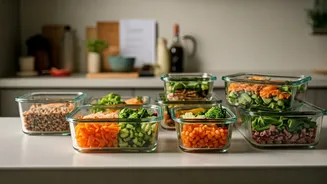
Mastering efficient cooking techniques is key to simplifying meal preparation. Batch cooking is a popular method that involves preparing larger quantities of food at once, then portioning and storing it for later use. This is particularly useful for soups, stews, and casseroles. Utilizing your slow cooker or Instant Pot can also save time and effort. These appliances allow you to prepare complete meals with minimal hands-on time. Prepping ingredients in advance, like chopping vegetables or marinating meats, is another excellent strategy. This makes meal assembly faster and smoother during the week. Consider one-pan or one-pot meals, which minimize cleanup and simplify the cooking process. Finally, freezing meals for later use is a great way to have quick and easy options available on busy days.
Meal Planning Resources
There are many tools and resources available to assist with meal planning. Recipe websites and apps offer a wide variety of meals, catering to various dietary needs and preferences. Look for apps that allow you to save recipes, create meal plans, and generate shopping lists. Consider using online meal planning services, which often provide personalized plans and grocery lists. Social media can also be a source of meal planning inspiration. Follow food bloggers and recipe developers to get new ideas and discover tips for cooking. When exploring cookbooks, choose those with clear instructions and helpful photos to guide your cooking. Regularly evaluating your meal planning process and adjusting your methods based on your needs will improve your approach over time.