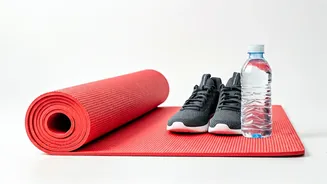









Embrace Gentle Movement
When exhaustion hits, the last thing you might consider is exercise, yet incorporating movement into your routine can be surprisingly beneficial. Instead
of forcing yourself into a strenuous workout, think about embracing gentle, low-effort routines that can still provide notable advantages. These routines are designed to be completed in a short timeframe, making them ideal for individuals short on time or feeling depleted. You can start with simple stretches, such as neck rolls, shoulder rolls, and gentle twists. These actions can aid in loosening tight muscles and improving circulation. Additionally, small walks or light exercises such as marching in place or arm raises can assist in elevating your heart rate moderately, contributing to increased energy and a more alert state of mind. Remember, the goal is not to exhaust yourself, but to gently stimulate your body and promote well-being. The key here is to listen to your body and adjust the intensity as needed, ensuring each movement feels comfortable and energizing rather than overwhelming.
Quick 5-Minute Energizers
If you're looking for a quick pick-me-up, a 5-minute routine can work wonders. Start by dedicating a minute to marching in place, incorporating arm movements to get your blood flowing. Next, spend two minutes performing a combination of squats and modified push-ups. Squats help engage major muscle groups, boosting metabolism, while modified push-ups (performed against a wall or on your knees) offer an upper-body workout without undue strain. Conclude the routine with a final two minutes of static stretching, focusing on areas like your hamstrings, quadriceps, and shoulders. Hold each stretch for about 30 seconds. This combination of cardio and stretching will invigorate you, improving both your physical and mental state. It's about finding that balance between movement and mindful rest, allowing you to gradually enhance your fitness levels.
Modify for Comfort
The beauty of a low-effort exercise plan is its adaptability. It is essential to customize your routines based on your existing fitness level and overall comfort. For example, if traditional squats feel difficult, you could try sitting on a chair and standing up repeatedly; this helps simulate the movement with less strain on your joints. Similarly, when doing push-ups, starting against a wall and gradually shifting to an elevated surface like a countertop or even the floor is a very practical method. This technique assists you in gradually building strength without causing injury or discomfort. It is also good to modify the duration or the intensity of your exercise to suit your personal needs. Perhaps, instead of following a 5-minute routine, you might split your exercises into multiple shorter sessions, incorporating them throughout the day. Remember, the idea is to engage in movement that makes you feel good, not to push yourself to the point of exhaustion. Listen to your body and make adjustments, ensuring you find a routine that's both effective and sustainable.
Mindful Movement Matters
While the physical benefits are undeniable, incorporating mindfulness into your exercise routine can enhance the overall experience. Begin by paying attention to your breathing; maintaining a steady, deep breathing pattern can help reduce stress and improve focus. Be aware of each movement, allowing yourself to feel the stretch and engage the right muscles. This practice can elevate the effectiveness of your workout and contribute to the calming effects. You can add a minute of meditation or a quick mindfulness practice at the end of your routine. This will help you transition from the physical exertion into a state of relaxation. You might also consider incorporating a light form of yoga or tai chi, which focuses on gentle movements combined with breathing techniques to foster both physical and mental well-being. By integrating mindfulness, you turn each exercise session into an opportunity to care for your body and your mind, making it a holistic practice that caters to your overall health.
Consistency Is Key
The true magic of any exercise routine lies in its consistency, especially when it comes to low-effort workouts. Aim to incorporate these brief movements into your daily life. Even on the busiest days or when you're feeling your worst, a small amount of activity can prevent you from feeling worse. Try setting realistic goals, such as completing a 5-minute routine three to four times a week. This structured plan can make it easier to stay on track. Integrate these exercises into your daily habits, maybe doing stretches while you're waiting for your coffee to brew or going for a short walk during your lunch break. You can improve your well-being by establishing exercise as a routine that is ingrained into your day. With each session, your body will adapt, and you'll find that you have more energy, stamina, and an improved overall mood. Over time, you can gradually increase the duration or intensity of your workouts, but always remember that the goal is to make movement a sustainable and enjoyable part of your life.