






Legumes: Fibre Powerhouses
When you think of fibre, legumes like lentils, black beans, kidney beans, and chickpeas should immediately spring to mind. These small but mighty foods
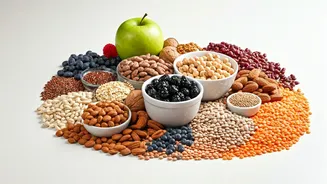
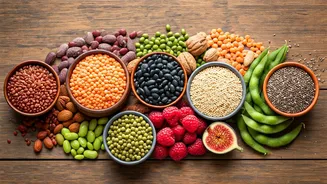
are packed with dietary fibre, with a single cup of cooked lentils delivering approximately 15 grams. This makes them exceptional allies for maintaining healthy digestion. Beyond fibre, they also provide essential nutrients such as protein, iron, and folate, positioning them as a cornerstone for plant-based diets and a valuable addition for anyone looking to enhance their fibre consumption and overall nutritional intake.
Grains for Gut Health
Whole grains serve as another fantastic avenue for boosting your fibre intake, offering benefits that extend to both cholesterol levels and digestive regularity. Oats are particularly renowned for their soluble fibre content, specifically beta-glucan, which has been linked to favourable impacts on cholesterol management. Barley, meanwhile, contributes to better blood sugar control and fosters a healthier gut environment. By consciously opting for whole-grain versions of everyday staples like bread, or incorporating grains such as brown rice and quinoa into your meals, you can significantly increase your daily fibre consumption and reap these wholesome advantages.
Tiny Seeds, Big Impact
Don't underestimate the fibre potential of small seeds like chia and flax. Just a modest two tablespoons of chia seeds can provide around 10 grams of fibre, a substantial contribution to your daily target. These seeds are also rich in omega-3 fatty acids, which are beneficial for cardiovascular health. Flaxseeds, especially when ground, are incredibly versatile and can be seamlessly blended into smoothies, sprinkled over cereals, or incorporated into your favourite baked goods, offering an easy way to access their abundant fibre and healthy fats.
Nuts for Nutritious Snacking
Nuts offer more than just a satisfying crunch; they are a valuable source of dietary fibre and other important nutrients. Almonds, for instance, provide approximately 3.5 grams of fibre per ounce, in addition to vitamin E and beneficial healthy fats that contribute to overall wellness. Pistachios are another excellent nut choice, delivering fibre along with a good dose of antioxidants that play a role in protecting your body at a cellular level. Incorporating a handful of these nuts into your daily routine is a delicious way to boost your fibre and nutrient intake.
Fabulous Fruits for Fibre
Fruits, while distinct from vegetables, are also exceptional plant-based sources of dietary fibre and are crucial for a balanced diet. Apples and pears are particularly good when consumed with their skins on, as much of their soluble fibre resides there. Berries, such as raspberries and blackberries, are fibre superstars; a single cup of raspberries can offer as much as 8 grams of fibre. Including a variety of these fruits in your daily meals and snacks can significantly enhance your fibre intake and contribute to better digestive health and satiety.
Popcorn: A Whole-Grain Treat
In a surprising turn, air-popped popcorn emerges as a delightful whole-grain snack that contributes fibre to your diet. A serving of three cups of air-popped popcorn contains about 3.5 grams of fibre. When prepared with minimal added butter or oil, it stands as a genuinely guilt-free option for satisfying snack cravings while simultaneously increasing your fibre intake. It's a fun and accessible way to enjoy a whole grain and reap its digestive benefits.