







Taste Bud Sensitivity
Children possess a heightened sensitivity to bitter flavors compared to adults, primarily due to a larger concentration of taste buds on their tongues.
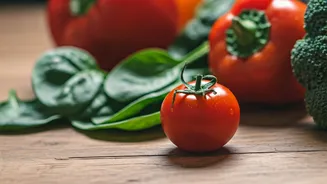
Many vegetables, particularly leafy greens like spinach and broccoli, contain natural compounds that register as bitter to their developing palates. This biological predisposition likely served an evolutionary purpose, helping young ones avoid potentially poisonous plants. While once a survival mechanism, this innate aversion can now make it challenging for them to accept nutritious vegetables. Introducing these foods requires patience and persistence, as research suggests children may need between 10 to 15 exposures to a new vegetable before developing a liking for it. Gentle and consistent exposure is key to overcoming this innate sensory difference.
Embrace Textural Preferences
Beyond taste, texture plays a significant role in a child's acceptance or rejection of vegetables. The unpredictable nature of various textures – from the softness of cooked carrots to the crispness of raw bell peppers – can be off-putting and even trigger gagging reflexes in young children. Identifying a child's specific textural preferences is crucial; for instance, some children might enjoy crunchy vegetables like raw carrots but dislike them when cooked. By offering vegetables in different forms (raw, roasted, grated, pureed) and observing which textures are met with less resistance, parents can build trust. Accommodating these textural likes is more effective than forcing them, as it creates a positive association. Once a preferred texture is found, children are often more willing to explore other vegetables with similar textures, gradually expanding their palate over time.
The Power of Play
Making vegetables engaging and fun is a powerful tool for overcoming resistance. Transforming the appearance of vegetables through creative presentation can shift a child's negative attitude into positive curiosity. Consider serving vegetables in appealing shapes, creating colorful designs on their plates, or offering 'build-your-own' meal options like wraps or skewers. These interactive approaches tap into a child's natural inclination for exploration and their desire for control, making vegetables more desirable. Engaging children in activities related to food preparation, such as growing vegetables in a home or herb garden, can also foster a sense of ownership and encourage them to try what they've helped cultivate. When vegetables are integrated into play and exploration rather than perceived as an obligation, children are far more likely to be receptive.
Gentle Introduction
Overcoming a child's apprehension towards new foods, known as food neophobia, is a common developmental stage, particularly between the ages of two and six. Vegetables, often less sweet and familiar than other foods, are prime targets for this rejection. While this phase is temporary, forceful encouragement or hidden vegetables can exacerbate the problem. Instead, involving children in the process – from selecting vegetables at the grocery store to washing and arranging them at home – can build comfort and interest. Simply placing vegetables on their plate without pressure to eat them can also reduce anxiety. When children feel secure and empowered in their food choices, curiosity can gradually supersede fear, leading to eventual acceptance. This approach nurtures autonomy while gently promoting a diverse diet.
Family Mealtime Magic
Children are keen observers and learn eating behaviors by watching their caregivers. When parents openly enjoy vegetables during family meals, children internalize that these foods are normal and acceptable. Conversely, if parents avoid vegetables, they inadvertently teach their children to do the same. Family-style meals, where everyone serves themselves from shared dishes, also promote a sense of shared experience and control. Research consistently highlights the effectiveness of repeated exposure and parental influence in encouraging vegetable consumption. Casual, enthusiastic conversations about vegetables, like remarking on their sweetness, can also spark interest without creating pressure. Witnessing parents' positive engagement with vegetables fosters a relaxed atmosphere and associates healthy eating with pleasant social interactions, making children more amenable to trying them.