
A Historic Agreement
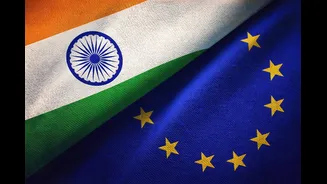
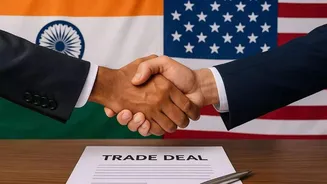
The discussions surrounding the India-EU Free Trade Agreement (FTA) marked a significant step forward in the economic relationship between the two entities.
During the Indian visit, the German Chancellor underscored the FTA's potential to alter the course of global trade rules. This emphasis suggests a shared vision for establishing more accessible and favorable trading conditions. This agreement is expected to simplify and streamline trade procedures, reduce tariffs, and boost investment, providing numerous opportunities for both India and the European Union. Furthermore, it is seen as a means of strengthening political and strategic ties between the two entities, making it a pivotal move toward a more interconnected and interdependent global economy. The partnership is a commitment to fostering economic stability and growth.
Reshaping Global Trade
The India-EU FTA is likely to usher in changes to established trade norms. The potential impacts extend far beyond the immediate participants, influencing international trade practices and setting precedents. The FTA could introduce innovative approaches to addressing trade barriers, streamlining customs procedures, and establishing clearer regulatory frameworks. Such developments are set to stimulate economic growth and facilitate greater economic integration on a worldwide scale. This initiative may act as a catalyst, encouraging other nations to reevaluate and reshape their trade policies, thereby promoting more openness and fairness in global commerce. The goal is a more inclusive and dynamic trade environment, with economic growth as an added advantage.
Impact on India
For India, the FTA offers promising prospects for boosting exports, attracting investment, and spurring domestic economic growth. Reduced tariffs and easier market access within the EU should enable Indian businesses to compete more effectively on a global stage. The pact will also draw in additional foreign investment, including resources for infrastructure and technology, boosting innovation and competitiveness. India can expect a more resilient and diversified economy, capable of managing external shocks and achieving sustainable development by building closer ties with the EU. Moreover, the FTA presents an opportunity to diversify its trade partners, thereby decreasing its reliance on any one market and reinforcing its position in the world economy.
EU's Perspective
The European Union is also set to gain considerable advantages through the FTA. The agreement can open up new markets for EU exports, especially in sectors such as high-tech goods, automobiles, and financial services. More investments from India could improve the EU's global competitiveness and stimulate job creation. The FTA is also consistent with the EU's commitment to promoting its values and standards across the world. Through the agreement, the EU can help strengthen its influence in a critical region, promoting economic stability and supporting its geopolitical objectives. The EU can play an important role in establishing international norms and advancing its interests within a rapidly changing world economy by securing a partnership with India.