




The Sticker's Secret
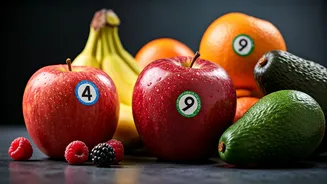
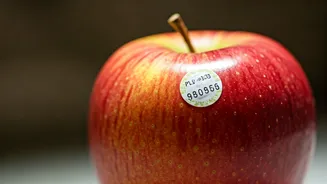
You might overlook them, but the colourful little labels adorning fruits like apples, bananas, and oranges convey far more than just a price. These seemingly
simple stickers are actually a sophisticated system designed to inform consumers about the cultivation methods employed. Instead of being mere decorative elements for branding, they serve as a vital communication tool, offering insights into whether the fruit was grown using organic practices, subjected to chemical treatments, or has been genetically modified. Understanding these codes empowers you to make more informed purchasing decisions, aligning with your dietary preferences and health goals. It’s a small detail that can lead to a significant impact on your well-being and the environment.
Understanding PLU Codes
The numerical sequences printed on fruit stickers are known as PLU (Price Look-Up) codes. These codes are not arbitrary; they are a standardized system used globally to identify specific types of fruits and vegetables and, more importantly, to indicate their farming methods. For instance, the digit 4 signifies conventional farming, where pesticides and chemical fertilisers are commonly used. This implies that thorough washing before consumption is highly recommended to remove any residue. Alternatively, a 5-digit code starting with the number 8 serves as a red flag for genetically modified (GMO) produce. These fruits have undergone laboratory alterations to enhance traits like size or shelf life, diverging from their natural state. On the other hand, a 5-digit code beginning with 9 is the golden ticket for organic produce, assuring consumers that the fruit was cultivated without the use of synthetic pesticides or harmful chemicals, positioning it as the most natural and health-conscious selection available.
Safety and Smart Shopping
While the stickers and the adhesive used are generally recognized as safe and non-toxic by regulatory bodies like the US Food and Drug Administration, it's always a prudent practice to remove the sticker and thoroughly wash the fruit before consumption. This ensures optimal hygiene regardless of the growing method. When navigating the produce aisle, make it a habit to inspect the PLU codes. Prioritizing fruits with codes starting with 9 will guide you towards organic options. However, it's important to note that the absence of a sticker does not automatically mean a fruit is organic. In such cases, or when you encounter conventionally grown produce, ensure you wash your fruits diligently, perhaps using a gentle scrub with salt or warm water, to minimize potential exposure to agricultural chemicals. This mindful approach to shopping contributes to a healthier lifestyle and supports sustainable agricultural practices.