







Plan Meals Wisely
Embarking on a journey to reduce household waste begins with thoughtful meal planning. By dedicating time to strategize your meals in advance, you gain
a clearer understanding of the ingredients required and their exact quantities, taking into account the number of people to be served. This proactive approach not only helps in maintaining the freshness of your produce by preventing unnecessary purchases but also significantly cuts down on kitchen wastage. Before heading to the grocery store, it's crucial to conduct a thorough check of your pantry and refrigerator to avoid buying duplicates or items that might expire before use. This habit minimizes the chances of food languishing and eventually being discarded, promoting a more organized and less wasteful culinary environment at home.
Measure Ingredients Accurately
In many Indian households, a reliance on approximation often leads to substantial food wastage. To counteract this, embracing the use of measuring cups, spoons, or standardized portion sizes is paramount. This practice offers precise control over the amounts of staples like rice, flour, lentils, and pasta being cooked, ensuring you prepare only what's needed. Beyond waste reduction, accurate measurement contributes to saving valuable time, energy, and cooking resources. It cultivates a more disciplined approach to cooking, where 'just enough' becomes the guiding principle, fostering efficiency and preventing the creation of excess food that is likely to go unused.
Store Food Properly
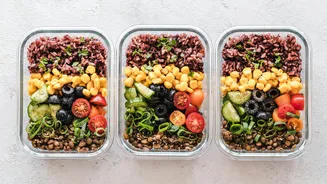
The responsible management of cooked food is as critical as its preparation. Proper organization and refrigeration of meals are essential to prevent spoilage and minimize waste. A simple yet effective strategy is to place older food items at the front of the refrigerator and newer ones at the back, encouraging their timely consumption. Utilizing airtight containers, maintaining optimal cooling temperatures, and clearly labeling food items can significantly preserve freshness and extend their shelf life. Furthermore, to uphold hygiene and prevent cross-contamination, it's advisable to store raw meat and poultry products separately from fruits and vegetables within the fridge.
Reimagine Leftovers Creatively
Leftover food should not be automatically categorized as waste; instead, it presents a fantastic opportunity for culinary innovation. Many dishes can be ingeniously transformed into new and exciting meals. For instance, leftover rice can form the base for a flavorful fried rice, while surplus rajma can be mashed and shaped into delicious tikkis. Even leftover rotis can be repurposed as bases for homemade pizzas or incorporated into noodle dishes. Employing such creative reuse of leftovers not only helps maintain a balanced food quantity but also substantially reduces the amount of food discarded daily. Even leftover dal can be mixed into dough for savory parathas, and khichdi can be given a new life as cheesy arancini balls.
Buy Only What's Needed
Mindful consumption extends beyond the cooking pot to the shopping cart. It's imperative to purchase groceries based on genuine need rather than impulse. Before making any purchase, a thorough inventory of your existing supplies is crucial to avoid accumulating excess items that risk expiry. This practice of buying only what is required directly combats food waste at its source. It encourages a conscious approach to food procurement, ensuring that resources are utilized efficiently and preventing the common scenario where excessive purchases lead to spoilage and financial loss, ultimately contributing to a more sustainable household.