



Top Tier Nutrition
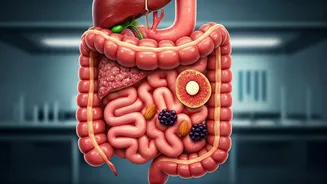
When you're reaching for a quick bite between meals, the choices you make can significantly influence your digestive well-being and liver function. Dr.
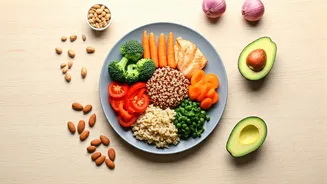
Saurabh Sethi, a distinguished gastroenterologist with training from prestigious institutions like AIIMS, Harvard, and Stanford, has meticulously evaluated ten widely consumed snacks. His expert rankings, based on a 1-to-10 scale, highlight their impact on gut and liver health. Snacking is a near-universal habit, often performed without deep consideration for nutritional value. Dr. Sethi emphasizes that snacks abundant in dietary fibre, wholesome fats, protein, and beneficial probiotics can contribute profoundly to long-term health. Conversely, heavily processed snacks can impose an undue burden on your digestive processes and the vital work your liver performs. The highest accolades go to seeds, earning a perfect 10/10. This category includes powerhouses like chia, basil, and flaxseeds, which are brimming with fibre and anti-inflammatory properties that nurture your gut's microbiome and bolster metabolic health. Following closely, nuts also receive a 10/10 rating, offering a superb blend of healthy fats, fibre, and the ability to provide sustained energy, thereby aiding digestion and supporting overall metabolic efficiency.
Beneficial Bites
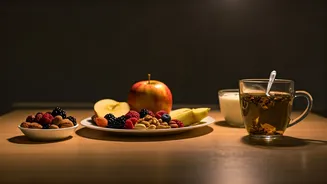
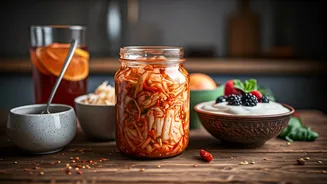
Continuing the journey towards healthier snacking, plain Greek yoghurt secures a strong 9/10 rating. Its rich protein content and abundance of probiotics make it an excellent ally for digestive health and maintaining a balanced gut flora. Dr. Sethi also notes that traditional plain yoghurt, or 'dahi', serves as a commendable alternative. Next up, fruits paired with nut butter achieve an 8/10 score. This combination ingeniously balances the natural sugars from the fruit with the healthy fats and fibre from the nut butter, leading to more stable blood sugar levels and a prolonged feeling of satiety. Roasted chickpeas also merit an 8/10. These legumes are a fantastic source of plant-based protein and resistant starch, a type of carbohydrate that functions as a prebiotic, effectively feeding the beneficial microorganisms residing in your gut and promoting a healthier microbiome.
Moderate Choices
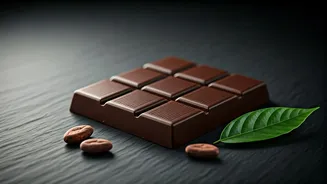
As we move towards snacks that require a bit more mindfulness in their consumption, dark chocolate, specifically varieties with 70% cocoa or higher, earns a 7/10 rating. When enjoyed in moderation, dark chocolate can provide valuable antioxidants that may offer benefits for gut health. However, portion control is absolutely crucial to reap these advantages without adverse effects. Air-popped popcorn, often a surprising contender, also receives a 7/10. As a whole grain, it is inherently rich in fibre. The key to its healthfulness lies in its preparation; it's essential to avoid the heavily buttered and sugared versions typically found in movie theatres, opting instead for the plain, air-popped variety to maintain its digestive benefits.
Less Favorable Options
Shifting to snacks that offer less significant benefits for digestive and liver health, protein bars are rated at 5/10. While they present a convenient option for many, a substantial number of these bars are heavily processed. They often contain hidden sugars and less desirable seed oils, which collectively diminish their overall health value and potential benefits. Further down the list, crackers and chips are assigned a low score of 3/10. These are predominantly manufactured using refined carbohydrates and processed oils, offering minimal nutritional advantage for your digestive system or liver function, and can contribute to inflammation.
Bottom of the List
At the very bottom of the spectrum, for the least supportive snacks for gut and liver health, we find cookies and candy, both receiving a score of 1/10. Despite their tempting nature, these sugary treats provide negligible nutritional value. They can cause significant spikes in blood sugar levels without offering any discernible support for your digestive tract or liver. Consuming these regularly can lead to energy crashes and contribute to a less healthy internal environment, underscoring the importance of making informed snack choices for overall well-being.