





Prime Refrigerator Real Estate
When the mercury rises, the door of your refrigerator becomes the milk's worst enemy. Fluctuations in temperature are rampant there due to frequent opening
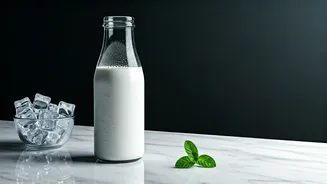
and closing. To maintain a consistently cool environment, which is crucial for slowing down bacterial proliferation, always place your milk container towards the back of a shelf. This prime spot offers the most stable and coldest conditions, shielding your milk from the warmth that creeps in, thus significantly extending its shelf life and preserving its quality, especially during the sweltering summer months.
Seal It Tight, Always
Every interaction with your milk carton matters. Make it a habit to seal the container immediately and securely after each pour. Even brief moments with the lid ajar allow warm air to infiltrate, accelerating the spoilage process. Quick handling combined with a tight seal is a simple yet highly effective measure to limit exposure to heat and airborne contaminants, thereby maintaining the milk's freshness and usability for a considerably longer period throughout the day.
Stick to Original Packaging
Resist the temptation to transfer milk into other containers, whether for aesthetics or convenience. The original packaging is meticulously designed to provide optimal protection against both light and potential contaminants. By keeping milk in its designated carton, you minimize the introduction of new bacteria during transfers and ensure that its taste, texture, and safety are preserved for a more extended duration, avoiding premature souring.
Minimize Fridge Breaks
Be mindful of how long milk spends outside the refrigerator. Avoid leaving it on the table during meals or while preparing beverages like tea. As soon as you've poured the required amount, promptly return the carton to its cool sanctuary. These repeated cycles of warming and cooling are breeding grounds for bacteria, dramatically reducing the milk's lifespan and leading to quicker spoilage, particularly when ambient temperatures are high.
Consider a Pre-Boil
For raw or loosely packaged milk, a simple boiling process after purchase can make a significant difference. Heating the milk initially helps reduce the existing bacterial load. It's vital to cool it down rapidly afterward and then refrigerate. Ensure the milk is covered during the cooling phase to prevent any contamination from airborne particles or surfaces in your kitchen, thereby enhancing its longevity.
Maintain Fridge's Cool Core
The overall temperature of your refrigerator plays a pivotal role in milk's freshness. Aim to keep it consistently at or below four degrees Celsius. Given that many refrigerators can fluctuate, especially in summer, consider using a thermometer to monitor the temperature accurately. Stable cooling conditions are paramount for inhibiting bacterial activity, ensuring your milk remains fresh for a greater length of time.
Separate Old from New
To prevent a domino effect of spoilage, never combine fresh milk with older, partially used portions. Mixing can introduce bacteria from the older milk into the fresh supply, accelerating its souring. Always prioritize finishing older batches first. This practice ensures better quality control and significantly reduces the risk of your entire milk supply turning sour prematurely in warm weather.
Portion Control for Freshness
Instead of repeatedly opening a large milk container, consider using smaller, separate containers for daily portions. This strategy limits the exposure of the bulk milk to air, light, and temperature changes. Smaller portions naturally stay colder and fresher, minimizing the chances of contamination and maintaining the overall quality of your milk throughout the day.