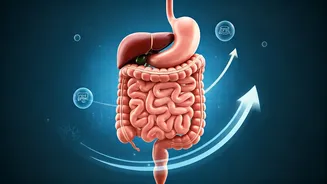







Hydration for Metabolism
Embracing sufficient water intake is a cornerstone of effective weight management, acting as a natural metabolism booster and digestive aid. Adequate hydration
can also cultivate a sense of fullness, thereby reducing the likelihood of overconsumption. Aiming for a minimum of eight glasses of water daily, and making it a habit to drink a glass before meals, can significantly contribute to your weight loss goals by supporting bodily functions and curbing unnecessary snacking. This simple habit ensures your body operates optimally, making the process of shedding pounds feel more natural and less like a chore.
The Power of Sleep
Quality sleep is an often-underestimated yet critical component in the complex equation of weight loss, primarily by regulating crucial appetite-controlling hormones like ghrelin and leptin. When sleep is insufficient, these hormonal signals can become imbalanced, potentially triggering increased hunger and a heightened desire for calorie-dense, less nutritious foods. Establishing a consistent sleep schedule to achieve 7-9 hours of restful sleep each night is paramount. This restorative period allows your body to recalibrate, helping to maintain hormonal equilibrium and curb unhealthy cravings, thus supporting your weight management efforts.
Mindful Eating Practices
Cultivating a mindful approach to eating transforms how you interact with food, encouraging a deeper connection with your body's natural hunger and satiety signals. This involves consciously slowing down your eating pace, truly savoring each bite, and eliminating distractions such as electronic devices during meals. By dedicating your full attention to the act of eating, you become more attuned to when you are genuinely hungry and when you have reached a state of comfortable fullness. This heightened awareness is instrumental in preventing mindless overeating and fostering a healthier relationship with food.
Embrace Regular Movement
Incorporating regular physical activity doesn't necessitate grueling gym sessions; rather, it's about finding joy in movement that suits your preferences. Whether it's a brisk walk, engaging in dance, cycling, or swimming, the goal is to achieve at least 30 minutes of moderate-intensity exercise on most days of the week. Even short, intermittent bursts of activity throughout the day can accumulate and contribute positively to your overall energy expenditure and well-being. The key is consistency and finding an enjoyable form of exercise that you're likely to stick with long-term.
Strategic Meal Planning
Proactive meal and snack planning serves as a powerful defense against impulsive, less healthy food choices. By dedicating time to prepare nutritious meals and snacks in advance, or at the very least, having a clear plan for your daily intake, you ensure that healthy options are readily accessible. This foresight is especially beneficial when hunger strikes, preventing the temptation to opt for convenience foods that may be high in calories and low in nutritional value. Strategic planning empowers you to make informed decisions that align with your weight loss objectives.
Effective Stress Management
The impact of chronic stress on weight management cannot be overstated, as it can often trigger emotional eating and contribute to unwanted weight gain. Developing and practicing healthy stress-coping mechanisms is therefore essential. Engaging in activities such as meditation, yoga, deep breathing exercises, spending time immersed in nature, or pursuing beloved hobbies can provide effective outlets for stress relief. By actively managing stress, you can mitigate the urge to eat for comfort and maintain better control over your eating habits and overall well-being.