
Dynamic Stretching
Dynamic stretching, unlike static stretching where you hold a position, involves moving your body through a range of motion. Arm circles are a great example,
warming up the shoulder joints. Leg swings, both forward and sideways, prepare the hip flexors and adductors. Torso twists, performed gently, enhance spinal mobility. These movements increase blood flow and prepare your muscles for activity. Start slowly, gradually increasing the range of motion. Remember to breathe deeply, coordinating your breath with each movement. Dynamic stretches are ideal for a pre-workout routine as they mimic the movements of the exercise to come, reducing the risk of injuries. Proper form is crucial; maintain control and avoid jerky motions.
Hamstring Stretches
Hamstring stretches are essential for anyone who sits for extended periods or engages in activities requiring leg movement. The standing hamstring stretch, where you bend forward from the hips with a straight back, is a classic. You can also perform a seated hamstring stretch, reaching towards your toes while keeping your legs extended. Another option is the lying hamstring stretch, using a strap or towel to gently pull your leg towards your chest while keeping the leg straight. Hold each stretch for about 30 seconds, feeling a gentle pull in the back of your thigh. Avoid bouncing, as this can lead to injury. Regular hamstring stretches can alleviate lower back pain and improve athletic performance by increasing the range of motion in your legs and hips.
Quadriceps Stretches
The quadriceps muscles, located at the front of your thighs, also need attention. A simple quadriceps stretch can be done standing, holding your ankle towards your glutes. Ensure your knees remain close together to deepen the stretch. The kneeling quadriceps stretch, where you gently lean back, is another effective option. You might feel a stretch in the front of your thigh and hip flexors. Remember to keep your core engaged to protect your lower back. Consistent quadriceps stretches can help improve posture and reduce knee pain. Holding these stretches for around 30 seconds helps increase flexibility and prevent muscle imbalances that can lead to injuries.
Shoulder Stretches
Shoulder stretches address tightness and improve mobility in a crucial area. The cross-body shoulder stretch involves gently pulling one arm across your chest towards the opposite shoulder. Hold the stretch with the other hand to enhance the pull. The triceps stretch, reaching one arm overhead and bending the elbow behind your head, targets the back of your arm. These stretches are beneficial for anyone who spends long hours at a desk or engages in activities that involve repetitive arm movements. Holding each stretch for about 30 seconds will release tension and improve shoulder function. Proper technique is essential to avoid any discomfort or injury.
Hip Flexor Stretches
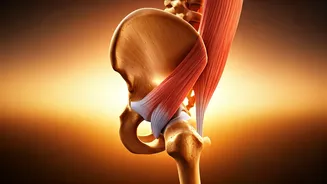
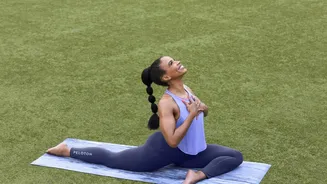
Hip flexors often get tight from sitting, and targeted stretches are essential for improved mobility and reduced lower back pain. A kneeling hip flexor stretch, where you lunge forward, keeping your back straight and gently pushing your hips forward, is very effective. You should feel a stretch in the front of your hip and thigh of the back leg. Another option is the pigeon pose, which requires some practice but is excellent for deep hip opening. By stretching the hip flexors, you can improve your posture and ease discomfort caused by prolonged sitting. Maintaining a regular stretching routine focused on these muscle groups contributes significantly to overall well-being.
Spinal Twists
Spinal twists help maintain spinal health and increase flexibility. Seated spinal twists, where you sit upright and gently twist your torso, are a good start. You can also perform lying spinal twists by bending your knees and letting them fall to one side while keeping your shoulders on the floor. These twists can help improve your posture and reduce back pain. They also aid in the detoxification process by stimulating the organs. Breathing deeply during the twists enhances their effectiveness and provides a deeper stretch. Incorporating spinal twists into your routine contributes to overall flexibility and can significantly improve your daily comfort and movement.