




Orbital Breakups Emerge
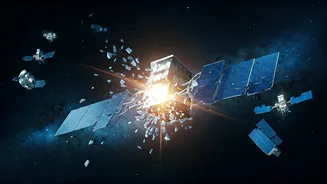
In recent months, a worrying trend has emerged with two Starlink satellites experiencing unexpected and catastrophic breakups. The most recent incident
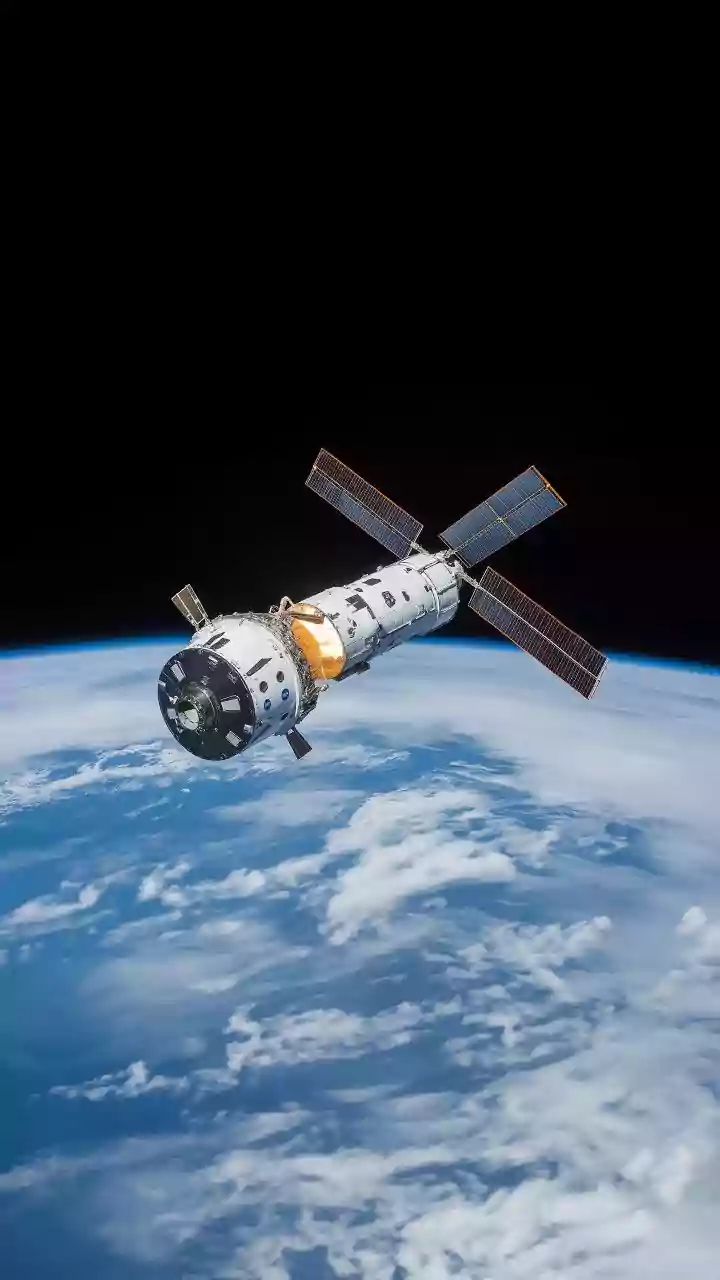
involved satellite 34343, which disintegrated, scattering "tens of objects" into orbit alongside the larger fragments. Crucially, these events were not attributed to collisions with existing space junk. Instead, analyses from LeoLabs point towards an "internal energetic source" as the likely cause, though the company prefers not to label it as an explosion. A prior incident in December resulted in another satellite remaining largely intact but spinning uncontrollably at an altitude of 418 kilometers. This malfunctioning satellite then began expelling its propulsion fuel, shedding debris before its eventual, inevitable descent back to Earth.
Coordination Gaps Exposed
These satellite anomalies have occurred against a backdrop of worsening space traffic management failures, underscoring critical coordination deficits. Notably, Michael Nicolls, Starlink's VP of engineering, disclosed that a Chinese company launched nine satellites without prior notification or coordination with other orbital operators. This oversight created a perilous situation, resulting in a near-collision just 200 meters away from Starlink satellite 6079. Nicolls emphasized that the greatest operational risk in space stems from a lack of communication and coordination among satellite providers, a situation that urgently requires rectification. Operating in space without this coordination is akin to merging onto a busy highway without checking your surroundings, with the potential for far-reaching consequences affecting essential services like GPS and internet connectivity.
SpaceX's Safety Paradox
SpaceX's current strategy presents a notable paradox concerning safety and expansion. While the company plans to lower the operational altitude of thousands of its satellites to mitigate debris persistence and reduce collision risks – moving them from 342 miles to 298 miles throughout 2026 – it has simultaneously announced ambitious plans for a future constellation of approximately one million satellites. This expansion aims to power orbital internet services on a global scale. Researchers at the University of British Columbia have calculated that such a vast number of satellites would fundamentally alter the night sky, with "one in 15 visible points" in the darkness being a satellite rather than a celestial star, effectively transforming the cosmos into humanity's largest digital display.
Satellite Dependence Stakes
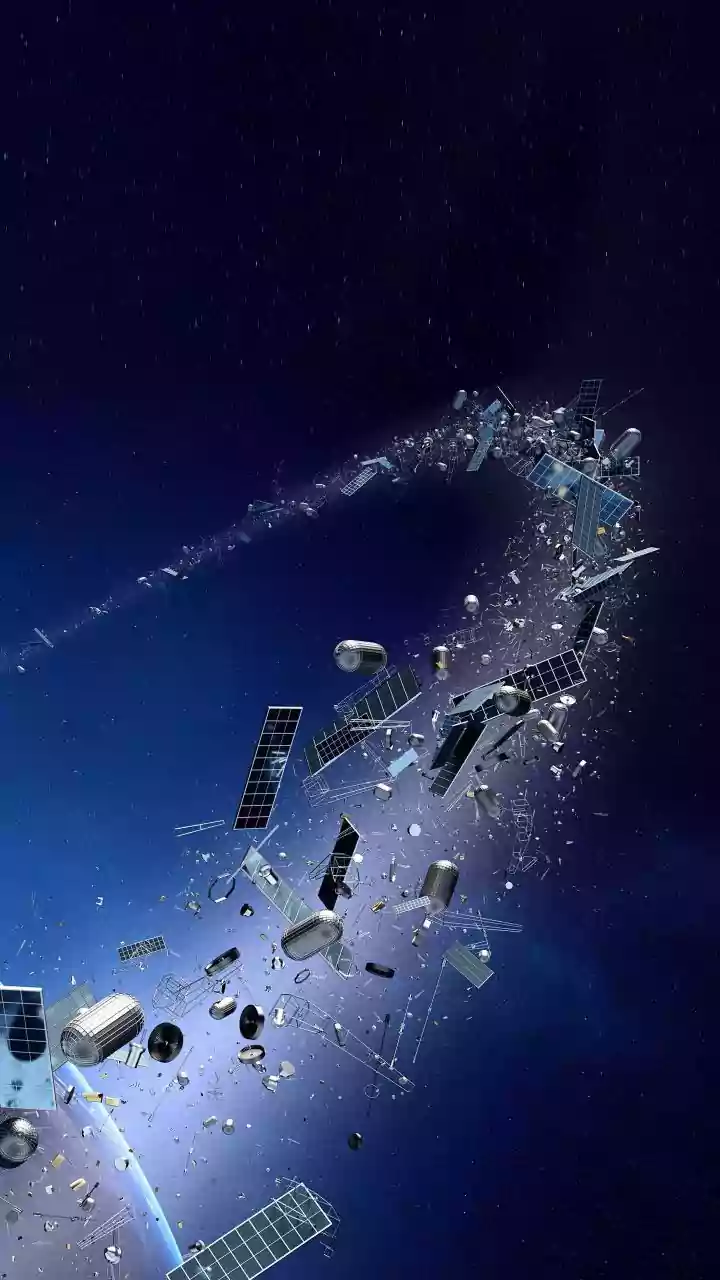
The proliferation of orbital debris poses a significant threat to the space infrastructure that underpins much of our daily lives. These satellite breakups are not isolated incidents; they contribute to a growing problem that could potentially trigger the Kessler Syndrome. This dangerous phenomenon describes a chain reaction of collisions in low Earth orbit that could render the region unusable for future endeavors. Essential services such as internet streaming, global navigation systems, weather forecasting, and even financial transactions all rely heavily on the constellation of satellites that now share increasingly crowded orbital paths. While SpaceX has implemented software solutions to prevent similar anomalies in the future, the fundamental conflict between aggressive commercial growth and the imperative of space sustainability remains unresolved, questioning whether mega-constellations will enhance space access or render it inaccessible for everyone else.