





Appam's Delightful Origins
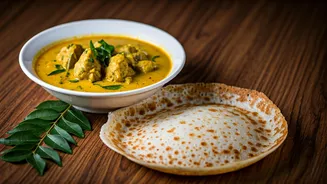
Appam, a staple of Kerala cuisine, is a thin pancake with a soft, spongy center and crispy edges. Traditionally made from fermented rice batter and coconut
milk, appam is renowned for its distinctive slightly tangy flavor and light texture. The fermentation process, which can take several hours, is key to achieving its unique taste and airy consistency. The batter is poured onto a hot pan with a specific technique, creating the characteristic shape. Over time, appam has evolved with variations, but the core ingredients—rice, coconut milk, and a bit of sugar—remain fundamental. The process of making appam is rooted in Kerala's heritage and culinary practices, making it a flavorful representative of its food.
Crafting the Appam Batter
To make authentic appam, you'll need rice, ideally the parboiled variety, soaked for several hours or overnight. This soaking softens the rice, preparing it for grinding. Rice is ground into a fine paste. Fresh coconut milk is another indispensable ingredient, lending a subtle sweetness and creamy texture to the batter. A small amount of sugar is often added to assist the fermentation process. Yeast can be incorporated to help the fermentation, which usually takes around 8-12 hours, allowing the batter to rise and develop its distinctive flavors. The final batter should be of a medium consistency, thick enough to be poured but thin enough to spread evenly. This careful balance of ingredients and fermentation time is critical for making perfect appam.
Perfecting Appam Cooking
Cooking appam demands using a specialized pan, traditionally made of cast iron. The pan, heated to a medium temperature, must be lightly greased to prevent sticking. The batter is poured carefully into the pan, swirling it to form a thin, circular shape. The sides of the appam cook quickly, creating a crisp lace-like edge, while the center remains soft and spongy, trapping steam. It's essential to regulate the heat to achieve the desired balance between the crisp and soft textures. The appam is usually cooked until the edges are golden brown and the center is set. The whole process is quick, taking only a few minutes per appam. Mastering this technique requires practice, but the result is a delightful pancake that is worth the effort.
Chicken Stew: A Complement
Chicken Stew is the ideal companion to appam. This stew showcases tender chicken pieces simmered in a creamy, flavorful broth infused with coconut milk and aromatic spices. The vegetables like potatoes, carrots, and onions add depth and sweetness to the stew. The spices, typically including black peppercorns, green chilies, and ginger, give the stew its signature warmth. The slow cooking process allows the flavors to meld, resulting in a rich and comforting dish. Chicken stew provides a savory balance to the slightly sweet and tangy appam, making the meal a complete and satisfying experience. The careful blend of flavors and textures truly highlights Kerala's culinary skill.
Stew's Preparation Process
To begin making Chicken Stew, the chicken is usually cut into bite-sized pieces and sautéed lightly to seal in its juices. Onions are sautéed until translucent, which forms the base of the stew, and adds sweetness. Ginger and green chilies are added, followed by potatoes and carrots, to add different textures and flavors. Coconut milk is then added, providing the characteristic creaminess of the dish. Black peppercorns and other spices are added, bringing warmth and depth to the stew. The stew is then simmered until the chicken is tender and the vegetables are cooked through. A final touch of freshly chopped coriander leaves provides a fresh finish. Chicken stew's careful preparation results in a satisfying and memorable dining experience.
Serving and Enjoying
Appam and Chicken Stew is best served hot, allowing the flavors to meld and the textures to complement each other. The appam is traditionally served directly from the pan, still warm. The stew is often served in a separate bowl, ready for dipping and savoring. This meal is often enjoyed for lunch or dinner. The combination of the soft, slightly tangy appam with the rich and creamy stew creates a harmonious culinary experience that reflects Kerala's vibrant culinary traditions. The simplicity of these dishes belies the depth of flavor and satisfaction they deliver. Enjoying this meal brings a taste of Kerala to any table.